A water heater rarely fails without giving some warning. Hot water may run out sooner, the tank may rumble during heating, or a small puddle may appear near the base. Acting on those signs early can prevent an inconvenient no-hot-water call and help you get more value from equipment that works every day.
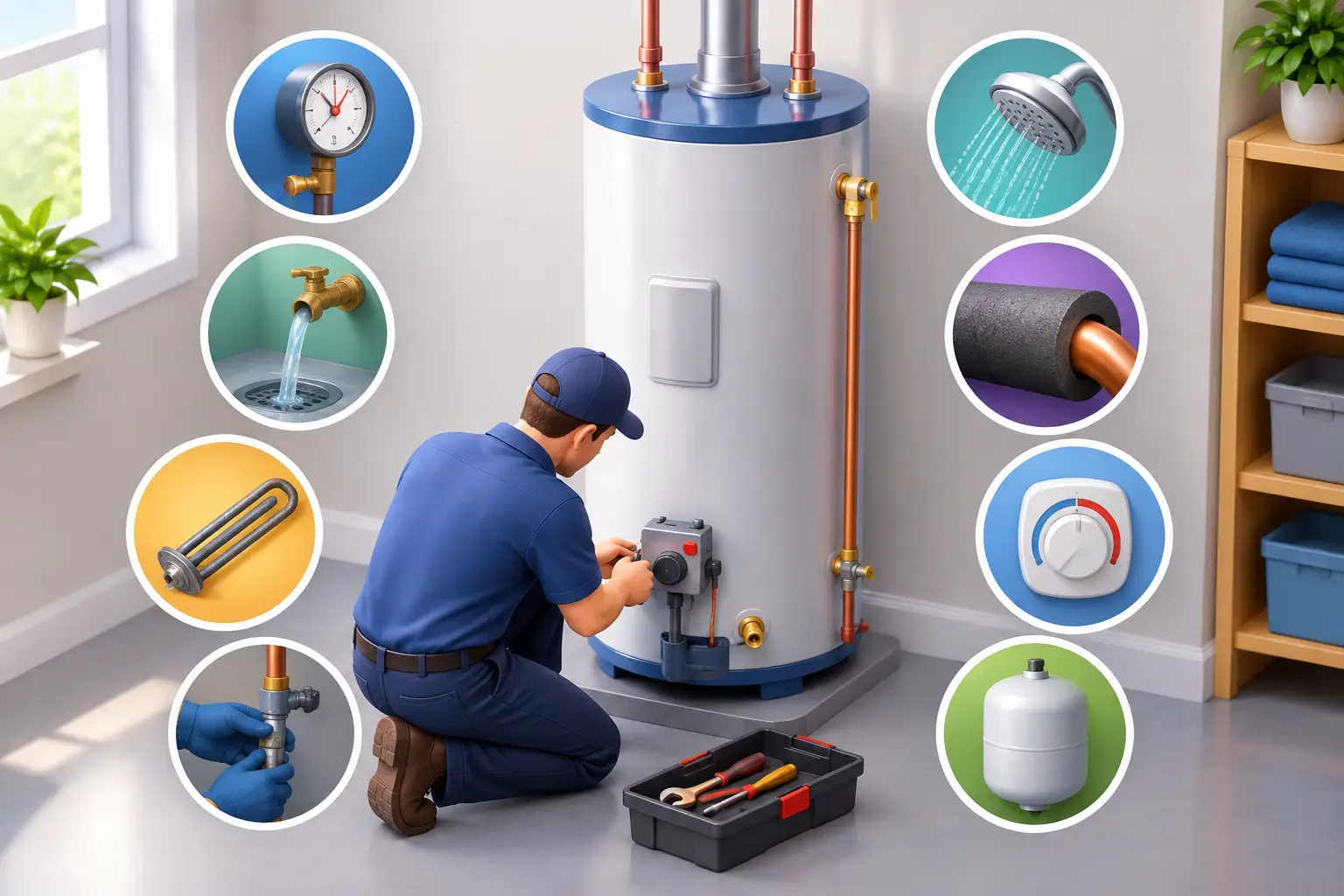
Knowing how to extend water heater lifespan starts with understanding what wears it down: sediment, internal corrosion, excessive pressure, neglected safety parts, and installation issues. The right maintenance routine depends on whether you have a conventional tank, a tankless unit, or a heat pump water heater, but a few habits make a meaningful difference for almost every system.
How to extend water heater lifespan with routine care
Most conventional tank water heaters last roughly 8 to 12 years, though maintenance, water conditions, usage, and installation quality can move that range in either direction. Tankless water heaters can often operate longer, but they also need regular descaling and service. The goal is not to keep failing equipment alive indefinitely. It is to prevent avoidable wear and replace the unit before a leak or breakdown creates a larger problem.
1. Keep the temperature at a sensible setting
For many households, 49°C (120°F) is an effective water heater setting. It reduces standby heat loss and limits mineral buildup while helping reduce the risk of scalding. Some homes may require a higher storage temperature for health or system-design reasons, particularly where a mixing valve is installed. In those cases, a technician can confirm that the setup is safe and appropriate.
Setting the temperature too high puts more stress on the tank, valves, and internal components. It can also increase energy use. If your hot water is suddenly much hotter or cooler than usual, do not simply keep turning the dial. The thermostat, heating element, gas control, or mixing valve may need attention.
2. Flush sediment from a tank water heater
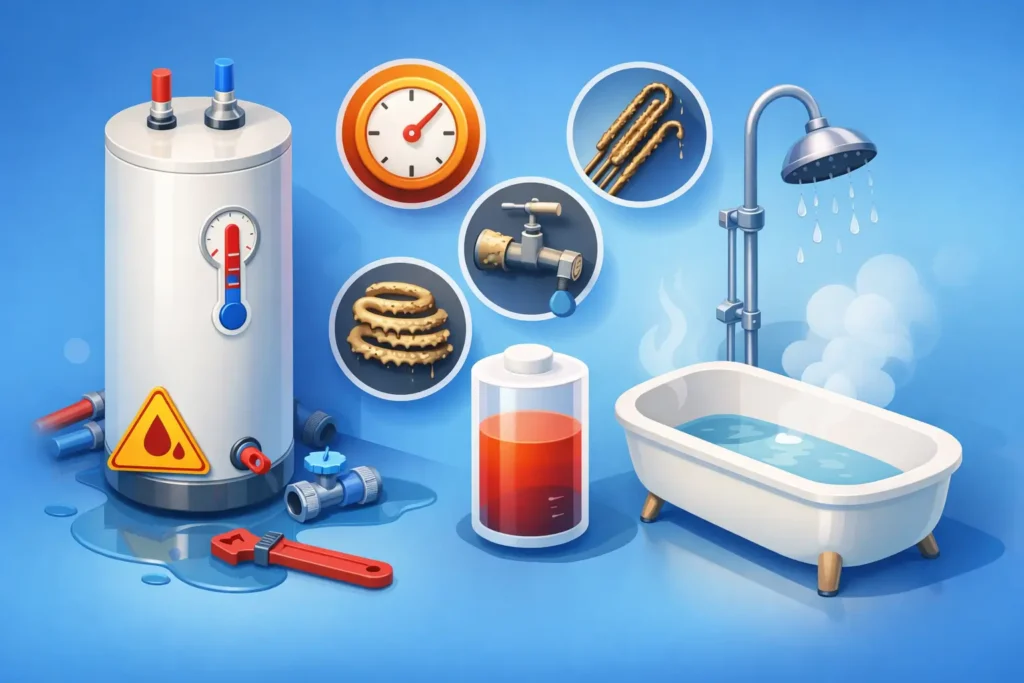
Sediment is one of the most common causes of shortened tank water heater life. Minerals and fine particles settle at the bottom of the tank, where they form an insulating layer between the burner or heating elements and the water. The unit then has to work harder to heat water, which can increase energy costs and create popping or rumbling sounds.
A partial flush once a year is a reasonable starting point for many homes. In areas with harder water, or in homes with heavy hot-water use, more frequent flushing may be worthwhile. The process involves shutting off the energy source, connecting a hose to the drain valve, and draining water safely. Because hot water, gas appliances, electrical connections, and older drain valves can all present risks, many homeowners prefer to have this done during professional maintenance.
If a tank has gone many years without flushing, aggressive draining can occasionally disturb heavy buildup or reveal a weak drain valve. That does not mean maintenance caused the issue. It usually means the component was already nearing the end of its service life. A technician can assess the condition before proceeding.
3. Check the anode rod before corrosion takes over
Inside most tank water heaters is an anode rod, often called a sacrificial anode. Its job is to corrode before the steel tank does. Once that rod is depleted, the tank itself becomes more vulnerable to rust and pinhole leaks.
An anode rod should generally be inspected after the first few years of operation and then checked periodically. Homes with softened water, well water, or particularly challenging water chemistry may need closer attention. Replacing a worn anode rod can be one of the most cost-effective ways to extend the useful life of a tank, provided the tank has not already begun to leak or corrode.
This is not usually a quick DIY task. The rod can be difficult to remove, especially on an older unit, and clearance above the heater may be limited. A certified technician can determine whether replacement makes financial sense and install the correct type of rod for the equipment.
4. Test the temperature and pressure relief valve
The temperature and pressure relief valve is a critical safety device. It opens if pressure or temperature inside the tank becomes too high. A valve that is stuck, leaking continuously, or blocked should be addressed promptly.
Testing should be done carefully and only when the discharge pipe is correctly installed and directed to a safe location. Briefly lifting the test lever should allow water to flow through the discharge line. If it does not operate, does not reseat, or continues dripping afterward, arrange service rather than capping, plugging, or ignoring it.
A leaking relief valve does not always mean the valve itself is defective. Excess pressure from a closed plumbing system may point to a missing or failed thermal expansion tank. Identifying the cause matters, because replacing only the valve may not solve the underlying issue.
5. Watch for small leaks and moisture around the unit
A small amount of moisture can become a major problem quickly. Check around the top connections, shutoff valves, drain valve, relief valve discharge line, and base of the heater. Corrosion on fittings, damp insulation, or rust-coloured streaks are all worth investigating.
Condensation can occur on a gas water heater in some conditions, particularly when cold water enters a warm tank. But persistent pooling is not normal. Water at the bottom of the tank can indicate an internal leak, which cannot be repaired safely or reliably. Prompt assessment helps you plan a replacement before the tank ruptures.
6. Maintain proper venting and combustion air for gas units
Gas water heaters need correct venting, a stable flame, and sufficient combustion air. Do not store paint, gasoline, cleaners, or other flammable products near the appliance. Keep the area accessible, clean, and free of clutter so a technician can inspect it properly.
Signs of a gas water heater problem include soot, a yellow or irregular burner flame, a pilot that will not stay lit, unusual smells, or exhaust moisture around vent connections. Turn off the appliance and arrange qualified service if you suspect a combustion or venting issue. Do not attempt to adjust gas controls or vent pipes yourself.
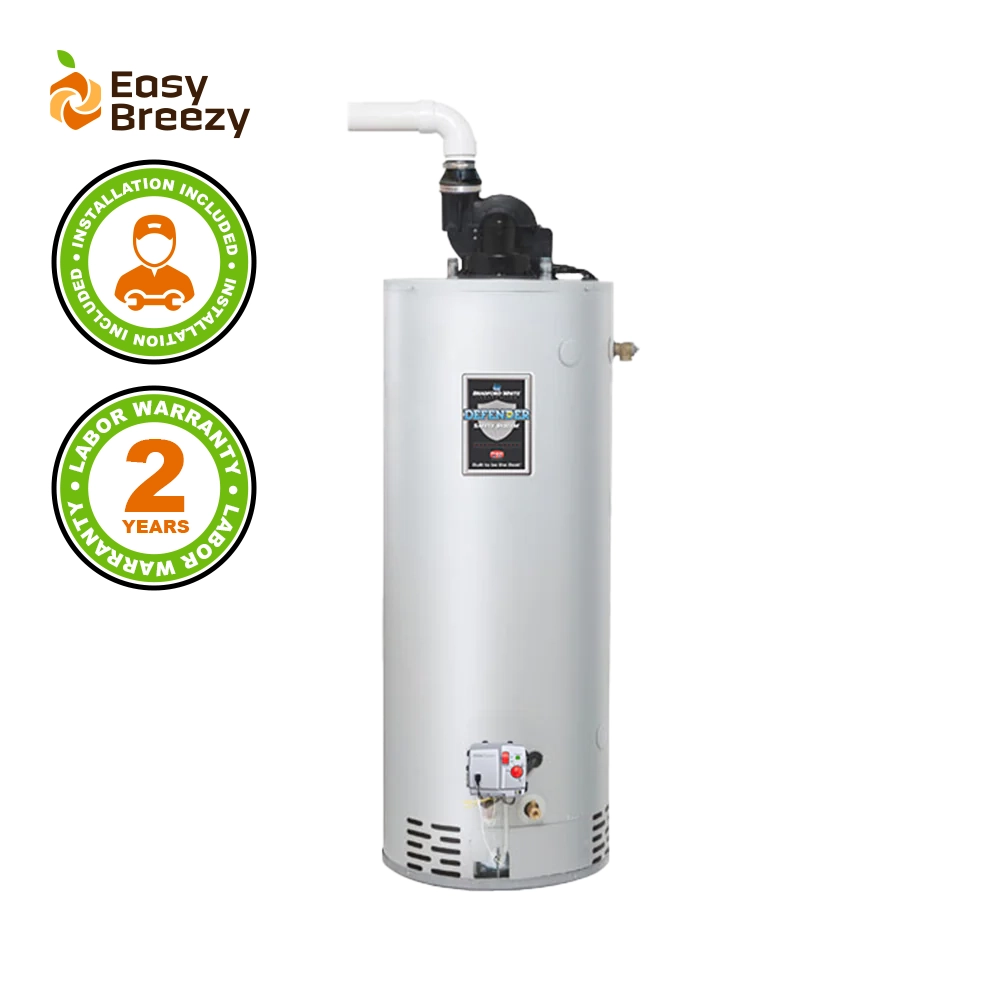
Power-vent water heaters have additional components, including a fan and venting system, that also require inspection. Their service needs are different from those of naturally vented units, so use maintenance guidance that matches your exact equipment.
7. Descale tankless and heat pump water heaters on schedule
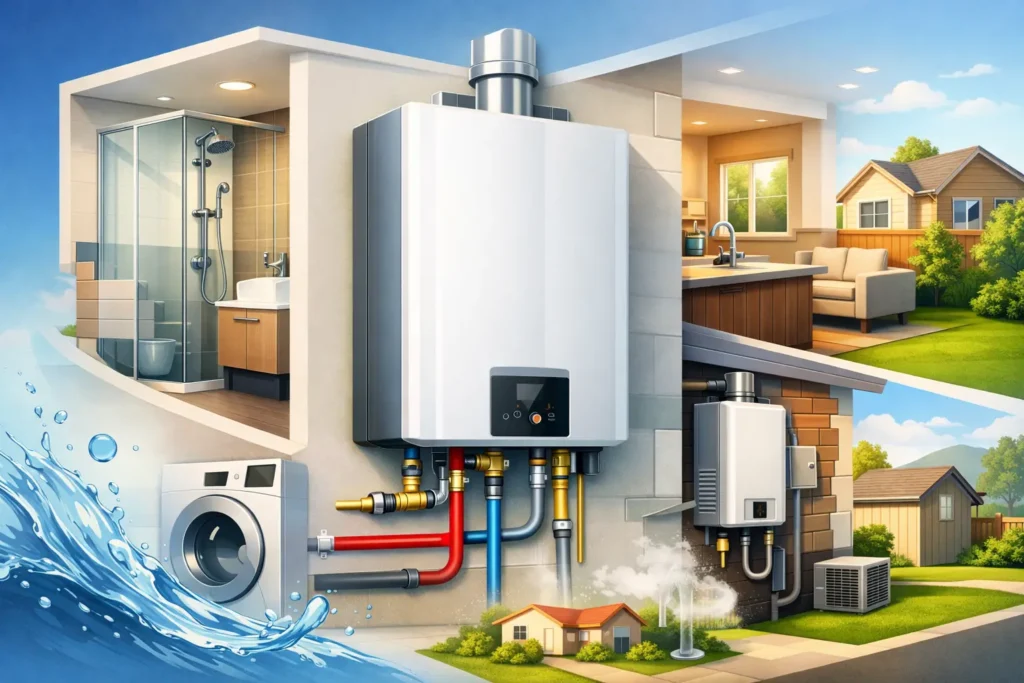
Tankless units do not store water in a steel tank, so they avoid tank corrosion. However, scale can build up inside the heat exchanger and restrict water flow. Annual descaling is commonly recommended, although the correct interval depends on water hardness, water usage, and the manufacturer’s instructions.
Signs a tankless heater may need service include fluctuating temperatures, reduced hot-water flow, error codes, or longer heating times. Cleaning the inlet filter and flushing the heat exchanger with the approved solution helps protect performance and efficiency.
Heat pump water heaters also benefit from regular attention. Their air filter needs cleaning, and the condensate drain must stay clear. Because these units pull heat from surrounding air, they require enough space and suitable room conditions to operate efficiently. A crowded utility room can reduce performance and make service harder.
8. Book professional maintenance before peak demand
The best time to inspect a water heater is before it becomes urgent. A professional maintenance visit can include checking for leaks and corrosion, reviewing venting or electrical connections, testing safety controls, inspecting the anode rod where applicable, and confirming that the unit is heating efficiently.
For landlords and property managers, scheduled maintenance also provides a clearer equipment record and makes budgeting easier. For homeowners, it offers a chance to discuss whether repairing an aging unit remains sensible or whether replacement would provide better reliability and operating costs.
When maintenance is no longer enough
Maintenance can slow normal wear, but it cannot reverse internal tank corrosion. If your water heater is approaching or beyond its expected age, producing rusty hot water, leaking from the tank body, or requiring repeated repairs, replacement may be the safer choice.
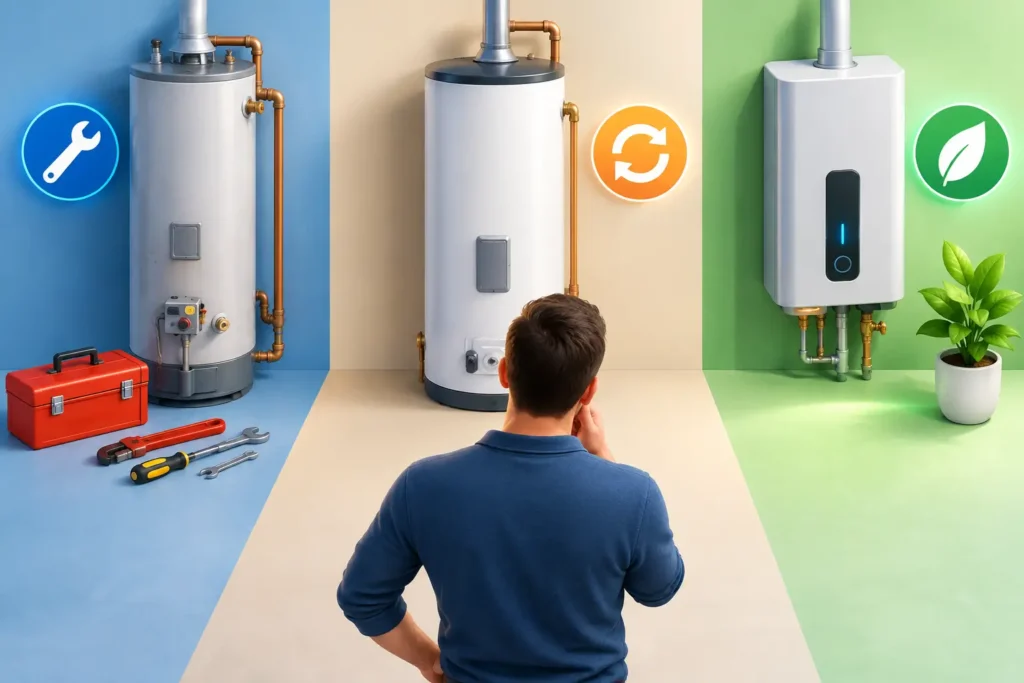
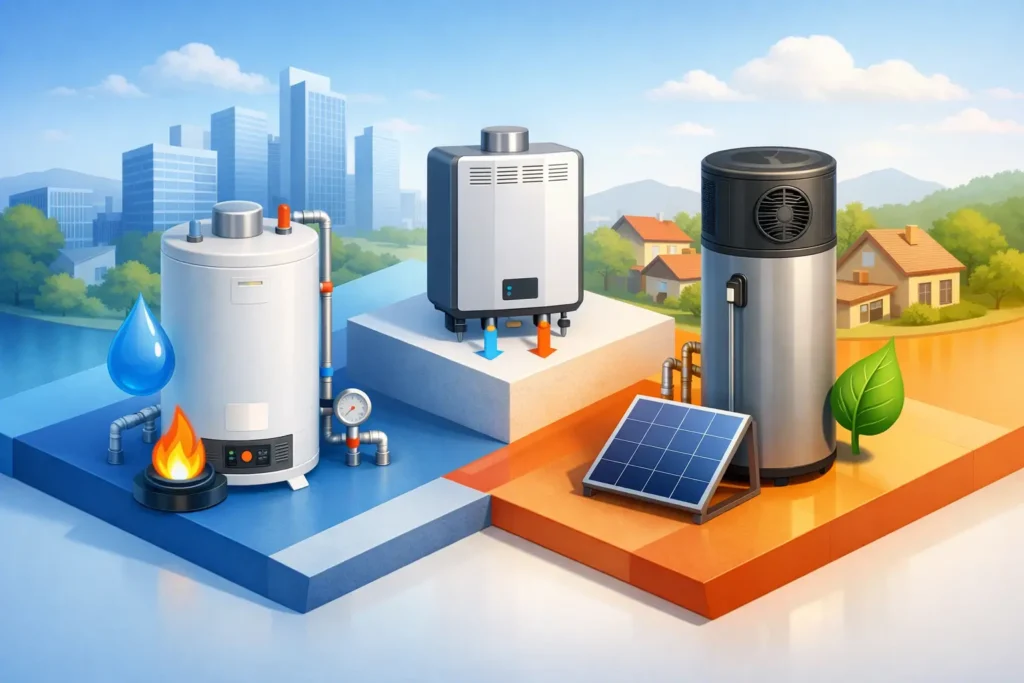
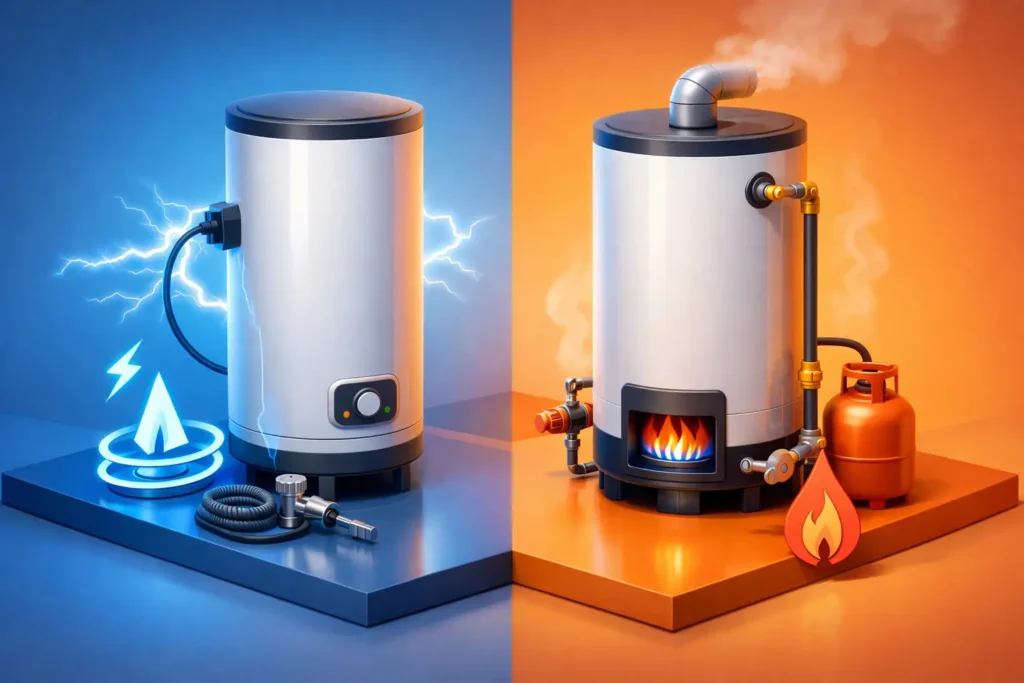
Consider the full picture rather than the lowest immediate repair cost. A new conventional, tankless, electric, heat pump, or power-vent water heater may offer different benefits depending on your household size, available fuel, venting, electrical capacity, and hot-water habits. The right choice is the one that fits the home and gives you dependable service without unnecessary complexity.
For homeowners in Toronto and the GTA, Easy Breezy HVAC can inspect an existing water heater, explain the condition clearly, and recommend practical next steps. A simple annual check today can help you avoid discovering a problem only after the morning shower turns cold.