From understanding what makes heat pumps tick to choosing the perfect size and efficiency, this resource will give you the knowledge to make an informed, confident decision. Along the way, you’ll find practical advice, insider tips, and answers to questions you may not even know you had!
Purchasing a heat pump can feel overwhelming, especially when faced with countless brands, technical jargon, and the pressure of ensuring your home stays comfortable year-round through long Canadian seasons. Whether upgrading an outdated system, replacing a broken one, or buying your first, this guide will take you step by step through the entire process.
Before diving into heat pumps, exploring the broader world of home heating and cooling systems is worth exploring. Each type serves different needs, so understanding them is crucial in deciding whether a heat pump is your best option.
Heat pumps are an energy-efficient game-changer for Canadian homes. They provide both heating and cooling by transferring heat rather than generating it, moving warmth into your home in winter and out in summer for year-round comfort.
Heat pumps provide year-round comfort by transferring heat instead of generating it. They extract heat from outdoor air or ground sources to warm your home efficiently.
At its core, a heat pump is an all-in-one system designed to heat and cool your home by moving thermal energy. Rather than creating heat through combustion, it extracts existing heat energy from outside air or ground and transfers it indoors.
Understanding how a heat pump operates can demystify its parts and help you troubleshoot issues in the future. Here’s a simplified breakdown:
To understand how your heat pump works—or when it might need repair—it helps to know the key parts:
Sets the temperature and controls the system.
Pumps refrigerant through the system to transfer thermal energy.
Absorb and release heat energy between indoor and outdoor air.
Switches refrigerant flow to change between heating and cooling.
Regulates refrigerant pressure and flow for maximum efficiency.
Remove dust and debris from the air, ensuring clean circulation.
Selecting the right heat pump involves understanding the pros and cons of each type. Let’s dive into the options:
Air-source heat pumps are the most popular choice for residential homes, transferring heat between outdoor and indoor air.
How They Work: They absorb heat from outdoor air during winter and transfer indoor heat outside during summer.
Geothermal heat pumps tap into constant underground temperatures to heat and cool your home.
Ductless mini-splits provide targeted heating and cooling directly to individual rooms without ductwork.
Multiple indoor wall units can affect interior aesthetics and cost more per zone.
Cold-climate heat pumps are specially engineered to maintain heating performance in severe Canadian winter temperatures down to -30°C.
A dual-fuel system is a hybrid heating setup that combines two complementary technologies: a heat pump and a furnace. This hybrid solution optimizes efficiency and comfort by intelligently switching between the heat pump and the furnace, depending on the outdoor temperature.
A dual-fuel system combines a heat pump with a high-efficiency furnace. The system automatically selects the most efficient energy source based on ambient outdoor temperature and heating demand.
The system uses the heat pump as the primary heating source. Heat pumps are highly efficient in moderate temperatures because they transfer heat from the outside air into your home rather than generating heat. This process consumes significantly less energy compared to traditional heating methods.
As outdoor temperatures fall below freezing, the system automatically engages the furnace to provide powerful backup heat. This seamless transition ensures your home stays warm and energy bills stay manageable no matter how cold it gets.
Heat pumps transfer heat rather than generating it, using significantly less energy. Unlike traditional furnaces, they provide efficient heating and cooling, resulting in noticeable energy bill savings.
Example: For every unit of electrical energy a heat pump consumes, it can transfer up to three times as much heat energy into your home, resulting in massive efficiency gains over traditional heating.
Modern heat pumps are designed to adapt to changing temperatures. Thanks to variable-speed compressors and cold-climate technology, they provide high-efficiency heating even when temperatures drop well below freezing, while still offering exceptional cooling in the summer.
Heat pumps are incredibly environmentally friendly because they use electricity to move heat rather than burning fossil fuels. By completely replacing a gas or oil furnace, a heat pump can drastically reduce your home's overall carbon emissions.
Heat pumps deliver a steady, consistent flow of conditioned air, eliminating the temperature swings and sudden blasts of hot air common with traditional furnaces. This ensures your home maintains an even, comfortable temperature year-round.
Since a heat pump serves as both your heating and cooling system, you only need to maintain one piece of equipment. This streamlines maintenance visits and reduces the complexity of your home's HVAC infrastructure.
The cost of a heat pump system depends on the size of your home, the efficiency rating, and the specific models chosen:
While the upfront investment may be higher than a traditional AC unit, the combination of lower utility bills, year-round utility, and available tax credits makes heat pumps incredibly cost-effective in the long run.
While square footage, climate, and insulation provide a general idea, a precise heat pump size requires a Manual J Load Calculation performed by a professional HVAC technician. This calculation evaluates your home’s heating and cooling needs based on specific factors, ensuring the heat pump perfectly matches your requirements.
This calculation ensures you won’t overspend on a heat pump that’s too large or suffer discomfort from one that’s too small.
Estimating your heat pump size using online calculators or simple rules of thumb can be tempting. Still, these methods often fail to account for critical factors like air leakage, ductwork efficiency, or your home’s unique layout. A professional HVAC technician uses sophisticated tools and calculations to determine the exact BTU requirements for your space, leaving no margin for error.
Choosing the right size heat pump for your home isn’t just a matter of convenience—it’s essential for energy efficiency, comfort, and the longevity of your HVAC system. The size of your heat pump determines how effectively it can condition your home, and getting it wrong can have costly consequences, such as short-cycling or inadequate heating and cooling.
Not all heat pump brands are created equal, and choosing the right one can make a big difference in reliability, performance, and customer support.

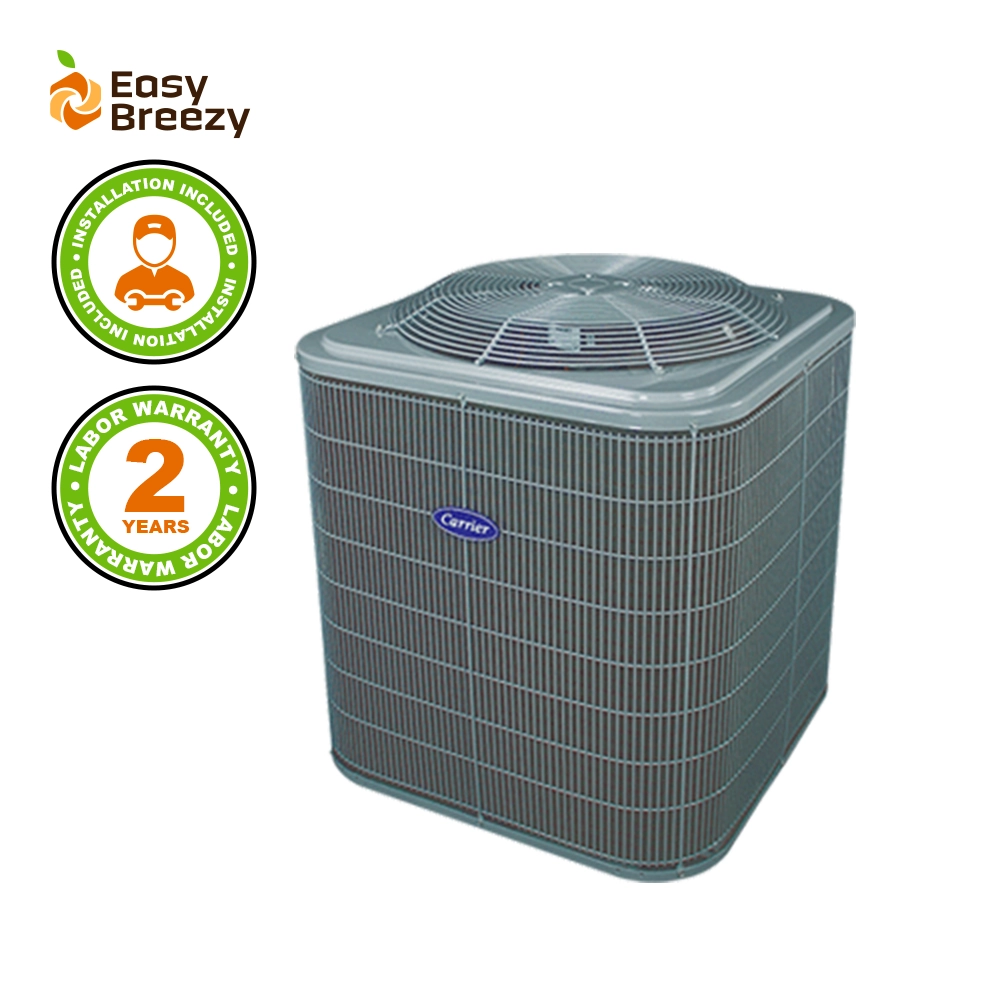
Established in 1915 in the United States, Carrier is a leader in air conditioning and HVAC technology. Its extensive product line includes residential, commercial, and industrial HVAC systems, recognized for cutting-edge innovation and energy efficiency. Carrier heat pumps feature a 10-year warranty on covered parts and exceptional SEER2 and HSPF2 ratings for year-round savings.

Founded in 1895 in the United States, Lennox has built a strong reputation for manufacturing premium HVAC systems. Its offerings include air conditioners, furnaces, and heat pumps designed for high energy efficiency and quiet operation. Lennox heat pumps often feature advanced variable-capacity compressors and come with a 5-10 year warranty on covered components.

Since its founding in 1975 in the United States, Goodman has been synonymous with affordable and dependable HVAC systems. The company’s product portfolio includes air conditioners, heat pumps, and furnaces, emphasizing durability and cost-effective performance. Goodman heat pumps often provide a 10-year warranty on covered parts and a lifetime or 10-year unit replacement limited warranty on select models.

With origins tracing back to the 1880s in the United States, American Standard delivers a comprehensive range of HVAC products. Known for their reliability, energy efficiency, and excellent warranties, American Standard heat pumps feature robust compressors, quiet operation, and a 10-year warranty on covered parts.

Bosch is a global leader in HVAC technology, offering advanced heat pump solutions known for energy efficiency and innovative features. Bosch heat pumps are designed to provide reliable, quiet operation while ensuring maximum comfort. Their product lineup includes highly efficient inverter-driven heat pumps with variable-speed capabilities and smart thermostat compatibility. Bosch heat pumps typically come with warranties of up to 10 years on parts, reflecting the brand’s commitment to long-lasting quality.
When evaluating heat pump brands, consider:
You may check out all the available products and buy some in the shop.
Continue Shopping