A cooling system replacement is rarely just about getting through the next heat wave. For GTA homeowners, the choice of heat pump versus air conditioning can affect winter heating costs, summer comfort, equipment lifespan, and the role your existing furnace plays in the home. The right answer depends on your house, your current equipment, and how you use energy – not on a one-size-fits-all sales pitch.
Heat Pump Versus Air Conditioning: The Main Difference
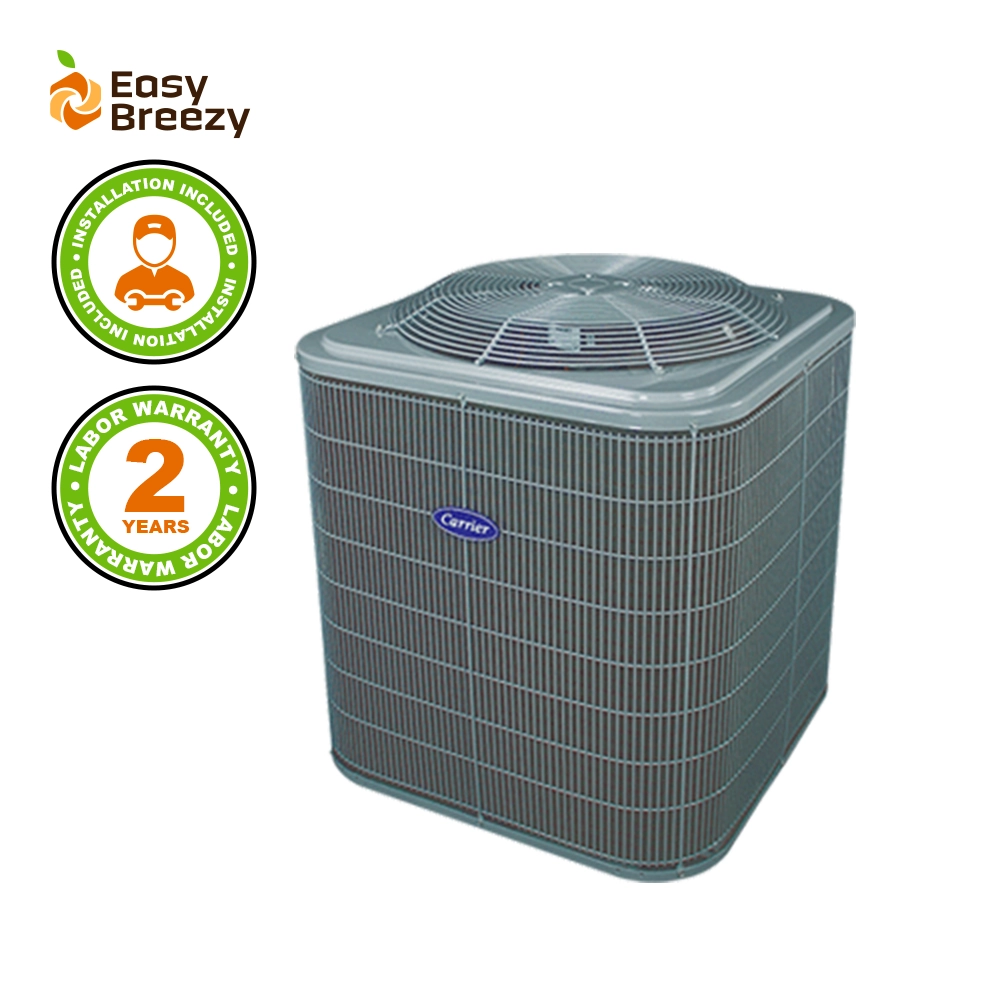
A central air conditioner has one job: it moves heat out of your home during warm weather. It works with your furnace blower and ductwork to distribute cooled, dehumidified air throughout the house. When temperatures drop, the furnace provides the heat.
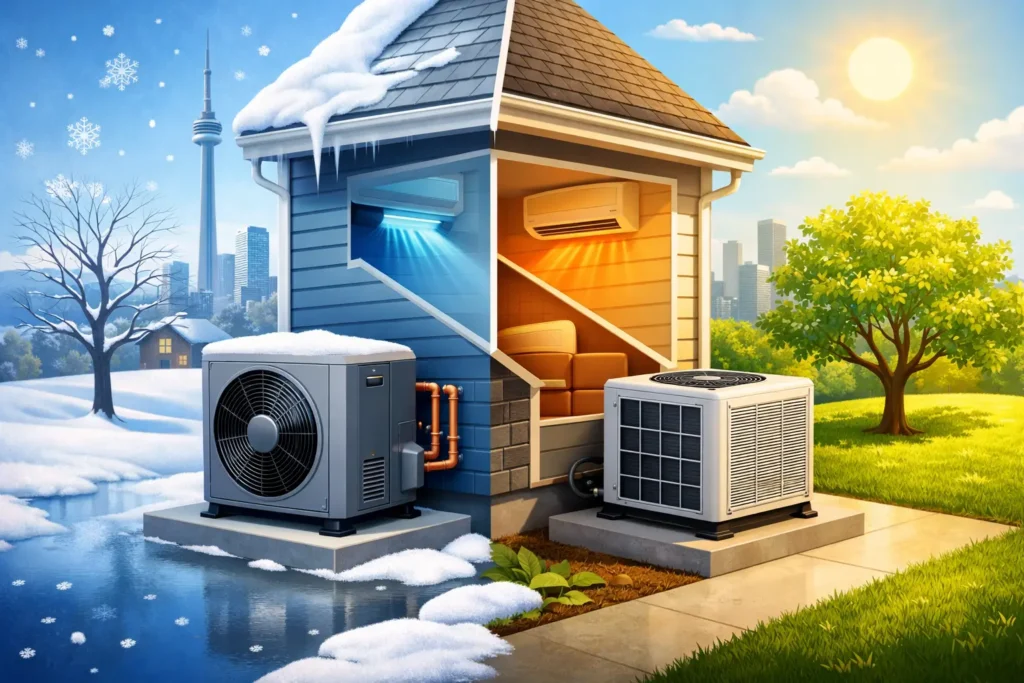
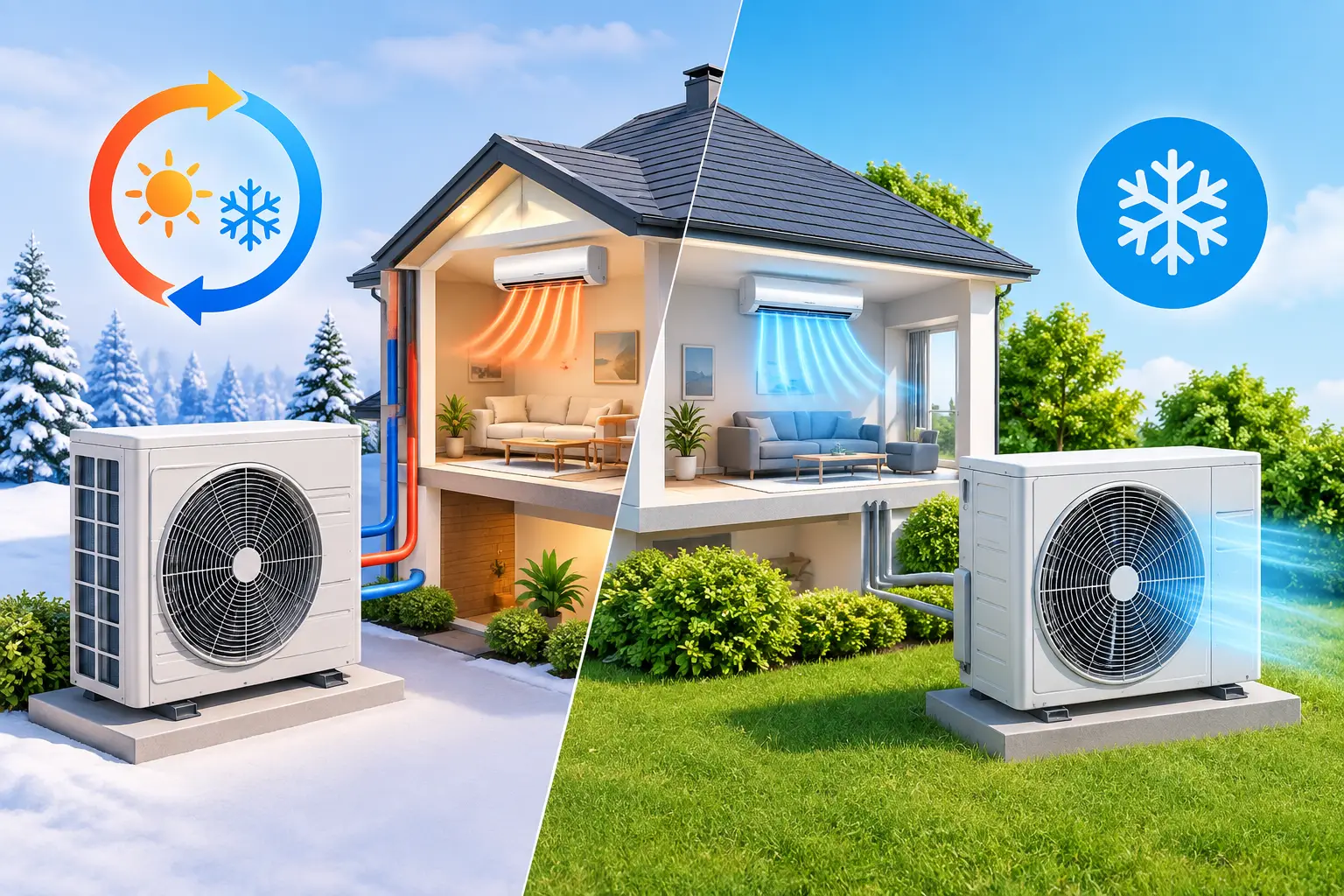
An air-source heat pump also cools your home in summer, using a process very similar to an air conditioner. The difference is that it can reverse that process in colder months. Rather than creating heat by burning fuel, it draws available heat from outdoor air and transfers it indoors.
That may sound surprising during a Toronto winter, but outdoor air still contains heat well below freezing. Modern cold-climate heat pumps can operate effectively in very low temperatures. Their heating capacity and efficiency do decline as it gets colder, though, which is why many GTA homes keep a gas furnace as a backup or supplemental heat source.
In simple terms, an air conditioner is cooling-only equipment. A heat pump is an air conditioner that can also provide heating.
How Each System Handles Summer Comfort
For summer cooling, both systems can deliver excellent results when they are sized and installed correctly. Each removes heat from the home and helps reduce indoor humidity. Neither automatically fixes uneven temperatures, weak airflow, or hot upstairs bedrooms caused by ductwork restrictions, poor insulation, or an incorrectly sized system.
A heat pump is not inherently less capable than an air conditioner during a humid Ontario summer. What matters is the model’s efficiency rating, its capacity, the condition of the indoor coil, and whether the equipment is matched properly with your furnace or air handler.
Oversizing is a common concern. An oversized system may cool the house too quickly, shutting off before it has removed enough moisture from the air. The result can be a cool but clammy home, more frequent cycling, and unnecessary wear. A proper load calculation considers square footage, insulation, windows, sun exposure, ceiling height, and the home’s layout rather than relying only on the size of the old unit.
Winter Performance in Toronto and the GTA
This is where the decision becomes more specific. A heat pump can cover a meaningful portion of a home’s heating needs through fall, spring, and many winter days. Because it moves heat instead of generating it directly, it can provide more heat energy than the electricity it consumes under the right outdoor conditions.
During a deep cold snap, however, a heat pump may produce less heat and use more electricity to maintain indoor temperatures. Many homeowners choose a dual-fuel setup: a heat pump handles cooling and milder-weather heating, while a high-efficiency gas furnace takes over when outdoor temperatures reach a selected balance point.
The balance point is not identical for every home. It is influenced by local electricity and gas rates, the heat pump model, thermostat controls, insulation levels, and personal comfort preferences. A certified technician should explain how the system will switch between heat pump and furnace operation before installation.
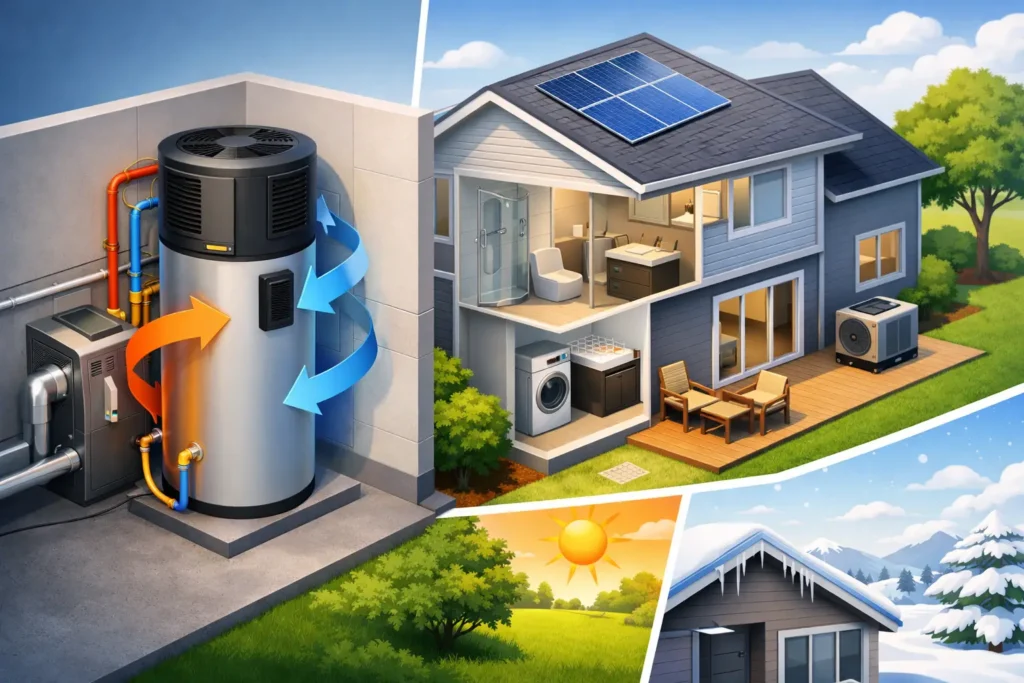
A heat pump can also be installed as the only heating source in some homes, especially where there is no natural gas service or where an owner wants to reduce reliance on fossil fuels. That approach needs careful equipment selection, electrical planning, and realistic expectations about cold-weather operation.
Upfront Cost and Long-Term Operating Cost
A standard central air conditioner usually has a lower equipment and installation cost than a comparable heat pump. If your furnace is in good condition and you only need cooling, an air conditioner can be the practical, cost-conscious replacement.
A heat pump generally costs more upfront because it includes the components and controls needed to heat as well as cool. Its value comes from offsetting some furnace use during the heating season. Whether those savings outweigh the added purchase cost depends on your utility rates, how long you expect to own the home, and how efficiently your current furnace operates.
It is also worth looking beyond the equipment price. Installation should include the outdoor unit, indoor coil or air handler connection, refrigerant line work, electrical requirements, condensate drainage, start-up, testing, and any necessary permits. A low initial quote can become less attractive if essential work is excluded or unclear.
For property owners comparing options, ask for the full installed price and a clear explanation of what is included. You should also ask whether the quoted heat pump is designed for cold-climate heating and how it will work with the equipment already in your home.
When Air Conditioning Is the Better Choice
A conventional air conditioner is often the better fit when your main goal is dependable summer cooling and your existing gas furnace is relatively new, efficient, and meeting your heating needs. It is also a sensible choice for homeowners who prefer the lower upfront cost or do not expect to stay in the property long enough to benefit from potential heating-energy savings.
An air conditioner can be particularly straightforward when the existing ductwork, electrical service, and furnace are all in good shape. You retain a familiar setup: the furnace heats in winter, and the AC cools in summer.
That does not make it the automatic choice. If the furnace is nearing the end of its service life, replacing only the air conditioner may leave you making another major equipment decision sooner than expected.
When a Heat Pump Makes More Sense
A heat pump deserves serious consideration if you want one outdoor system for both cooling and a portion of your heating needs. It can be a strong option for homes with an aging furnace, households seeking lower gas consumption, and owners planning to stay in the home for several years.
It is also useful for homes that experience chilly spring and fall days when running a full gas furnace feels excessive. A heat pump can provide steady, lower-temperature heat during those shoulder seasons, often improving comfort without the frequent temperature swings some homeowners notice with oversized furnaces.
For homes with a newer gas furnace, a dual-fuel arrangement can offer flexibility rather than forcing an all-or-nothing decision. The heat pump handles the conditions where it performs efficiently, and the furnace remains available for colder weather and backup heat.
Installation Details That Affect Results
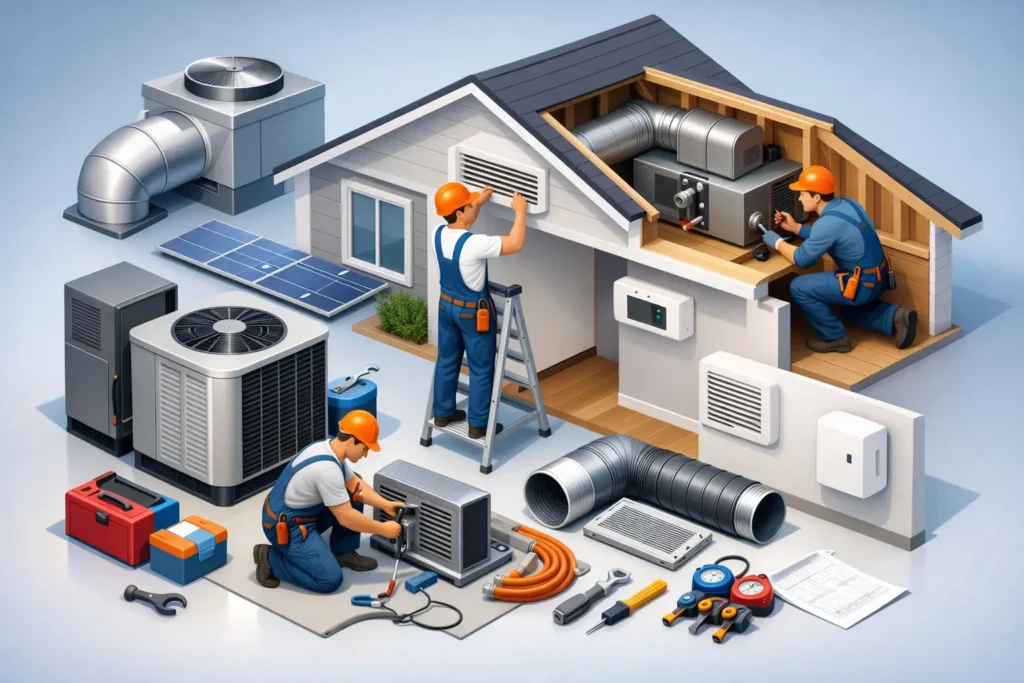
The equipment label is only part of the purchase. Even a high-quality heat pump or air conditioner can underperform if it is poorly sized, improperly charged with refrigerant, connected to unsuitable ductwork, or paired with an incompatible indoor coil.
Before recommending either option, an HVAC professional should review the age and condition of the furnace, available electrical capacity, ductwork airflow, thermostat compatibility, drainage, and outdoor-unit location. Outdoor placement matters in winter because snow, ice, roof runoff, and restricted airflow can affect heat pump operation.
For a heat pump, controls deserve extra attention. The thermostat must be set up to manage staging and any furnace backup properly. Without correct commissioning, the system may switch to more expensive backup heat too early or fail to deliver the comfort expected from the equipment.
Make the Decision Based on Your Home
The best choice is not always the unit with the highest efficiency rating or the lowest sticker price. It is the system that fits your home’s heating needs, cooling load, existing equipment, and budget with no surprises hidden in the installation scope.
If you are replacing an older AC unit in Toronto or the GTA, start by asking for a clear assessment of your current furnace, ductwork, and electrical setup. Easy Breezy HVAC can explain the practical difference between an air conditioner, a heat pump, and a dual-fuel system before you commit. A direct conversation and a properly sized recommendation can make the next hot summer and the next cold winter much easier to manage.