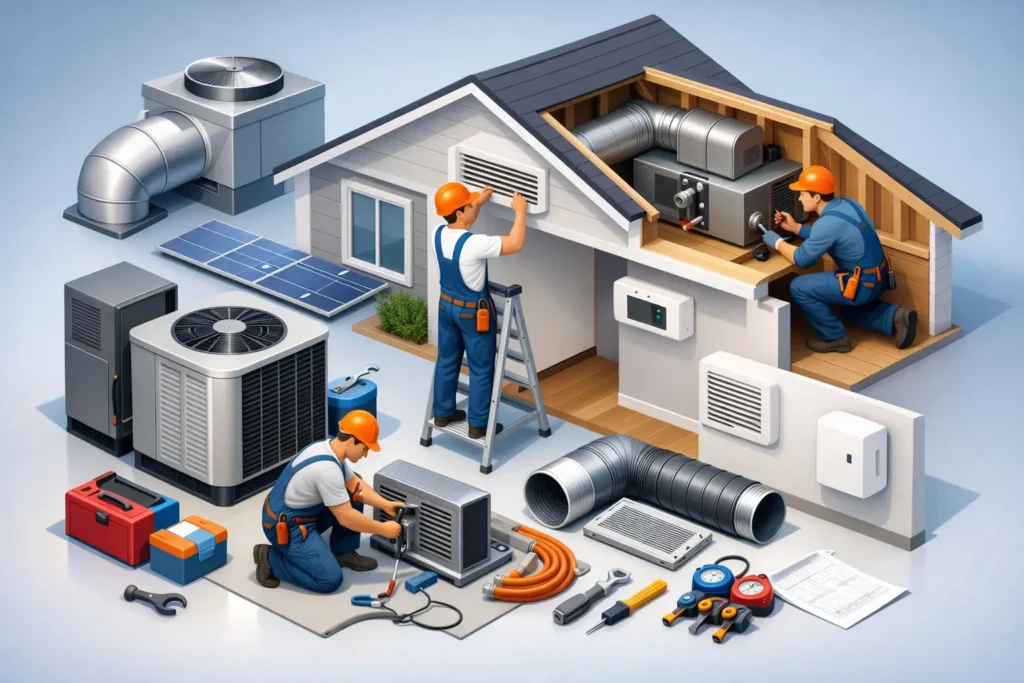

A furnace that is nearing the end of its life changes the conversation quickly. Instead of simply choosing the next gas model, many homeowners are now asking whether a heat pump, electric water heater, or hybrid setup will better suit their home. Home electrification HVAC trends are creating more options, but the right choice still depends on your house, your budget, and how you use your heating and hot water.
For GTA homeowners, electrification is not an all-or-nothing decision. A practical upgrade can mean replacing an air conditioner with a cold-climate heat pump while keeping a newer gas furnace. In another home, it may mean installing a heat pump water heater when an older tank fails. The best plan starts with the equipment that needs replacement now and the work required to make that upgrade perform properly.
Why Home Electrification HVAC Trends Are Growing
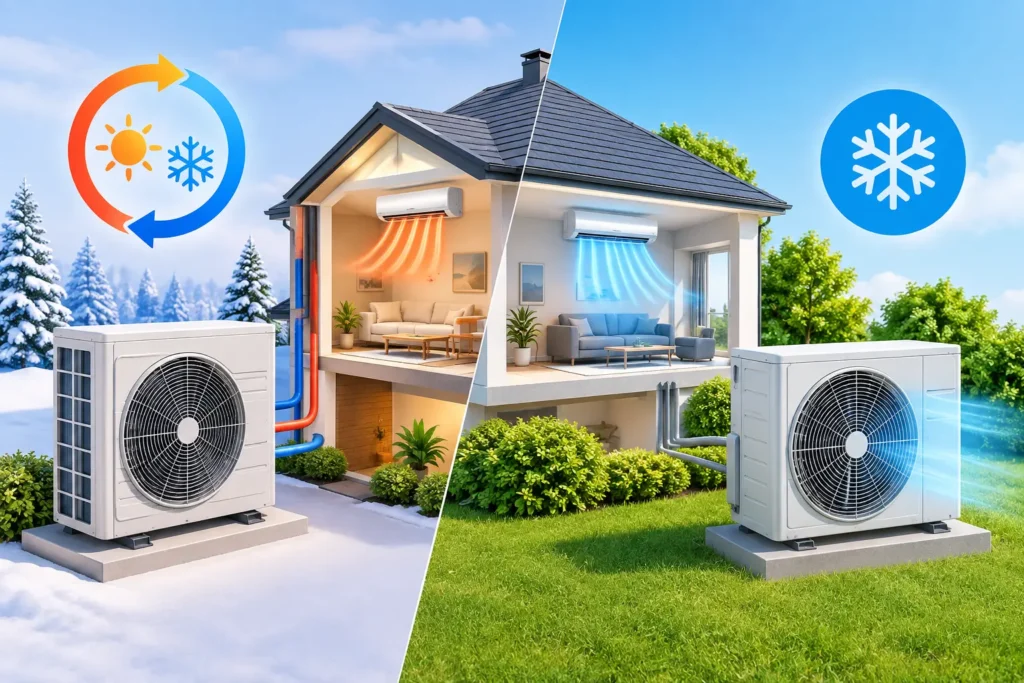
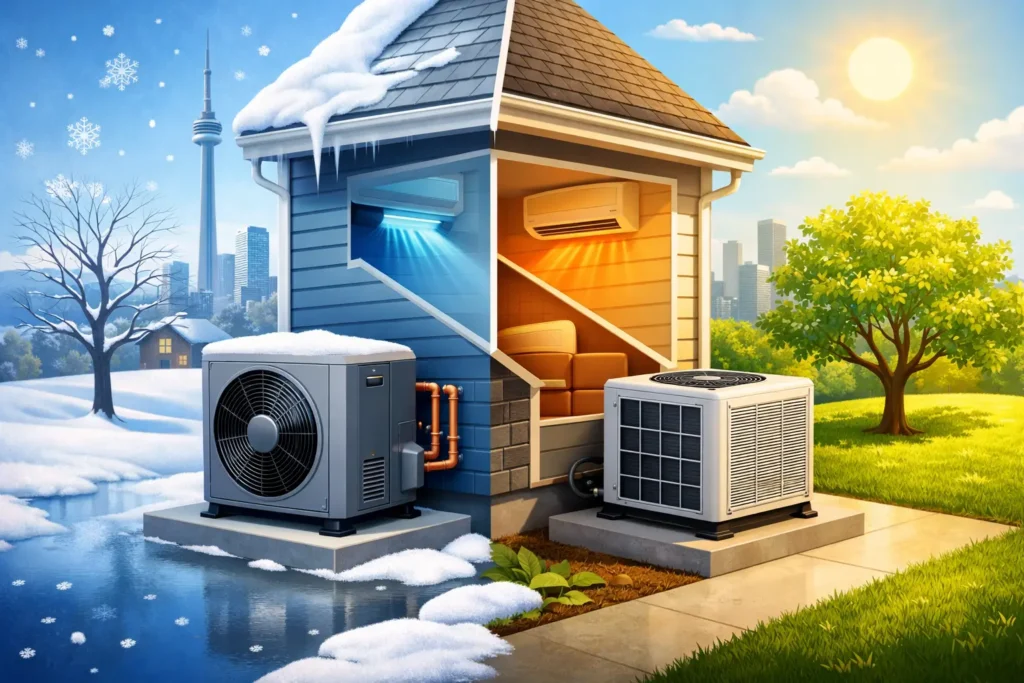
Electric HVAC equipment is getting more attention for a simple reason: it can provide heating, cooling, and hot water without relying entirely on combustion equipment inside the home. Heat pumps move heat rather than create it by burning fuel. During summer, they work much like an air conditioner. During colder months, they draw available heat from outdoor air and bring it indoors.
Modern cold-climate heat pumps have made this option more realistic through Toronto winters than older systems were. They are designed to operate at lower outdoor temperatures, although their heating capacity and efficiency still change as temperatures fall. That is why equipment selection and installation design matter more than a broad claim that a heat pump works everywhere.
Homeowners are also weighing energy costs, future fuel choices, equipment incentives when available, and indoor air quality. The goal is usually not to follow a trend. It is to avoid replacing a failed system with the same setup by default when another option may offer better year-round comfort.
Heat Pumps Are Moving From Alternative to Mainstream
The heat pump is the most visible part of home electrification. It can replace a central air conditioner and supplement or replace a furnace, depending on the system design.
Heat pump with a gas furnace
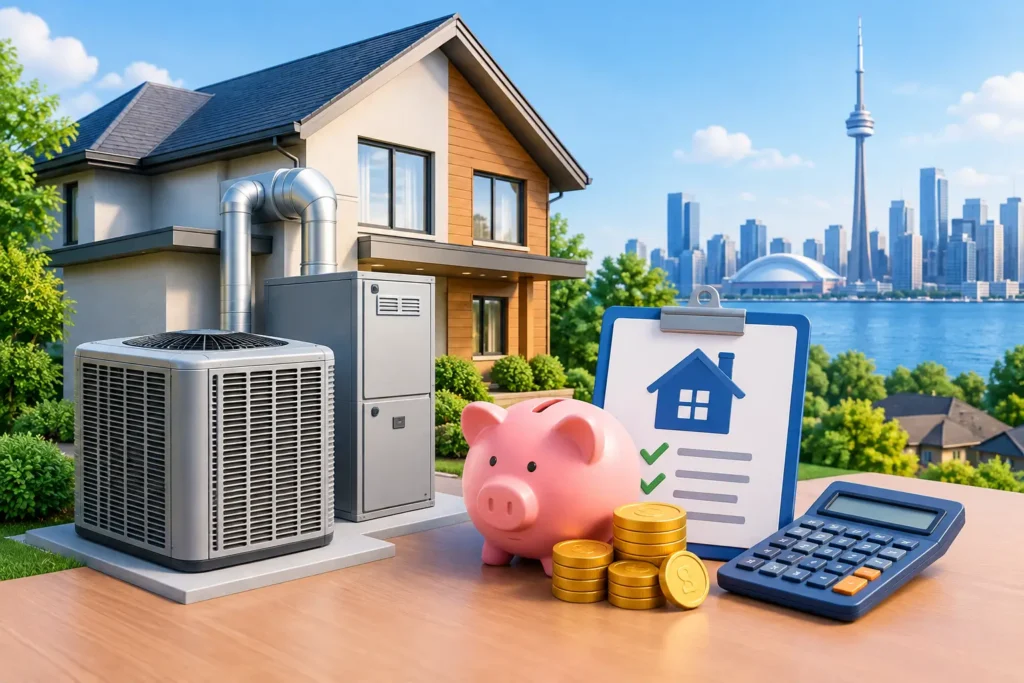
For many existing GTA homes, a dual-fuel system is a sensible middle ground. A heat pump handles cooling and much of the heating season. The gas furnace operates during colder periods or when it is more cost-effective based on the controls and local energy pricing.
This approach can work especially well when the existing furnace is relatively new, correctly sized, and paired with usable ductwork. It allows homeowners to add electric heating capacity without replacing every component at once. It also provides dependable backup heat during severe winter weather.
The trade-off is that the home still uses gas, and the controls must be installed correctly. A poorly configured dual-fuel system can switch heat sources at the wrong time, reducing the savings a homeowner expected.
All-electric ducted heat pumps
An all-electric central heat pump can be an excellent fit for a well-insulated home with properly sized ducts and sufficient electrical capacity. The system must be selected using a real heat-loss calculation, not just the capacity of the old furnace.
Oversizing can lead to short cycling and uneven comfort. Undersizing may leave the home relying too heavily on electric backup heat during cold weather. Certified technicians should assess insulation, windows, air leakage, duct condition, and the home’s heating load before recommending a model.
Ductless and multi-zone systems
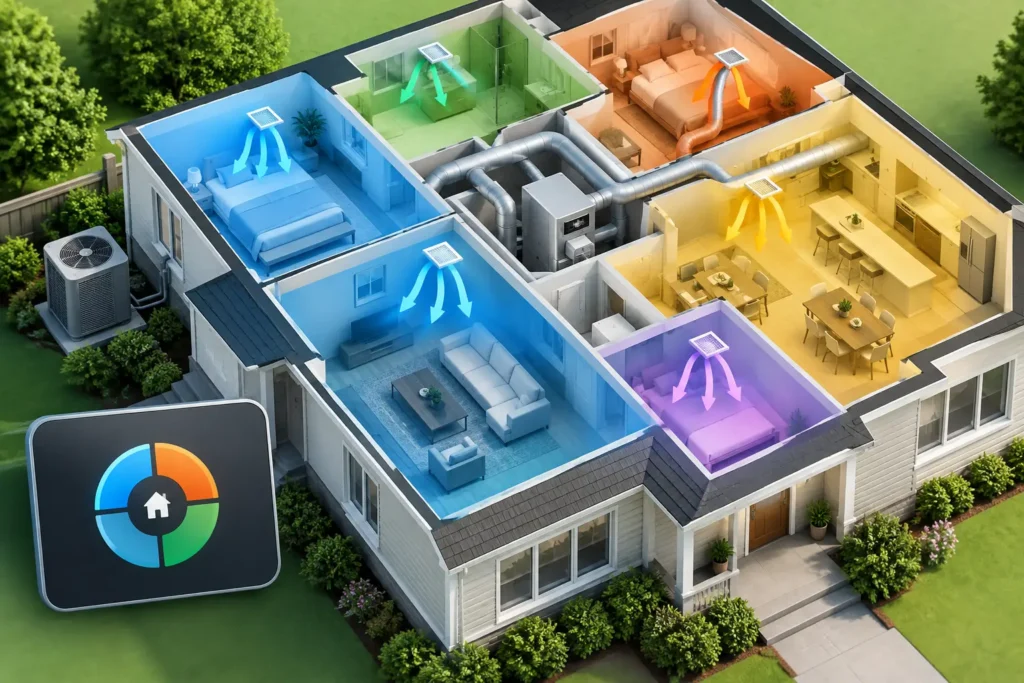
Ductless heat pumps are another important part of current HVAC trends. They are useful for additions, converted basements, homes without central ductwork, and rooms that never seem to stay comfortable. A multi-zone system can serve several areas, but it is not automatically the best answer for every whole-home installation.
The indoor unit locations, outdoor unit capacity, and room-by-room loads need to be planned carefully. A ductless unit in the wrong place may heat one area very well while leaving nearby rooms cooler than expected.
Water Heating Is Becoming Part of the Plan
Home electrification is not limited to space heating. Water heating is often one of the largest energy uses in a home, which is why heat pump water heaters and electric tanks are receiving more attention.
A standard electric water heater is straightforward and can be a practical replacement where gas venting is difficult or where a homeowner wants to remove a gas-fired tank. It does, however, use electric resistance elements to heat water, which can increase electricity consumption compared with a heat pump water heater.
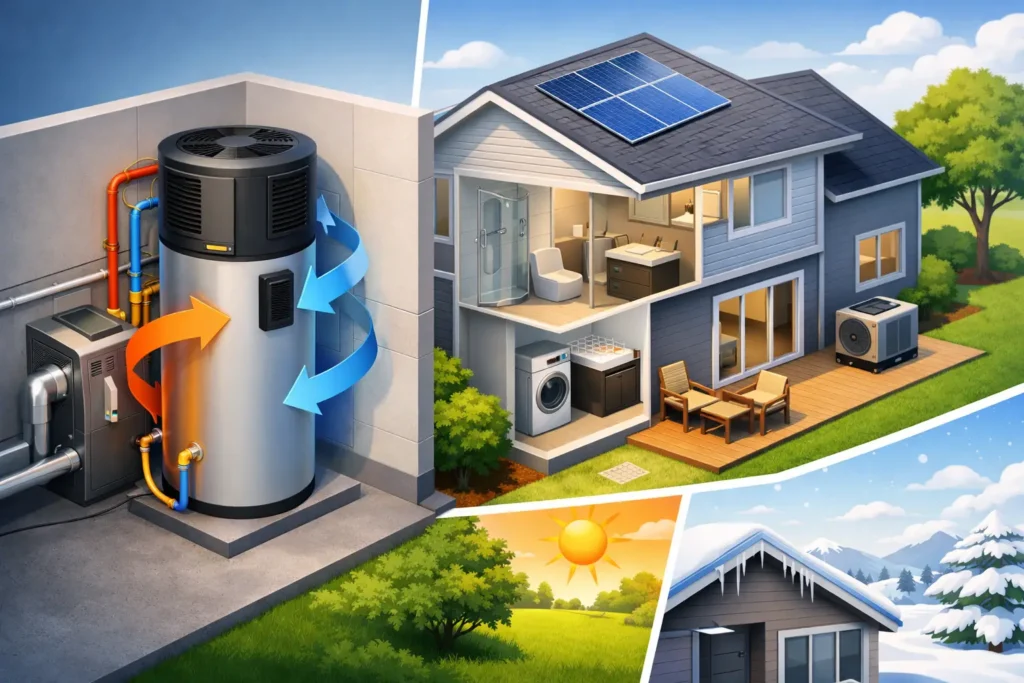
A heat pump water heater pulls heat from the surrounding air to warm stored water. It typically uses less electricity than a conventional electric tank, but it has installation requirements. It needs enough surrounding air volume, produces some cool and dry air, and may create a modest amount of operational noise. A large unfinished basement can be a good location. A small enclosed utility closet may not be.
For households with high hot-water demand, tank size and recovery time deserve close attention. A family with several morning showers, laundry, and dishwasher use should not choose a water heater based on efficiency ratings alone. Available hot water when the household needs it remains the first priority.
The Electrical Panel Question
Before switching major heating or water-heating equipment to electric, homeowners should understand their electrical capacity. Not every home needs a panel upgrade, but it should never be assumed that there is enough room for a heat pump, electric backup heat, water heater, electric vehicle charger, and future loads.
An electrician can calculate the home’s electrical load and confirm whether the existing service can support planned equipment. In some cases, the solution is a panel upgrade. In others, load management equipment or a staged approach is more practical.
This is one reason full electrification can cost more than the price of the HVAC equipment alone. The visible unit price matters, but so do electrical work, duct modifications, condensate drainage, outdoor-unit placement, permits, and removal of old equipment. Clear installation pricing should explain what is included and identify site-specific work before installation begins.
What Still Makes Gas a Reasonable Choice?
Electrification is growing, but gas equipment is not automatically the wrong choice. A high-efficiency gas furnace can still be a reliable option for homes with an aging furnace, challenging ductwork, limited electrical capacity, or a need for high-output heating at a lower upfront cost.
Likewise, a tankless water heater may remain a strong fit for homes that want continuous hot water and already have suitable gas supply and venting. The right recommendation should account for the condition of the current system, expected length of ownership, household comfort needs, and the budget available for related upgrades.
A homeowner replacing a failed furnace in January may reasonably choose a dependable furnace now and plan an air conditioner-to-heat-pump upgrade later. A homeowner renovating a home may find it more cost-effective to coordinate electrical, insulation, and HVAC changes at the same time.
How to Plan an Electrification Upgrade Without Guesswork
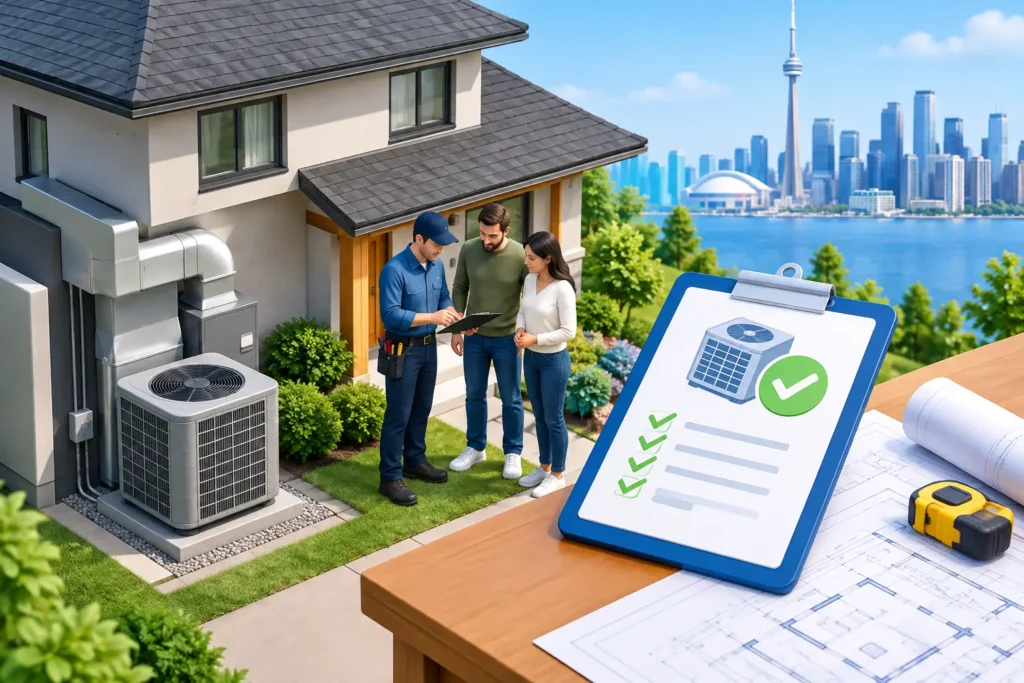
Start with an assessment of the equipment you have today. Note its age, repair history, comfort issues, energy use, and whether your ducts, electrical panel, and gas lines are in good condition. Then focus on the next replacement, not every possible future upgrade at once.
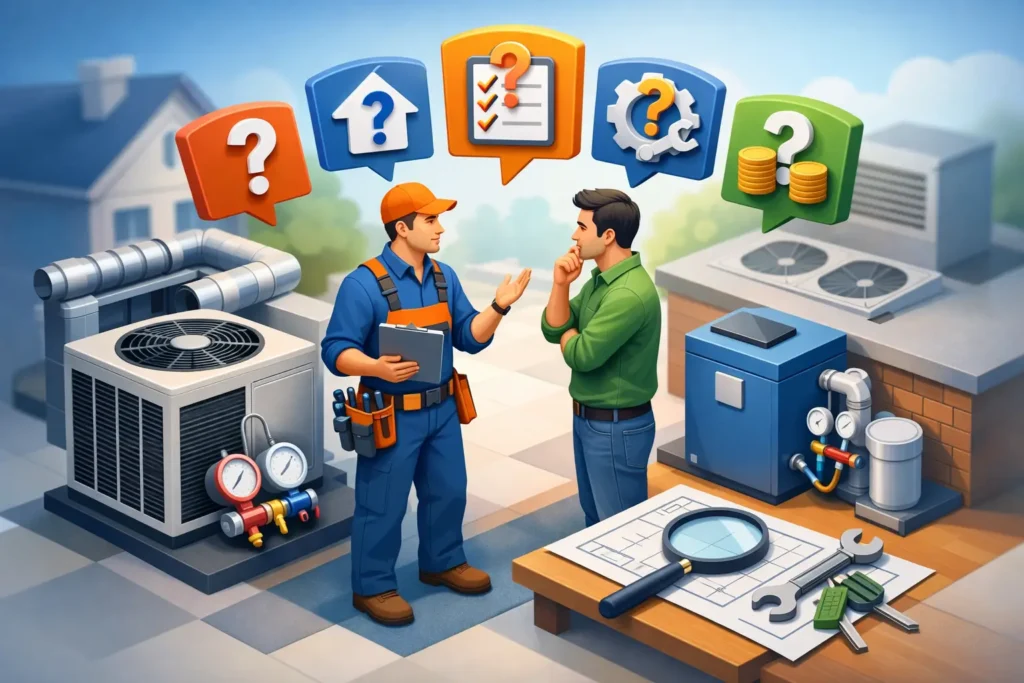
Ask for recommendations based on a heat-loss calculation and an on-site review. You should understand the proposed equipment size, expected role of backup heat, thermostat controls, electrical requirements, and any work outside the quoted equipment installation. If incentives are part of the decision, confirm the current eligibility requirements before signing an agreement, since program rules and funding can change.
For homeowners in Toronto and the GTA, a properly planned heat pump or water-heating upgrade can improve comfort while creating a sensible path toward lower gas use. The right system is the one that keeps your home comfortable on the coldest morning, delivers hot water when your family needs it, and comes with clear answers before the work begins.