A shower turning cold halfway through is more than an inconvenience, especially when a busy Toronto household is getting ready for work or school. If you are asking, why does water heater run out fast, the answer may be as simple as increased demand or as serious as a failed heating component. The key is identifying whether your system is producing less hot water than it should, storing less than it used to, or losing heat before the water reaches the tap.
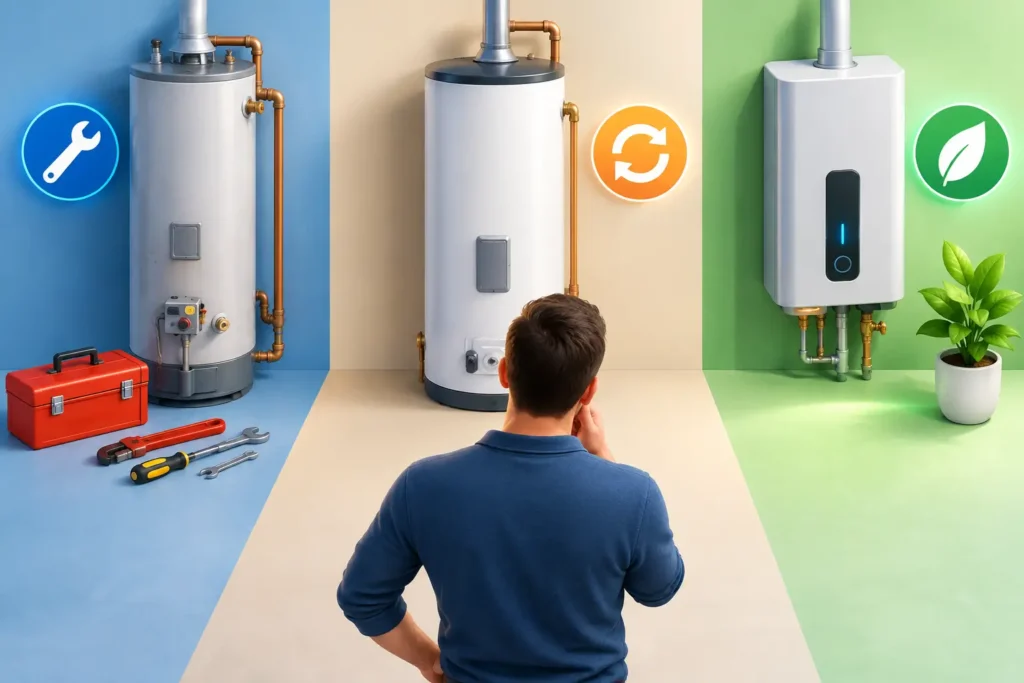
A water heater that runs out quickly does not always need replacement. However, an older unit, a recurring repair, or a tank that no longer suits your household can make replacement the more practical and cost-effective choice.
Why Does a Water Heater Run Out Fast?
The most common reason is that the heater cannot keep up with the amount of hot water being used. A storage tank holds a limited supply, then needs time to heat the incoming cold water. In the GTA, that recovery period can feel longer during winter because the water entering your home is much colder.
That said, a sudden change is different from a system that has always struggled during back-to-back showers. If your household has not changed its routine but the hot water now disappears much faster, there is likely a maintenance or equipment issue worth checking.
1. Your Household Is Using More Hot Water
A 40-gallon tank may have worked well when two people lived in the home, but it can feel undersized once children, guests, new appliances, or additional bathrooms increase daily demand. Consecutive showers, a dishwasher cycle, and laundry can drain a conventional tank sooner than expected.
The tank’s advertised size is not the same as the amount of comfortably usable hot water. Cold water mixes with hot water at the tap, and the available supply depends on the tank temperature, incoming water temperature, and fixture flow rates. A tank that seems adequate in summer may fall short in a cold Ontario winter.
If the problem happens only at peak times, your water heater may be working normally but be too small for the way your household now uses hot water. A larger tank, a faster-recovery model, or a properly sized tankless water heater may be a better fit.
2. Sediment Is Taking Up Space in the Tank
Minerals in the water can settle at the bottom of a tank over time. This sediment reduces the effective capacity of the tank and creates a barrier between the heat source and the water. The result is less available hot water, slower recovery, higher energy use, and sometimes popping or rumbling sounds while the unit runs.
Sediment is especially common in aging tank-style water heaters. Draining or flushing a tank can help in some cases, but it is not a cure for every issue. If heavy buildup has been present for years, flushing may not restore performance fully and can occasionally expose existing weaknesses in an old tank.
A technician can assess the condition of the unit and recommend whether maintenance makes sense or whether replacement is the safer investment.
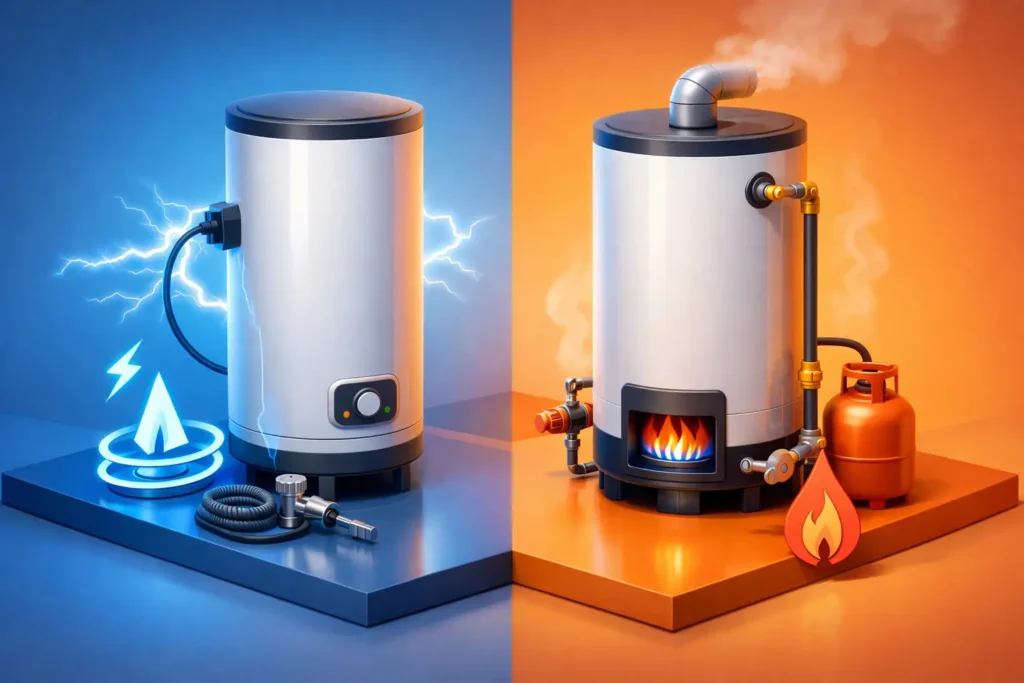
3. An Electric Water Heater Has a Failed Element
Most electric tank water heaters use two heating elements: one near the top and one near the bottom. When the lower element fails, the unit may still produce some hot water, but it often runs out very quickly because only part of the tank is being heated.
This issue can be confusing because the water may start out reasonably hot. After the upper portion of the tank is used, the remaining water is lukewarm or cold. A tripped breaker, damaged wiring, a faulty thermostat, or a failed element can all cause this symptom.
Electrical water heater repairs should be handled carefully. Power must be shut off and the components tested correctly before any repair is attempted. A certified technician can determine whether replacing an element is worthwhile or whether the tank itself is near the end of its service life.
4. A Gas Water Heater Has a Burner or Venting Problem
Gas water heaters rely on a burner assembly, thermostat controls, combustion air, and proper venting. If the burner is not firing reliably, the flame is weak, or the unit is shutting down early, recovery time can become much longer. You may notice that the water gets hot briefly but does not stay hot through normal use.
Never ignore signs of a gas appliance problem. A gas smell, soot, unusual flame colour, frequent shutdowns, or a carbon monoxide alarm require prompt attention. Avoid trying to adjust gas controls yourself. Turn off the appliance if it is safe to do so, leave the area if you smell gas, and arrange professional service.
Power vent water heaters also depend on electrical components and a fan to vent combustion gases. A venting fault or failed pressure switch can affect operation even if the tank itself is still in good condition.
5. The Dip Tube Is Damaged
Inside a tank water heater, a dip tube directs incoming cold water to the bottom of the tank. This allows the hot water near the top to leave through the hot-water outlet. When the dip tube cracks, breaks, or deteriorates, cold water may mix near the top too soon.
The symptom is often very specific: the water starts hot, then turns cold much faster than it used to. Small pieces of plastic may also show up in faucet aerators or showerheads on older units with a deteriorating dip tube.
A dip tube can sometimes be replaced, but the overall age and condition of the water heater matter. Repairing one part of a leaking or heavily corroded tank is rarely a sensible long-term solution.
6. The Thermostat Setting Is Too Low or Not Working Properly
A low temperature setting reduces the amount of usable mixed hot water available from a storage tank. Many homeowners lower the setting to reduce energy costs, but setting it too low can leave a household short during high-demand periods.
For most homes, a setting around 49 C is a common balance between comfort, energy use, and scald prevention. The right setting can vary depending on the equipment, the household, and whether young children or vulnerable family members are present. Raising the temperature excessively is not the answer, since hotter water increases scalding risk.
If the setting appears normal but the water is only lukewarm, a faulty thermostat may be the issue. This applies to both gas and electric systems, although the diagnosis is different for each type.
7. Cold Water Is Mixing Into the Hot-Water Line
Sometimes the water heater is doing its job, but cold water is entering the hot-water piping through a faulty fixture or mixing valve. A failing single-handle faucet, shower cartridge, tempering valve, or recirculation system can create this crossover.
This problem may affect one bathroom or the whole home. If one shower goes cold while other taps remain hot, start by considering that shower’s cartridge or pressure-balance valve. If every fixture has reduced hot-water performance, the issue may be closer to the water heater or main plumbing system.
A professional diagnosis helps avoid replacing a water heater when the real issue is a comparatively small plumbing repair.
8. The Tank Is Nearing the End of Its Life
Conventional water heaters commonly last about 8 to 12 years, though actual lifespan depends on water quality, maintenance, installation, and usage. As a tank ages, internal corrosion, sediment, worn controls, and declining efficiency can combine to reduce performance.
Check for rusty water, moisture around the base, corrosion on fittings, repeated temperature problems, or increasing repair needs. A leaking tank cannot be repaired safely and needs replacement. Even without a visible leak, an older unit that repeatedly runs out of hot water may no longer be worth investing in.
Quick Checks Before Booking Water Heater Service
First, notice the pattern. Does the water run out after one shower or only after several people use hot water? Does it happen at every fixture? Did it begin suddenly, or has it gradually become worse? These details help narrow down whether the issue is demand, a fixture problem, or a heater fault.
For an electric model, check whether the breaker has tripped, but do not remove panels or touch internal wiring. For a gas model, look for obvious warning signs such as a unit that will not stay lit, unusual noises, or water around the base. Do not attempt gas or venting repairs yourself.
Also check the temperature setting and confirm that no one has changed it recently. If your hot water use has increased, try spacing showers, dishwasher use, and laundry loads temporarily. If that improves performance, capacity may be the main issue.
When Repair Makes Sense and When Replacement Is Better
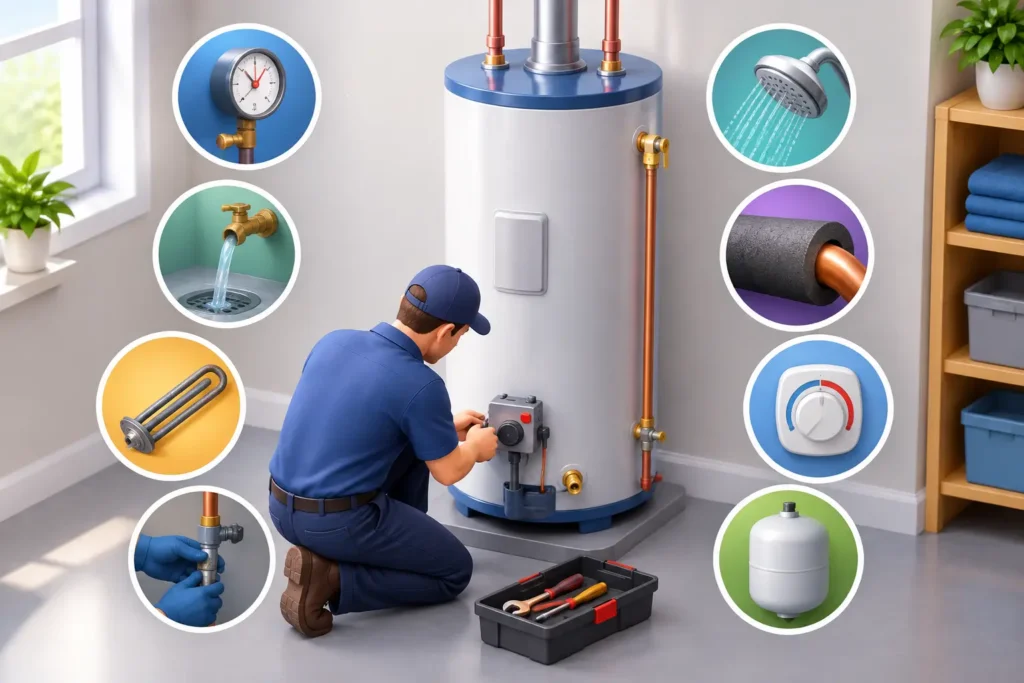
Repair often makes sense for a newer heater with a failed element, thermostat, burner component, or related control issue. It can also be practical when the problem is outside the unit, such as a faulty shower cartridge or mixing valve.
Replacement is often the better path when the tank is leaking, heavily corroded, approaching the end of its expected lifespan, or repeatedly needing repairs. It may also be time to reconsider the system type if your family consistently outgrows a tank’s capacity.
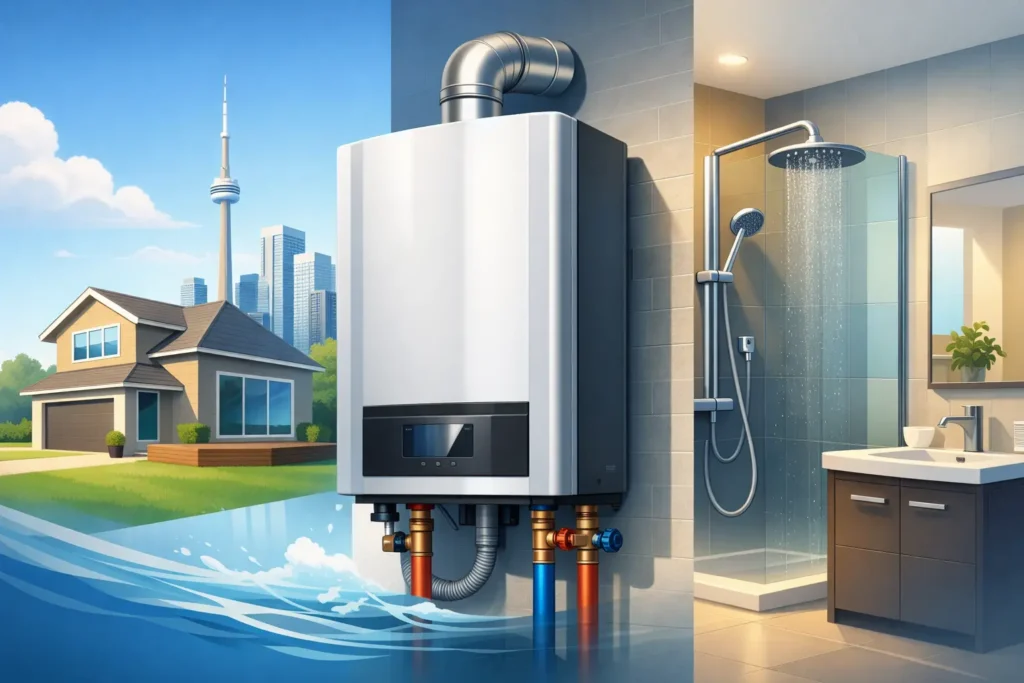
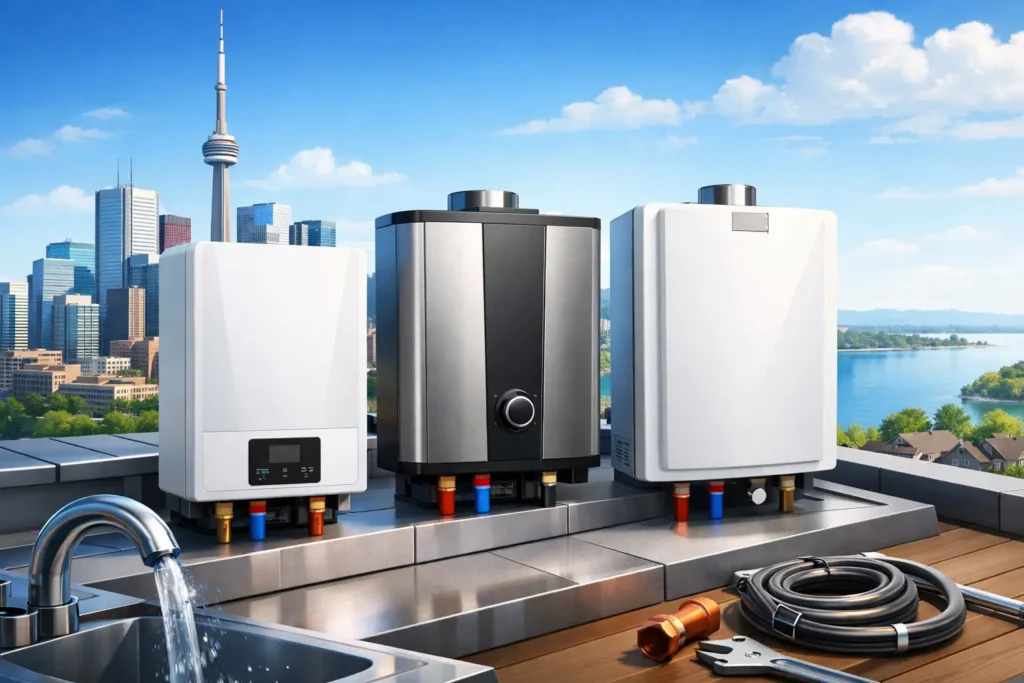
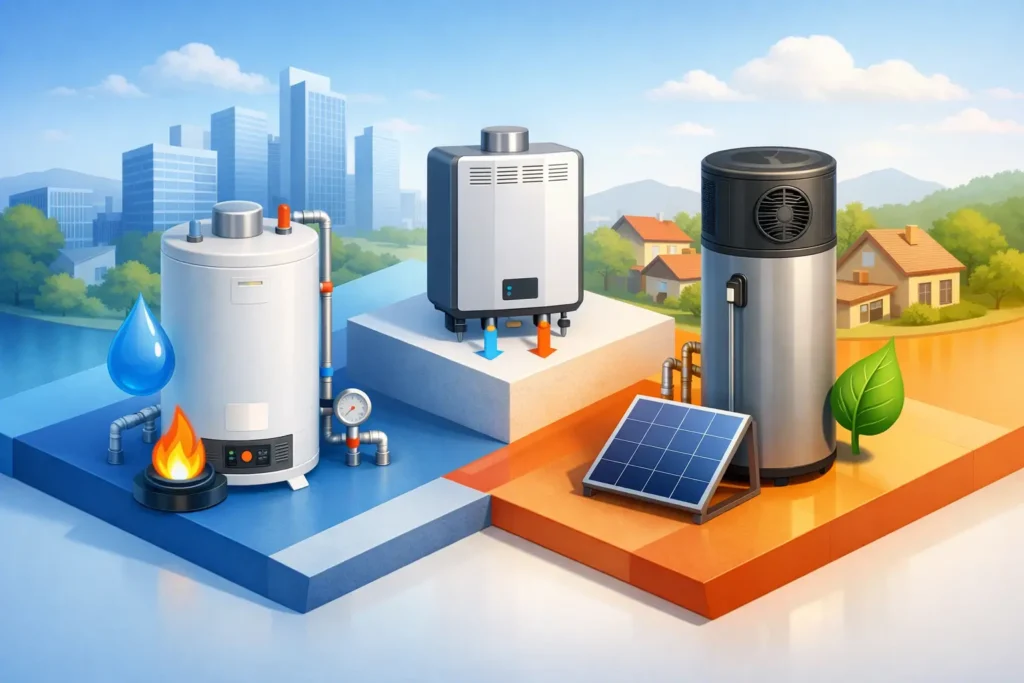
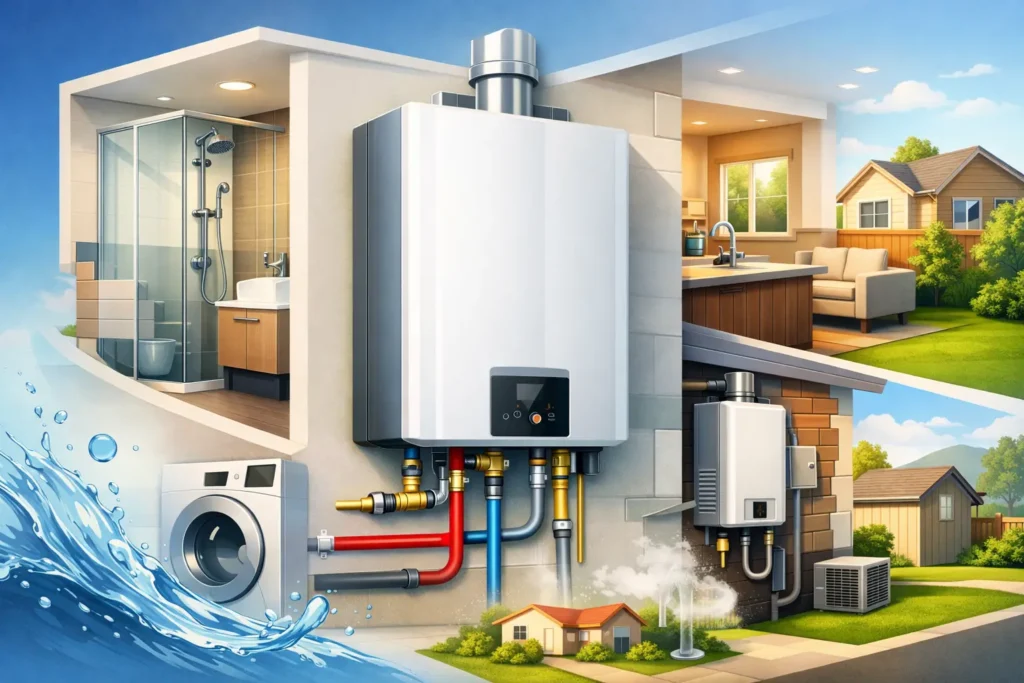
Tankless water heaters provide hot water on demand and can be an excellent option for homes with the right gas supply, venting, and installation conditions. They do have higher upfront costs and require professional sizing, particularly where multiple showers may run at once. Electric, gas, heat pump, and power vent water heaters each have different operating costs and installation requirements, so the best choice depends on your home rather than a one-size-fits-all recommendation.
A certified technician can test the existing system, explain the cause in plain language, and provide clear options before work begins. If your water heater is running out fast, acting before a complete failure gives you more control over timing, equipment selection, and budget.