A hot shower that turns cold halfway through is not always an emergency, but it is one of the water heater replacement signs homeowners should take seriously. In a busy GTA household, your water heater works every day behind the scenes. When performance starts slipping, waiting for a complete failure can mean water damage, an inconvenient loss of hot water, and a rushed decision about what to install next.
The good news is that most water heaters give warning signs before they stop working altogether. Some issues can be repaired safely and cost-effectively. Others point to tank deterioration or a system that is no longer worth investing in. Knowing the difference helps you plan a replacement on your schedule.
1. Your water heater is nearing the end of its expected life
A conventional tank water heater commonly lasts about 8 to 12 years, although maintenance, water quality, household demand, and the original installation all affect lifespan. If you are unsure of its age, check the manufacturer label or serial number. A unit approaching or beyond that range deserves closer attention, even if it is still producing hot water.
Age alone does not mean replacement is mandatory. A well-maintained unit with a minor, isolated repair may still have useful life left. But an older tank with repeated issues, rust, leakage, or declining efficiency is usually a better candidate for replacement than another repair.
2. You see water around the base of the tank
Water pooling near a tank should never be ignored. It may come from a loose connection, a leaking temperature and pressure relief valve, condensation, or a nearby plumbing issue. Those problems may be repairable, so a professional inspection matters.
However, water escaping from the tank itself is a more serious concern. Once the inner tank has corroded and cracked, it cannot be reliably repaired. A small leak can become a major one without much warning, especially as the tank heats and cools. Turn off the water supply if it is safe to do so, protect nearby belongings, and arrange service promptly.
3. Hot water looks rusty or discoloured
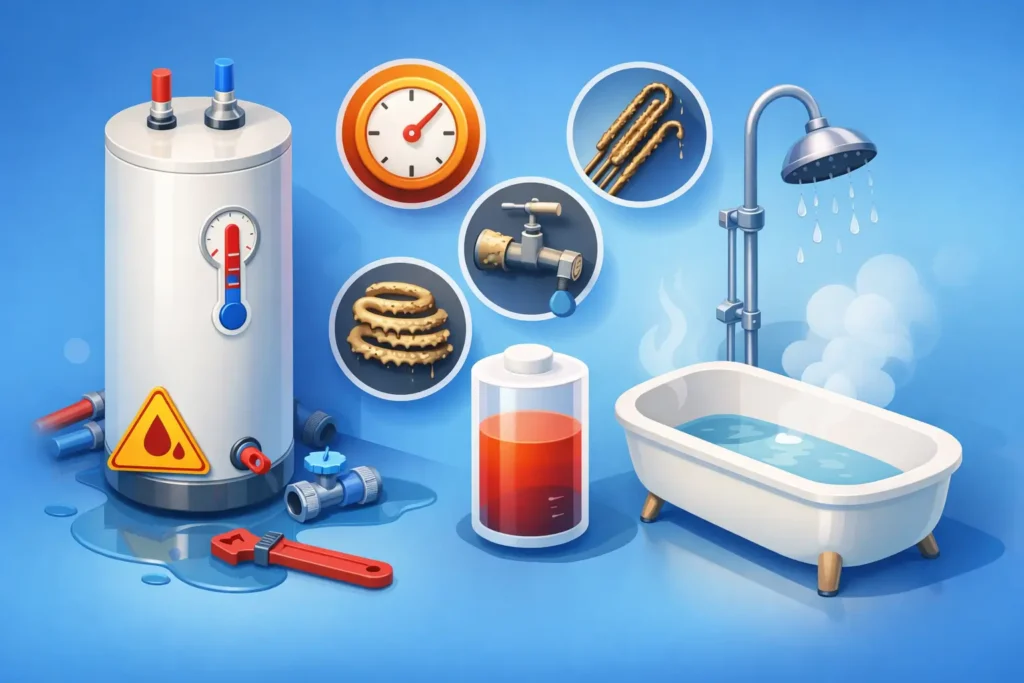
Brown, reddish, or rusty water from the hot side of your plumbing can indicate corrosion inside the water heater. Start by checking whether the colour appears only when hot water runs. If cold water is clear but hot water is discoloured, the water heater is a likely source.
In some cases, replacing a sacrificial anode rod can slow corrosion and extend tank life. If the tank is older and rust is already appearing in the water, though, the problem may be well advanced. Rust around pipe connections or on the outside of the tank adds to the concern.
4. The tank makes popping, banging, or rumbling sounds
A quiet hum is normal. Loud popping, crackling, banging, or rumbling is not something to dismiss as ordinary household noise. These sounds often happen when sediment collects at the bottom of the tank. As water heats beneath that layer, steam bubbles struggle to escape.
Sediment can reduce heating efficiency, limit available hot water, and make the equipment work harder than it should. Flushing may help if the buildup is caught early. On an aging tank with heavy sediment, flushing can reveal existing weaknesses or may not restore performance enough to justify the cost. A technician can assess whether maintenance or replacement is the sensible next step.
5. You are running out of hot water sooner than before
If the first person gets a comfortable shower and the next person does not, your household may have outgrown the tank size. It can also mean a failed heating element in an electric unit, a burner issue in a gas model, sediment buildup, or a malfunctioning thermostat.
This is one of the water heater replacement signs that depends heavily on the cause. A newer unit with a failed component may be worth repairing. But if an older tank cannot meet regular demand, replacement offers a chance to choose equipment that suits how your family actually uses hot water. A larger tank, tankless water heater, or heat pump water heater may each make sense in different homes.
6. Your energy bills are rising without a clear reason
Water heating is a significant part of household energy use. When a water heater loses efficiency, it needs more fuel or electricity to deliver the same result. Sediment, worn internal components, and heat loss from an aging tank can all contribute to higher operating costs.
A higher bill is not proof that your water heater is failing. Seasonal heating costs, utility rate changes, and other appliances can affect your total consumption. Still, when higher bills appear alongside reduced hot-water performance or unusual noise, it is worth having the system checked.
7. Repairs are becoming frequent or expensive
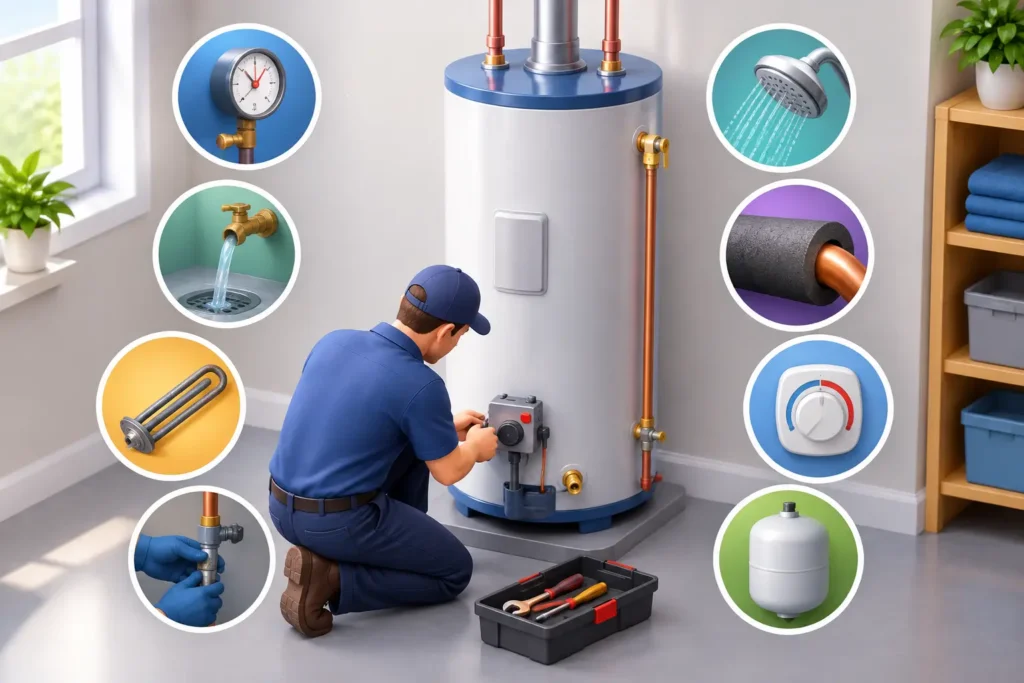
One straightforward repair is often better than replacing a relatively young water heater. For example, a valve, thermostat, heating element, ignition component, or anode rod may be replaceable. The calculation changes when service calls become regular or when a costly repair is needed on equipment nearing the end of its lifespan.
Think beyond the immediate repair invoice. An older unit may continue to need attention, consume more energy, and still leave you at risk of a tank leak. A certified technician should explain the issue clearly, outline the repair option, and give you practical replacement choices without pressure.
8. The burner flame is yellow or you notice soot
For gas water heaters, the burner flame should generally be blue. A yellow flame, soot around the unit, or black marks near the venting can point to incomplete combustion. This can be caused by burner contamination, ventilation issues, or other problems requiring professional attention.
Do not attempt to adjust gas components yourself. If you smell gas, leave the area, avoid switches and open flames, and contact the gas utility or emergency services as appropriate. Even when there is no immediate emergency, combustion concerns should be assessed quickly by a qualified technician.
9. The tank has visible corrosion or damage
Rust, corrosion, dents, or swelling around the tank and fittings deserve attention. Surface corrosion on an external pipe may be repairable. Corrosion around the tank seams, the bottom of the unit, or the connections can suggest moisture exposure and a growing risk of leakage.
Look for damp drywall, warped flooring, or a musty smell around the water heater as well. These clues can show that a slow leak has been present longer than expected. Replacing the unit before a tank rupture can prevent a much larger restoration project.
10. Your replacement should match your home, not just the old tank
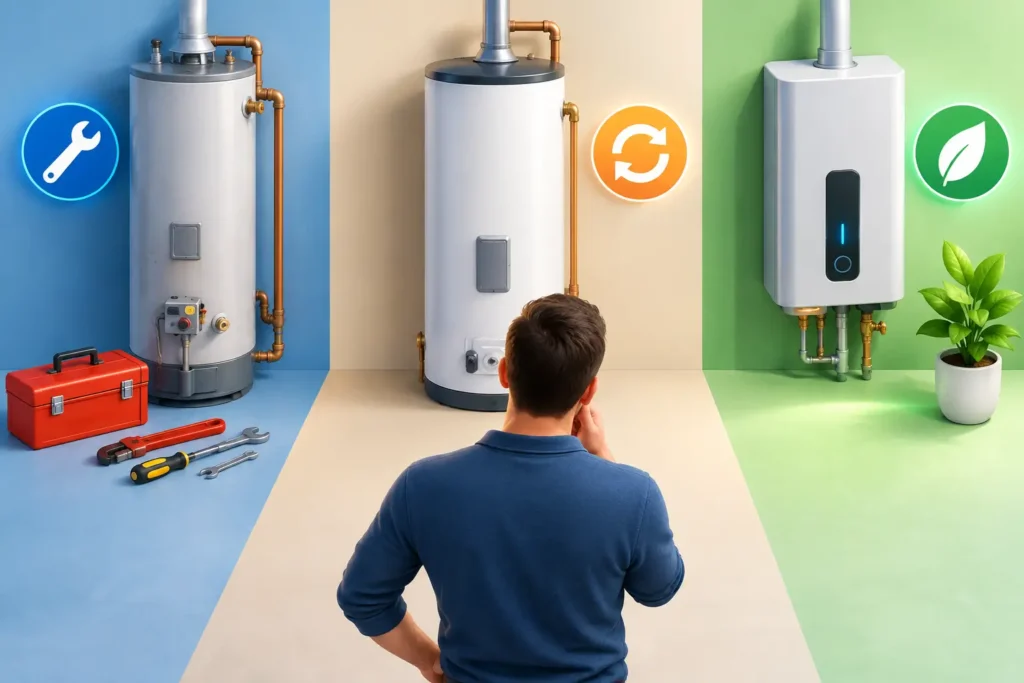
When it is time to replace a water heater, choosing the same size and type is not always the best answer. Household size, number of bathrooms, peak shower times, available venting, electrical capacity, and installation location all matter. A family in a detached home may have different needs than a condo owner or a landlord replacing equipment between tenants.
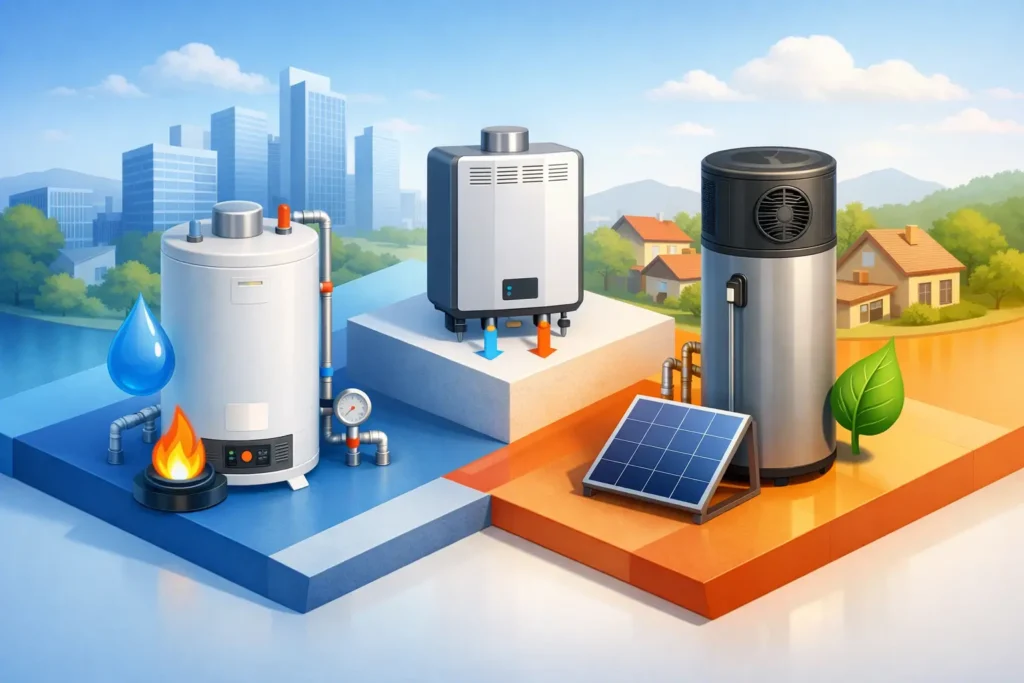
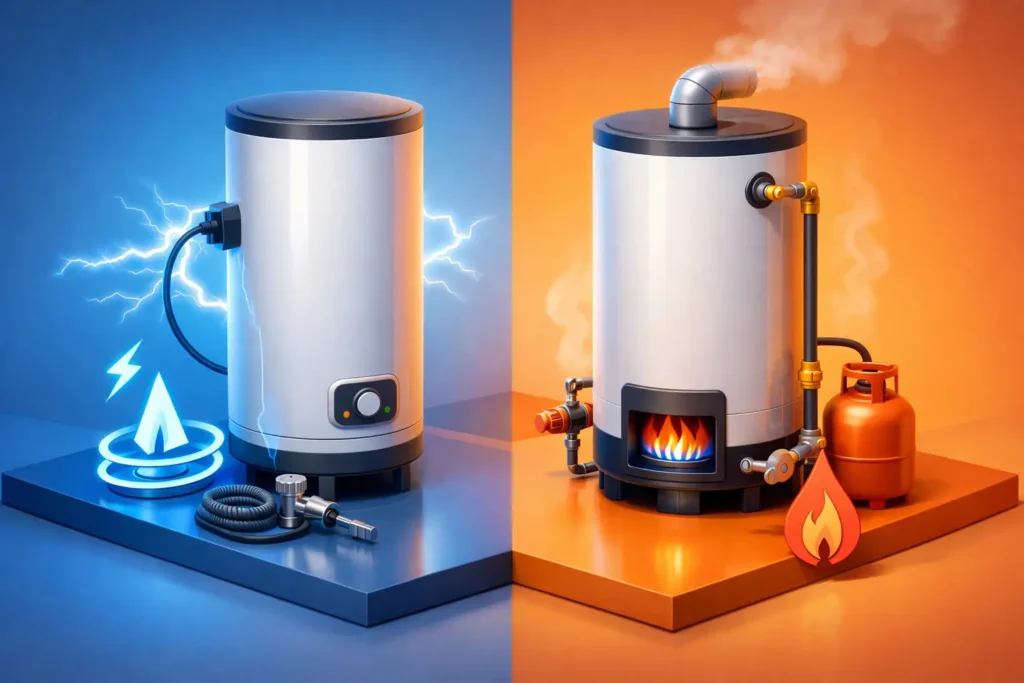
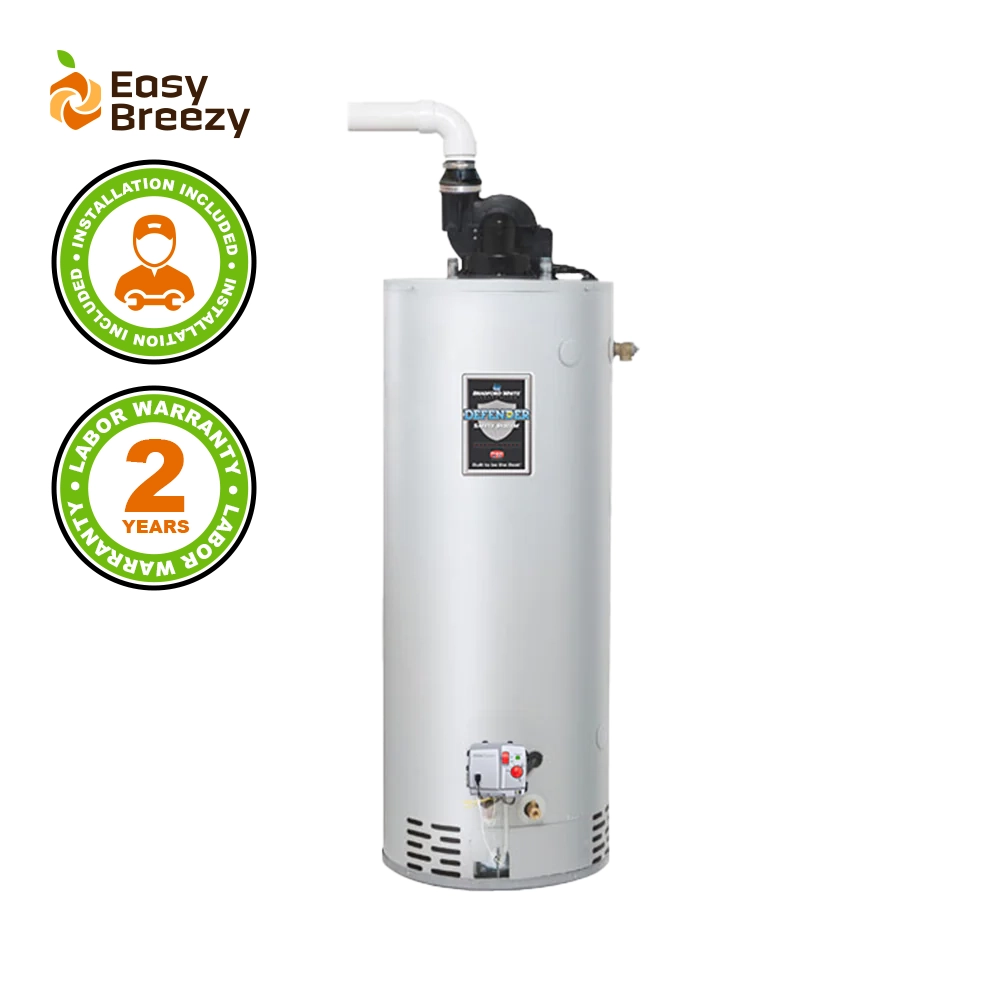
Conventional gas and electric tank water heaters are familiar, dependable options with predictable installation requirements. Tankless water heaters provide hot water on demand and save space, but they need proper sizing and may require venting or gas-line upgrades. Heat pump water heaters can reduce electricity use, although they need suitable space and operating conditions. Power vent models can be practical where conventional chimney venting is not available.
Clear, installed pricing and an explanation of what the job includes can make the decision easier. The right recommendation should account for performance, operating cost, installation requirements, and your budget, not just the lowest initial equipment price.
If your water heater is showing more than one warning sign, booking an assessment before it fails gives you more control. You can compare suitable options, schedule installation at a convenient time, and avoid making a major home-comfort decision in the middle of a cold shower or a leaking-tank emergency.