A furnace stops heating on a January night, or an air conditioner fails just as a Toronto heat wave begins. The last thing most homeowners want is an open-ended bill. Fixed price HVAC installation gives you a clearer way to plan: you can see the equipment, understand the installed cost, and make a decision without guessing where the final number will land.
That clarity matters, but a fixed price is only useful when it is tied to a clearly defined scope of work. A low advertised price that leaves out essential labour, materials, permits, or disposal is not truly transparent. The goal is to know what is included before installation day, while leaving room for an honest conversation if a hidden condition in the home changes the work required.
What Fixed Price HVAC Installation Should Cover
For a straightforward replacement, the listed installation price should cover more than delivering a new unit and connecting a few lines. It should reflect the full job required to safely replace the equipment in a typical home.
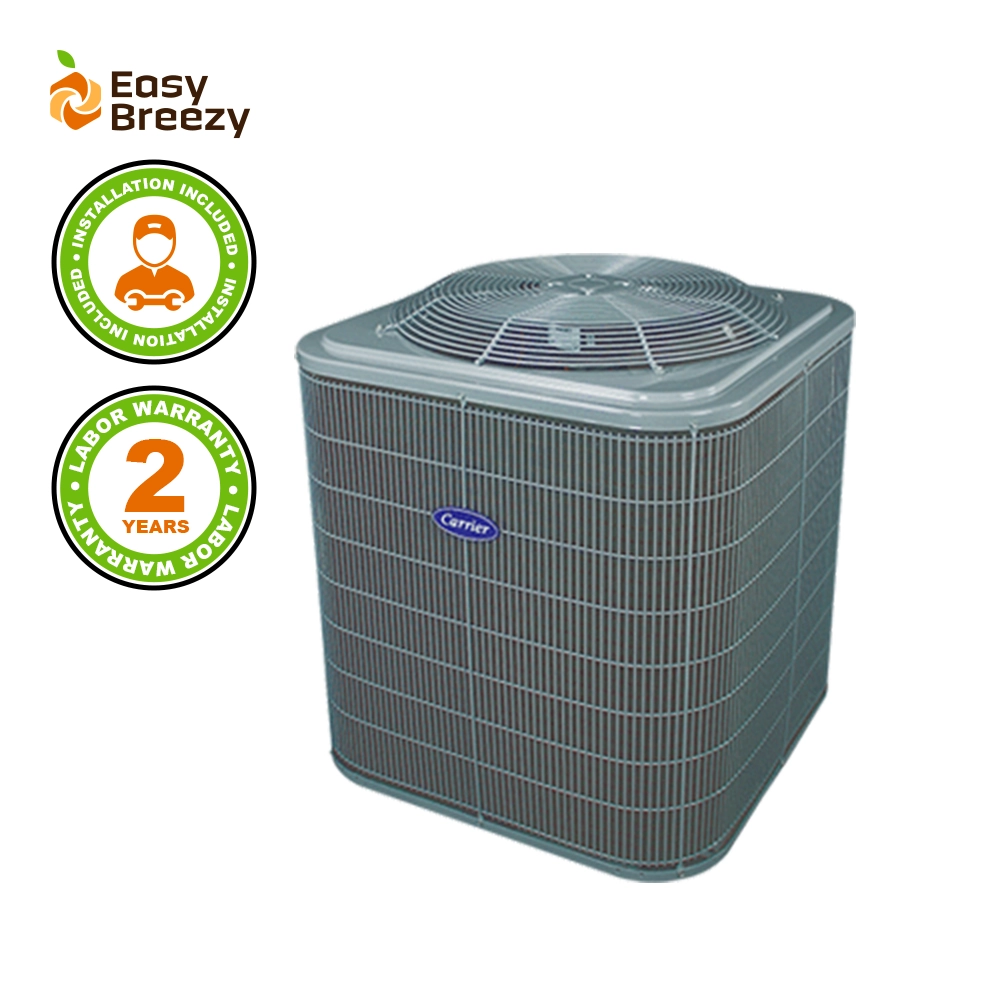
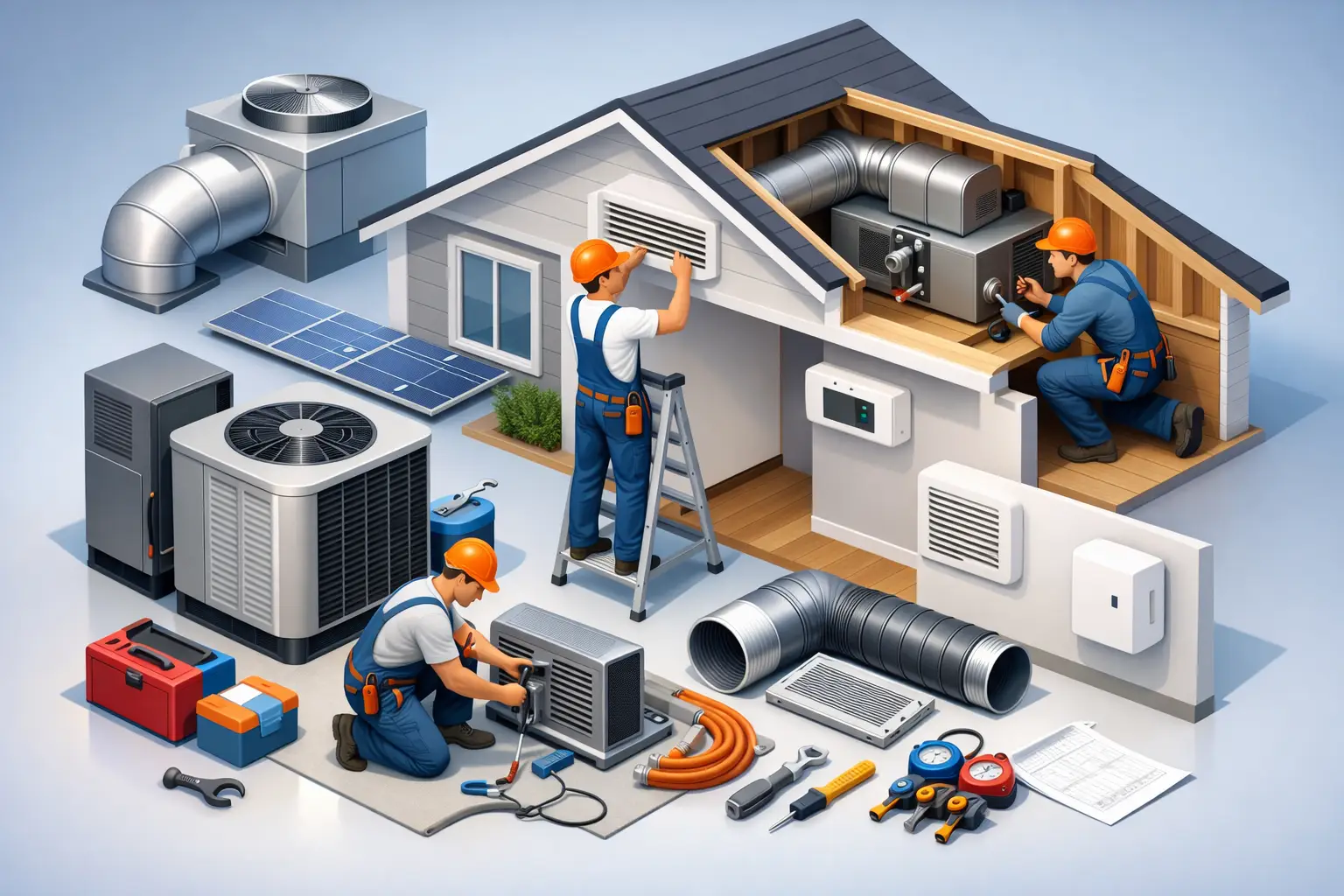
For a gas furnace, that commonly includes removing the existing furnace, setting and connecting the new unit, completing required venting and drain connections, making electrical connections, installing a compatible thermostat where included, testing operation, and taking away the old equipment. A central air conditioner or heat pump installation also needs the outdoor unit placed and secured, refrigerant lines connected or assessed, electrical work completed, and the system commissioned so it can heat or cool properly.
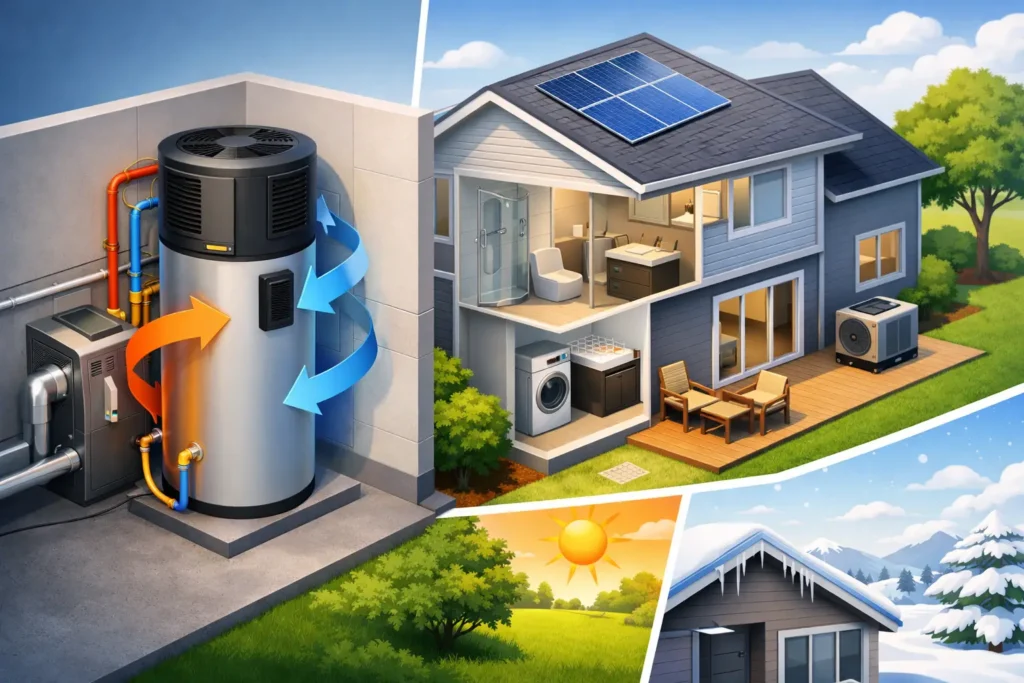
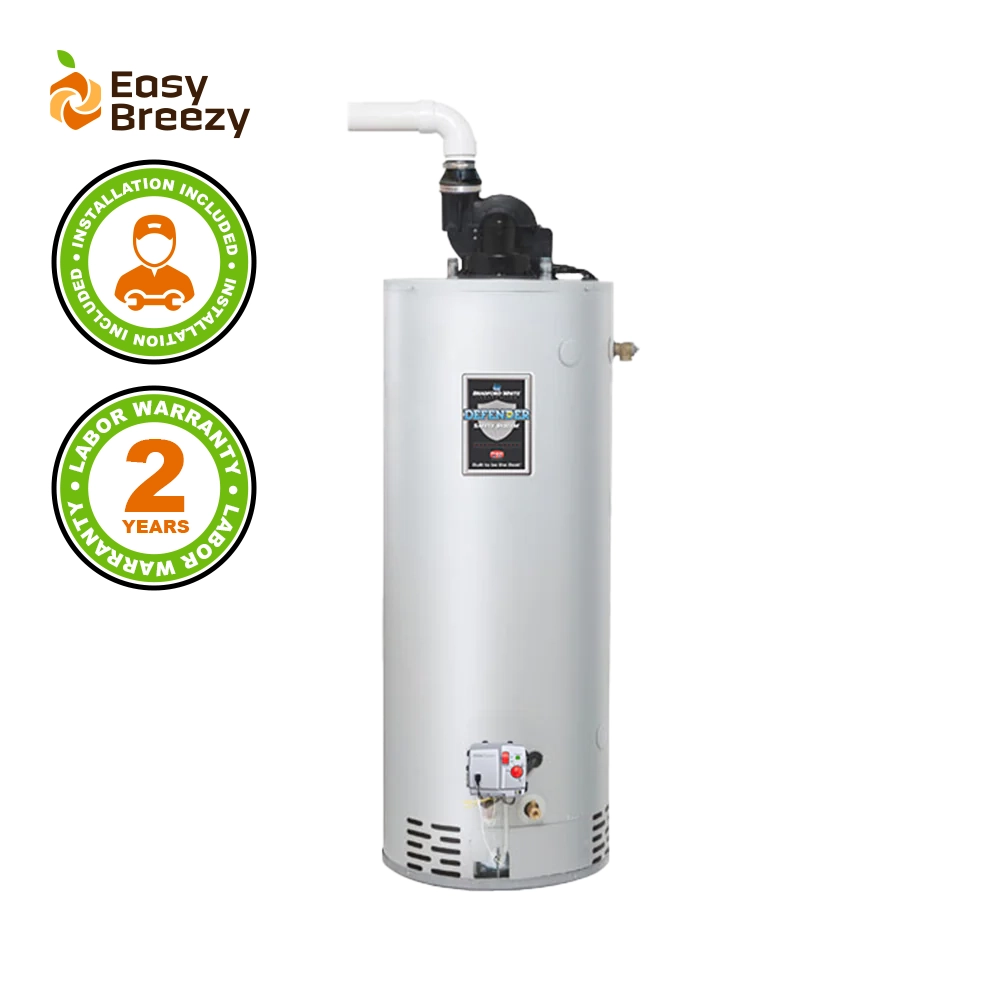
Water heating installations have their own requirements. Replacing a tank-type water heater may involve new venting, gas or electrical connections, a drain pan where needed, and removal of the old tank. Tankless, power vent, and heat pump water heaters can require more planning because vent routes, condensate drainage, electrical capacity, and available space vary from home to home.
A good fixed price should state the equipment model and major included services in plain language. You should not have to assume that old equipment removal, basic materials, start-up testing, or installation labour are covered. If an item is excluded, it should be identified before you agree to proceed.
When a Fixed Price May Need to Change
Fixed pricing does not mean a contractor should ignore site conditions. It means the price is based on a known scope, not a vague promise. Some homes reveal issues that cannot reasonably be confirmed until an on-site assessment or until the old equipment is removed.
For example, an older GTA home may have unsafe or undersized wiring, damaged ductwork near the furnace, a non-compliant venting route, corroded shut-off valves, or insufficient clearance for the replacement unit. An air conditioner replacement may uncover a refrigerant line that cannot be reused, while a water heater replacement may reveal a chimney, drain, or gas-line issue that needs correction.
These are not reasons for surprise charges without explanation. They are reasons for the technician to stop, explain the condition, outline the available options, and get approval before doing additional work. Ask how the company handles changes to scope. The right answer is simple: you should know what changed, why it matters, and what it will cost before the work continues.
Why Model-Specific Pricing Helps Homeowners Compare
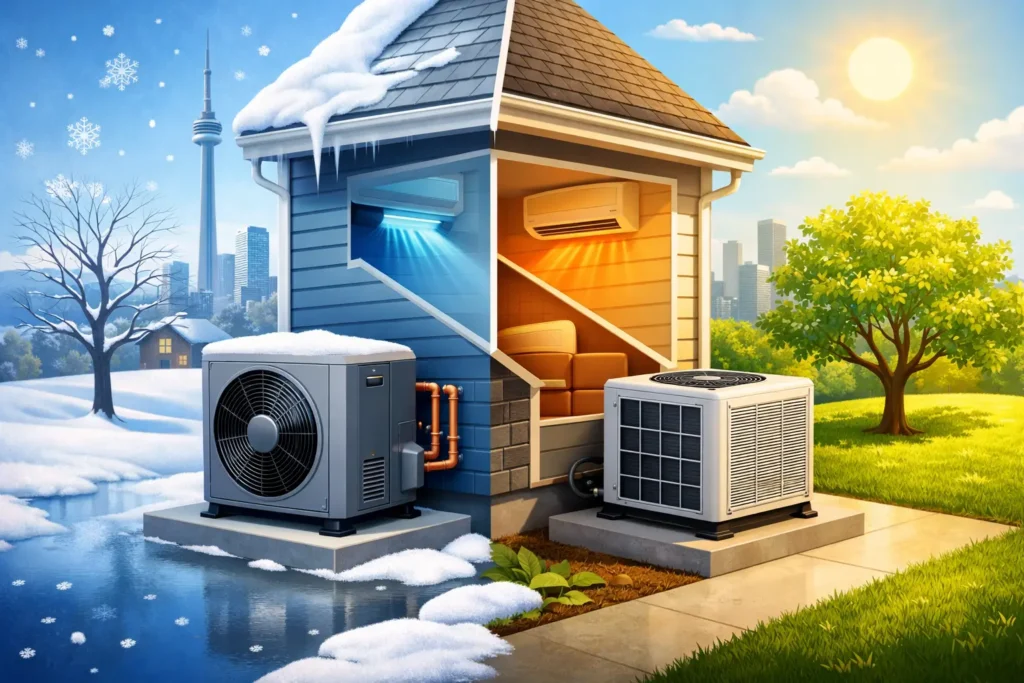
“Furnace installation from” pricing can be useful as a starting point, but it does not tell you much about efficiency, capacity, warranty, or the final installed cost. Model-specific pricing gives you a more practical comparison point. You can see whether you are looking at a single-stage furnace, a variable-speed system, a standard air conditioner, a cold-climate heat pump, or a water heater with a particular venting configuration.
That does not mean the most expensive system is automatically the best choice. A family planning to stay in the home for many years may value higher efficiency, quieter operation, and stronger comfort control. A homeowner replacing failed equipment before selling may prioritize a dependable, properly sized system with a reasonable upfront cost.
Correct sizing is also more valuable than buying extra capacity. An oversized air conditioner can cool a home too quickly without removing enough humidity. An undersized furnace may run continuously during cold weather. A certified technician should look at the home, the existing system, ductwork, insulation, and comfort concerns before recommending the right equipment category and size.
Comparing Fixed Installation Prices Fairly
When two installation prices are far apart, compare the details before choosing the lower number. One quote may include the equipment only, while another includes the labour and materials needed to complete the job correctly. The difference can also come from equipment efficiency, warranty coverage, electrical upgrades, venting requirements, or whether permits and old equipment removal are included.
Start by confirming the exact model numbers. Then ask whether the price includes installation labour, standard materials, removal and disposal, start-up testing, and applicable permit work. It is also worth asking who will complete the installation and what labour warranty applies after the job is finished.
The warranty question is especially important. Manufacturer parts warranties can be valuable, but they do not always cover labour to diagnose or replace a failed part. Easy Breezy HVAC Inc. provides a two-year free labour warranty, giving homeowners added protection after an eligible installation or repair. That kind of coverage can make a meaningful difference if a problem appears after the initial work is complete.
The Site Visit Still Matters
Visible prices make research easier, but they do not replace a professional assessment. A site visit gives the installer a chance to verify access, measure equipment space, inspect the existing connections, and identify anything that could affect the installation.
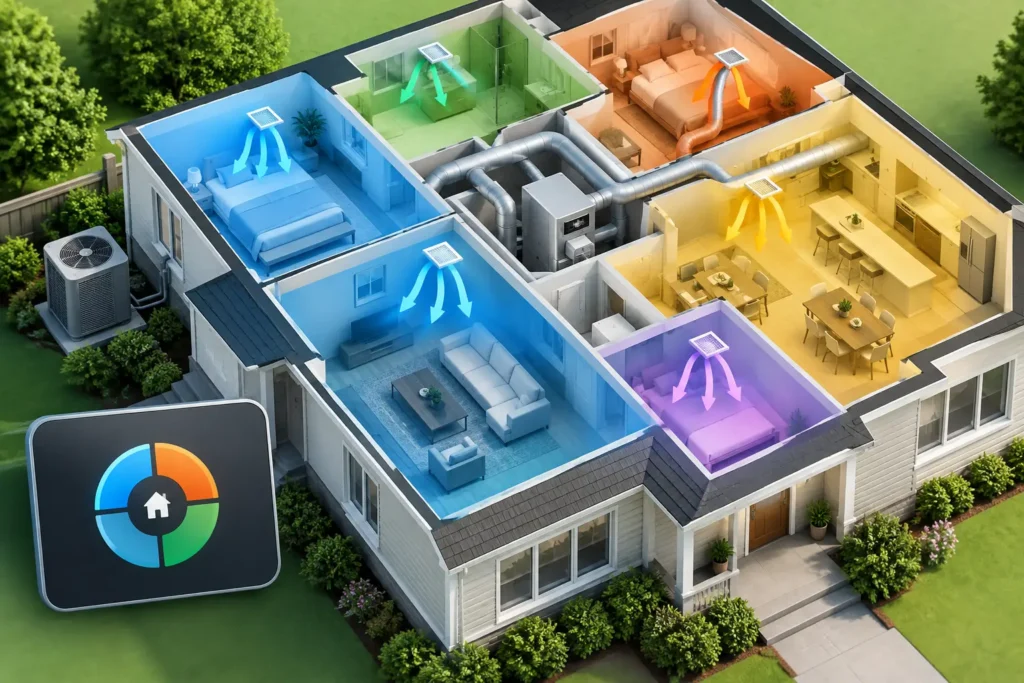
It also gives you time to discuss how your home actually feels. Maybe the bedrooms are warmer than the main floor, the basement stays damp in summer, or the second floor never seems to cool evenly. Those details help determine whether a like-for-like replacement is enough or whether airflow, thermostat location, zoning, or equipment selection should be considered.
For urgent replacements, the assessment may be brief and focused on restoring safe operation quickly. Even then, clear communication is essential. You should understand whether the quoted fixed price applies as-is and what conditions could require additional approved work.
Questions to Ask Before You Approve the Job
Before booking, ask for the exact equipment model, the complete installed price, and a written explanation of what is included. Confirm whether the existing system will be removed, whether basic materials and start-up are covered, and whether permit requirements have been considered.
Ask what happens if the technician finds an issue behind the old equipment or in the existing connections. You are looking for a process, not a vague assurance. A dependable contractor will explain that no extra work proceeds without your approval unless there is an immediate safety issue that requires the system to be shut down.
Finally, ask about maintenance after installation. A new furnace, air conditioner, heat pump, or water heater will perform best when filters are changed, drains and venting are checked, and service is scheduled before a small issue becomes an inconvenient breakdown.
A fixed installation price should make a major home decision feel more manageable, not less. Choose a contractor that pairs clear equipment pricing with a careful assessment, certified workmanship, and direct answers when your home needs something beyond the standard scope.