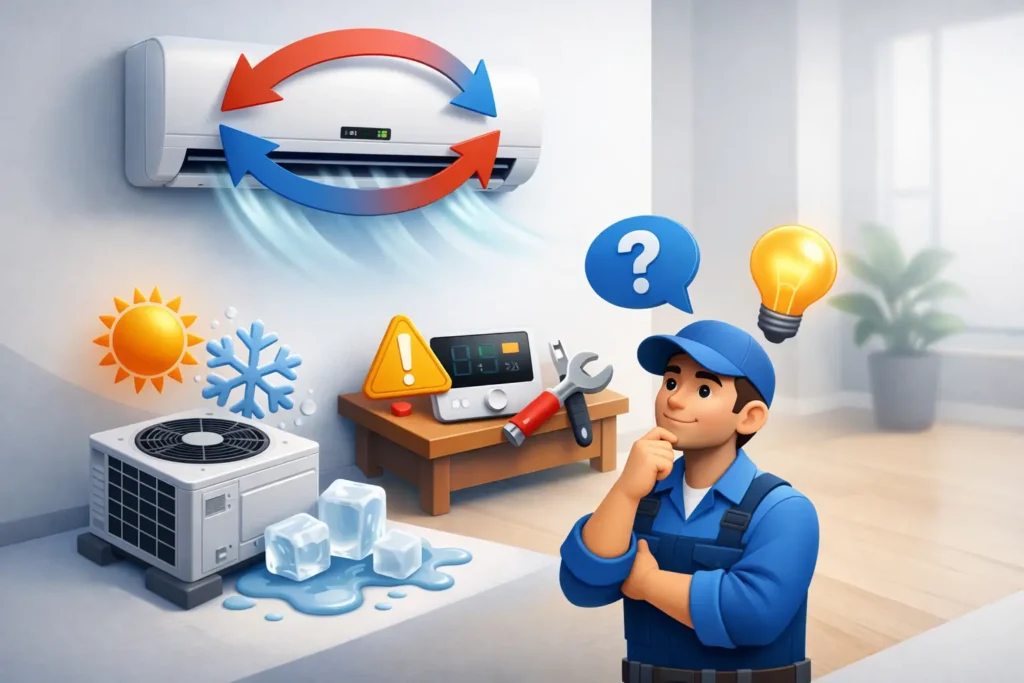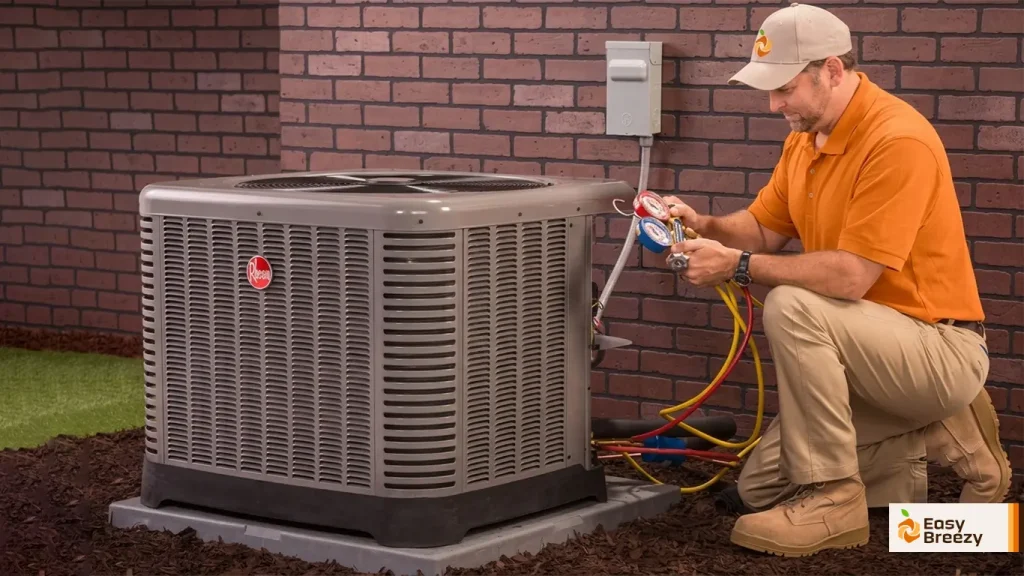
When your air conditioner starts blowing warm air during a humid GTA afternoon, the problem gets urgent quickly. A timely ac repair can prevent a small electrical, drainage, or airflow issue from turning into a full system breakdown – and can help protect your comfort when you need cooling most.
The right next step is not always to replace the unit. Many cooling problems have a straightforward cause, but accurate diagnosis matters. Your AC system includes electrical components, refrigerant lines, a condensate drain, moving parts, and controls that must work together. A certified technician can identify the source of the problem, explain the repair clearly, and help you decide whether fixing or replacing the equipment makes the most sense.
When AC Repair Is the Right Call
A sudden loss of cooling is an obvious reason to book service, but it is not the only one. Air conditioners often give early warning signs before they stop working completely. Responding early can reduce the chance of further damage and may keep an uncomfortable situation from becoming an after-hours emergency.
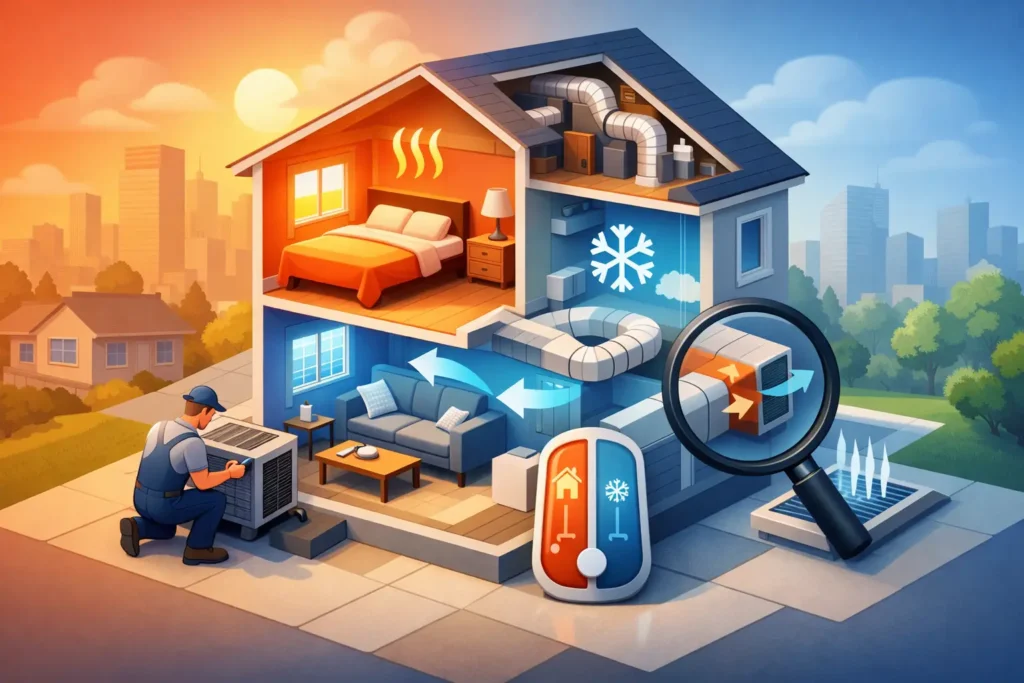
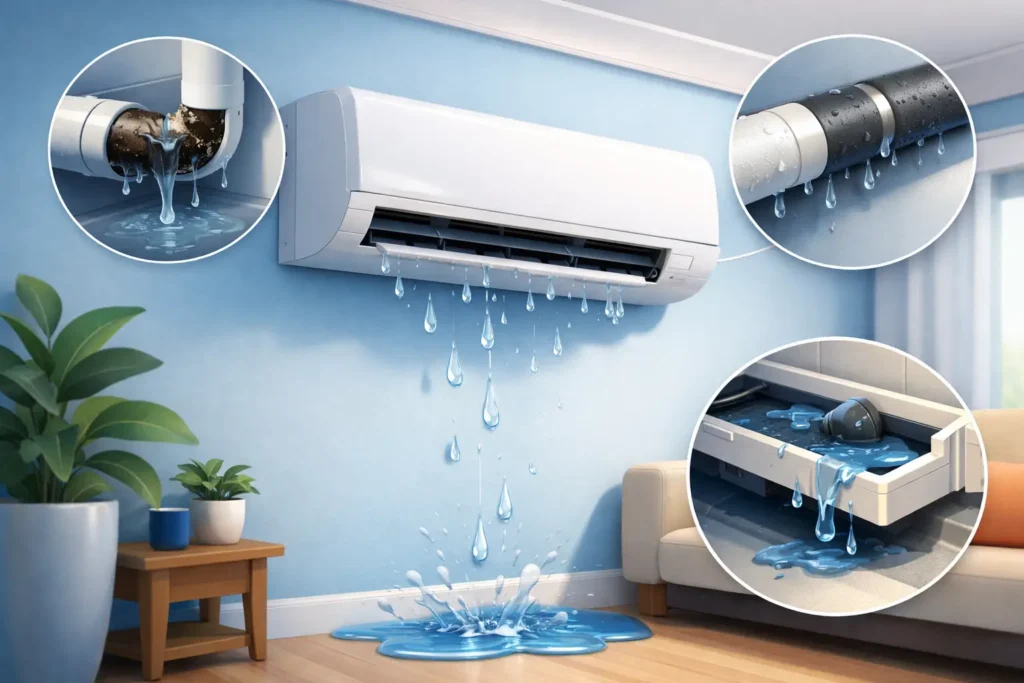
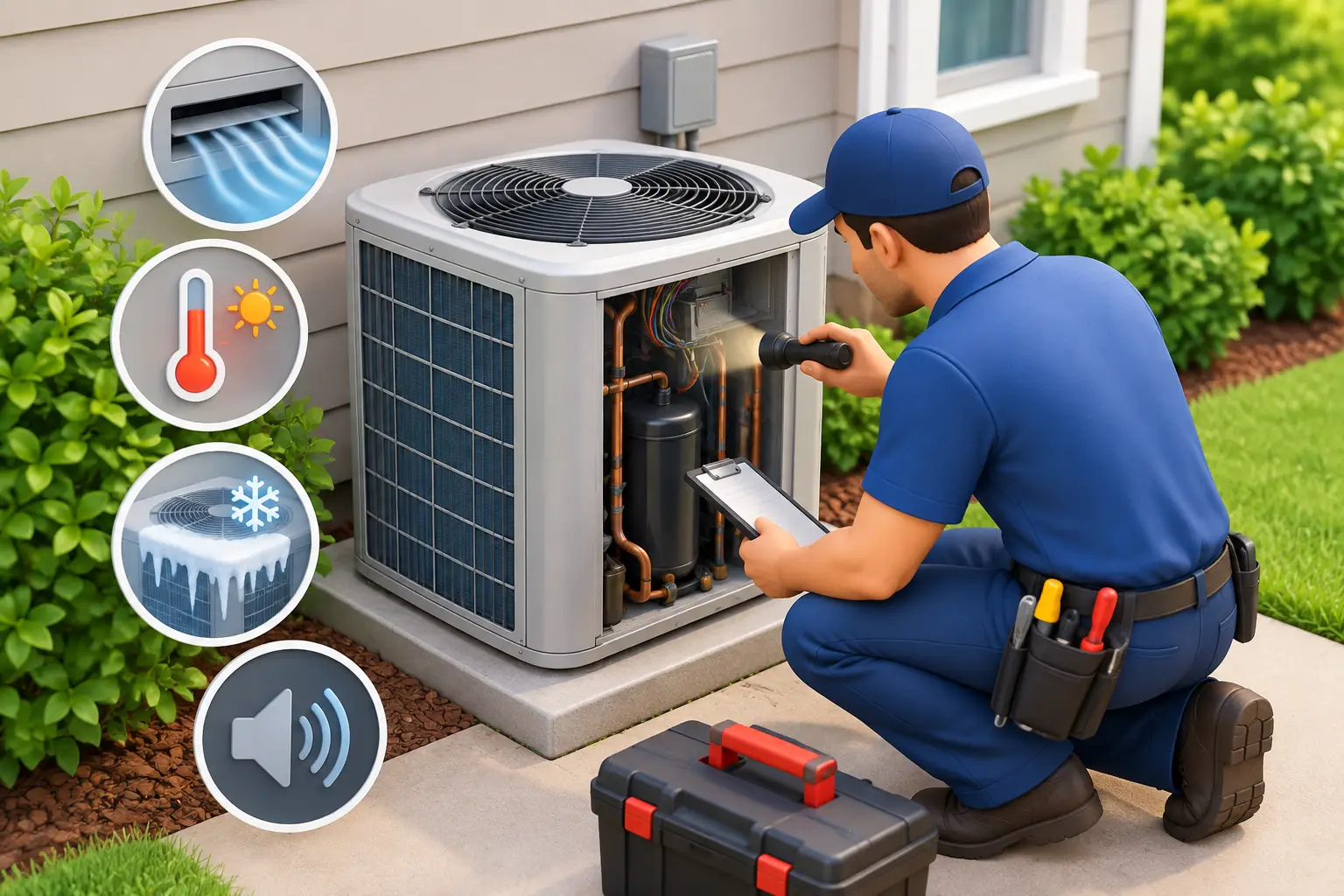
Book an assessment if your home feels warmer than the thermostat setting, airflow from the vents has become weak, or the system runs for long periods without reaching the set temperature. Hot and cold rooms, repeated cycling, unusual noises, water near the indoor equipment, and a noticeable increase in hydro costs can also point to an issue that needs attention.
Some problems are simple, such as a blocked filter restricting airflow. Others need professional testing. A failing capacitor, worn blower motor, dirty coil, refrigerant leak, clogged condensate line, or control issue can produce similar symptoms. Replacing parts without a proper diagnosis can cost more and leave the real problem unresolved.
Warm air or limited airflow
Warm air can be caused by a thermostat setting, a dirty filter, a tripped breaker, a frozen evaporator coil, or an issue with the outdoor condenser. Limited airflow may indicate a clogged filter, blocked vents, ductwork concerns, or a blower problem. Because these symptoms overlap, it is best not to assume the outdoor unit is the only source of the trouble.
Before calling, check that the thermostat is set to cool and below the current room temperature. Confirm the furnace or air handler switch is on, and inspect the filter if it is safe and accessible. If the filter is heavily soiled, replace it with the correct size and type. Do not keep running the system if airflow is very weak or the indoor coil may be frozen.
Strange sounds, smells, or repeated cycling
Rattling can sometimes mean a loose panel, while buzzing, humming, grinding, or screeching may indicate an electrical or mechanical concern. A musty smell can be related to moisture or drain issues. A burning odour, smoke, or a repeatedly tripping breaker should be treated more seriously: turn the system off and arrange professional service.
Short cycling – when the AC starts and stops frequently – also deserves attention. It can increase wear on the equipment and make cooling less efficient. The cause may be as simple as a thermostat placement issue, but it can also relate to airflow, controls, sizing, or refrigerant performance.
What to Do Before an AC Repair Visit
A little information helps a technician diagnose the issue faster. Note when the problem began, whether it happens all day or only at certain times, and what you see or hear when the system runs. If you have changed the filter recently, mention that as well.
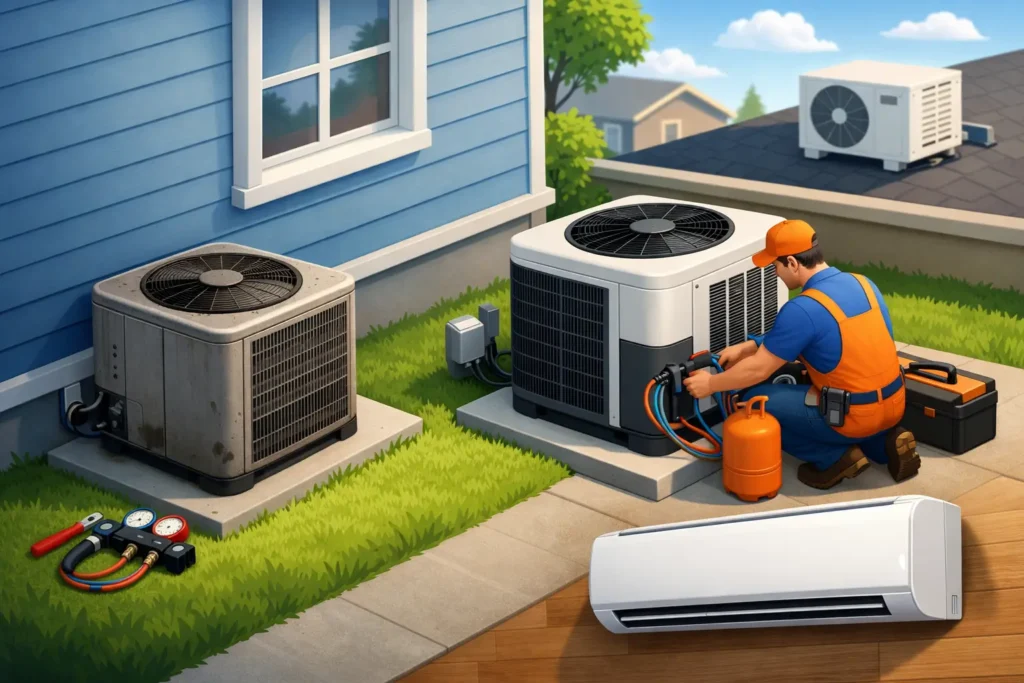
For safety, avoid opening sealed equipment panels or attempting to handle refrigerant lines. Refrigerant work and electrical testing require the right tools and certification. You can take these practical steps while waiting for service:
- Set the thermostat to off if you hear loud mechanical noises, smell burning, see water pooling, or notice the breaker tripping.
- Keep furniture, leaves, grass clippings, and stored items away from the outdoor unit so it can release heat properly.
- Make sure supply vents and return grilles inside the home are open and unobstructed.
- Have the model and approximate age of your system available if possible.
If the unit has ice on the refrigerant line or indoor coil, turn cooling off. Running a frozen system can strain the compressor. Depending on the situation, running the fan setting may help thaw the coil, but the underlying cause still needs to be identified before returning the system to normal use.
Repair or Replace: How to Make a Sound Decision
The best choice depends on the condition of the system, not just the fact that it has failed once. An air conditioner with many dependable years left may be worth repairing, particularly when the problem is isolated and the rest of the system is in good condition. Regular maintenance history, equipment age, repair frequency, energy performance, and parts availability all matter.
Replacement may be the better investment when repairs are becoming frequent, the unit has a major component failure, or its efficiency no longer matches your household’s needs. Older equipment may also use refrigerant that is more difficult or costly to source. A new system can improve comfort and energy use, but only when it is properly selected and installed for the home.
Sizing is especially important. A larger unit is not automatically better. An oversized air conditioner may cool rooms too quickly without removing enough humidity, while an undersized one may run constantly during peak summer weather. A professional recommendation should consider the home layout, insulation, windows, ductwork, occupancy, and cooling load – not just the size of the old unit.
Ask for a clear explanation of the issue, the recommended repair, expected cost, and whether there are any reasonable alternatives. You should also understand what warranty applies to the repair or replacement work. Straight answers make it easier to decide without pressure.
Why Preventive AC Service Pays Off
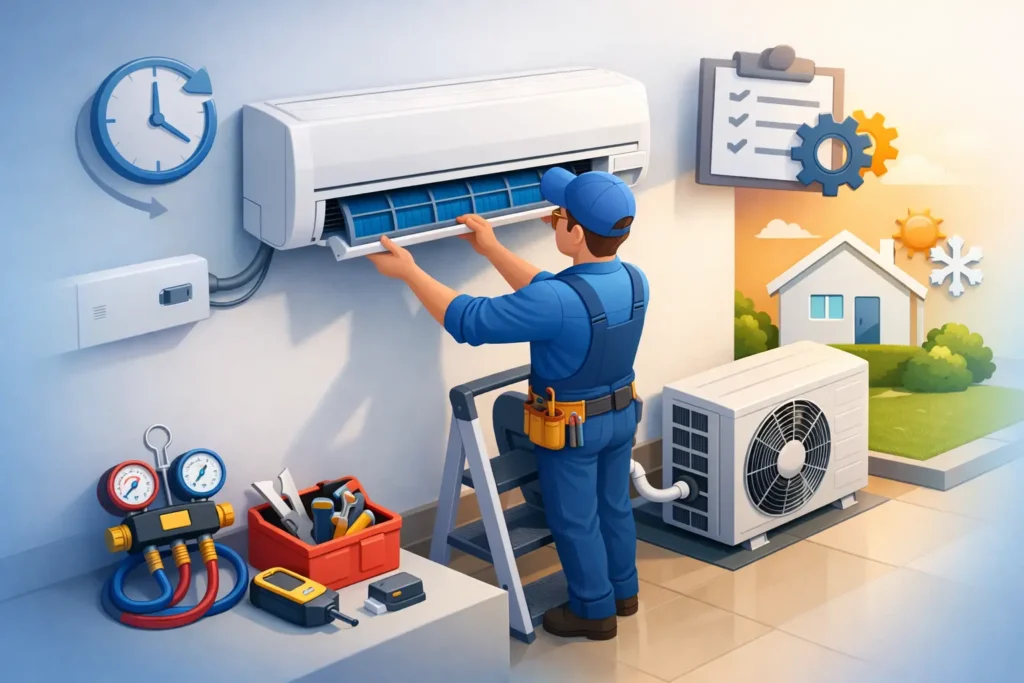
Most air conditioners fail at the least convenient time: during a heat wave, when the system has been working hardest for days. Seasonal maintenance cannot prevent every failure, but it gives a technician an opportunity to spot wear, clean key components, check drainage, inspect electrical connections, and confirm the system is operating as it should.
Homeowners can support that work by changing filters regularly, keeping the outdoor unit clear, and paying attention to changes in performance. Filter timing varies by household. Homes with pets, renovations, or higher dust levels may need more frequent checks than homes with lighter use.
For rental properties and commercial spaces, proactive service can be even more valuable. Cooling failures affect tenants, customers, equipment, and day-to-day operations. Keeping service records also makes it easier to track recurring issues and plan replacement before an aging unit becomes an emergency expense.
Get Clear Answers Before the Heat Builds
You should not have to guess why your home is uncomfortable or agree to work you do not understand. A dependable AC service visit starts with careful diagnosis and a direct explanation of what is happening, what needs attention now, and what can be monitored. Easy Breezy HVAC Inc. provides certified service for homeowners and property owners across Toronto and the GTA, including help when an unexpected cooling issue cannot wait.
If your AC is showing early warning signs, arrange service before the next stretch of hot weather puts more strain on the system. A clear diagnosis today can protect your comfort, your equipment, and your budget tomorrow.