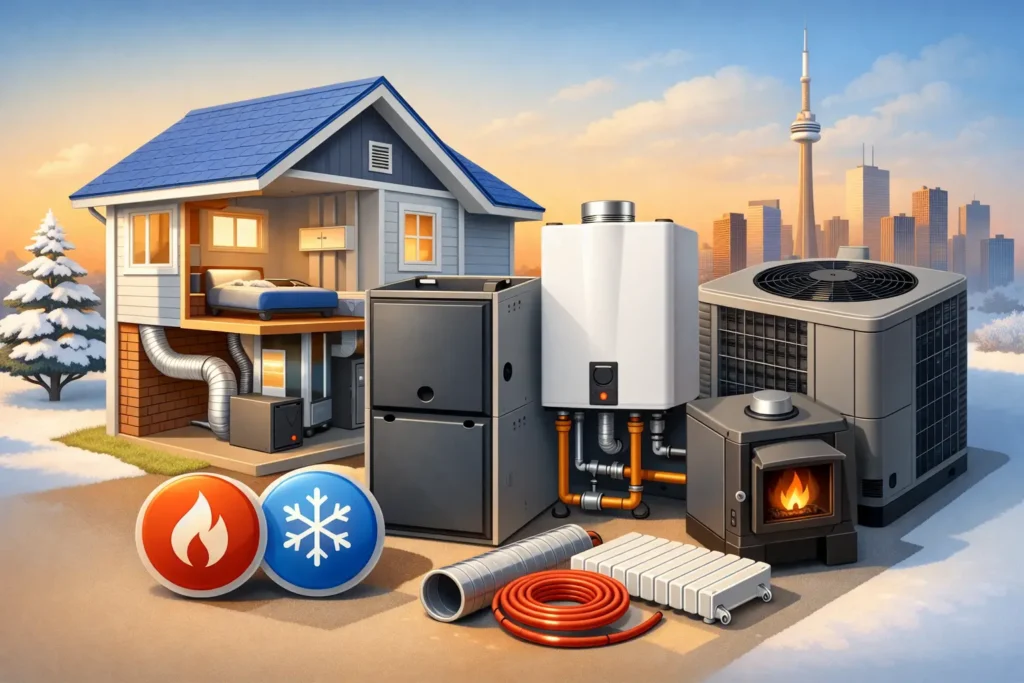
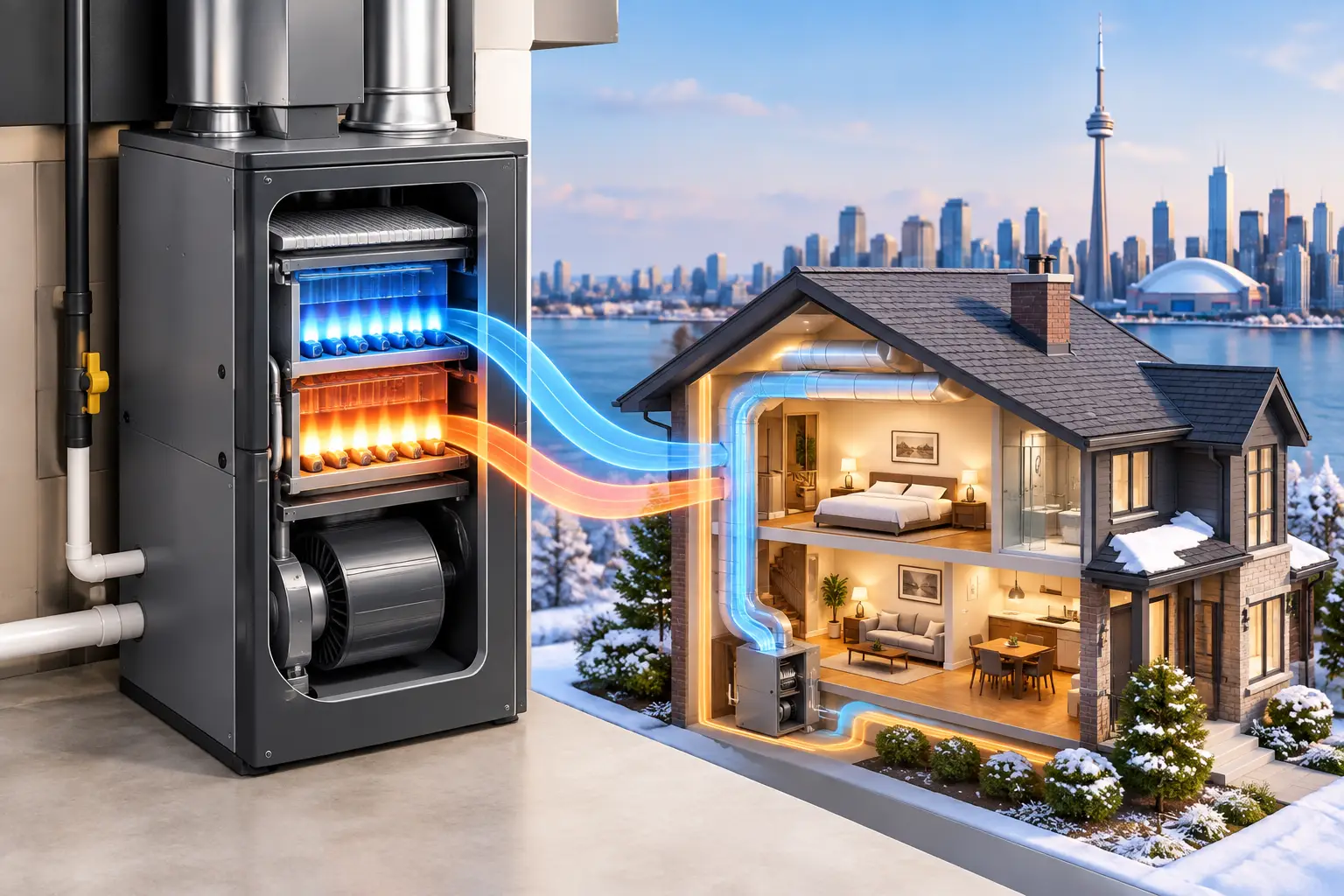
A furnace that blasts hot air for a few minutes, shuts off, and leaves the bedrooms cool is a common complaint in Toronto-area homes. This two stage furnace review looks at whether a two-stage model solves that problem, what it costs in real-world comfort, and when a simpler furnace is still the smarter purchase.
For many GTA homeowners, a two-stage gas furnace is a worthwhile middle ground. It offers noticeably steadier heat than a single-stage unit without the higher upfront cost and added controls often associated with premium modulating equipment. But the furnace itself is only part of the decision. Correct sizing, ductwork, thermostat setup, and installation quality determine whether you actually feel the difference.
What a two-stage furnace does differently
A single-stage furnace has one output setting: full heat. When the thermostat calls for heat, the burner operates at 100 percent capacity until the set temperature is reached. It then turns off. This is a straightforward design and can work well in smaller, well-insulated homes with even airflow.
A two-stage furnace has a low and high heating setting. During most heating calls, it runs on the lower stage, commonly around 60 to 70 percent of full capacity. If the home needs more heat because outdoor temperatures drop sharply or the temperature is well below the thermostat setting, it moves to high stage.
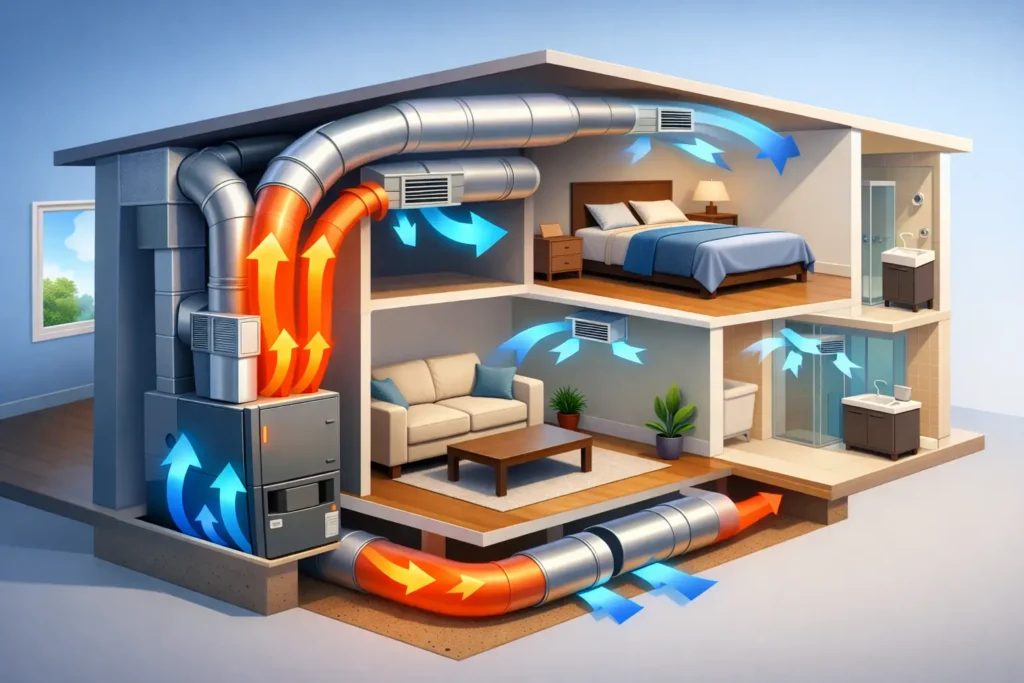
That lower setting lets the system run longer and more gently. Instead of quick bursts of very warm air followed by periods when rooms begin to cool, it delivers heat over a longer cycle. The result is usually more even room temperatures, fewer noticeable swings, and quieter operation.
Two stage furnace review: the benefits homeowners notice
The biggest benefit is comfort, not a dramatic change to your monthly gas bill. Long, lower-output cycles help warm the home more evenly. This can be especially useful in two-storey houses, homes with open main floors, and properties where certain rooms often lag behind the thermostat location.
A two-stage furnace can also reduce the feeling of hot and cold cycling. With a single-stage unit, the area near the thermostat may heat quickly, causing the furnace to shut off before more distant rooms catch up. Low-stage operation gives air more time to circulate through the duct system.
Noise is another practical advantage. Low-stage burner operation and lower blower speeds are generally less noticeable than repeated full-capacity starts. Homeowners with furnace rooms near bedrooms, family rooms, or finished basements often appreciate this difference.
There may be some efficiency benefit as well, particularly when a properly sized furnace avoids frequent starts and stops. Still, do not choose a two-stage furnace expecting it to cut heating costs in half. Annual Fuel Utilization Efficiency, or AFUE, remains a more direct measure of fuel efficiency. A high-efficiency single-stage furnace can have an AFUE rating similar to a high-efficiency two-stage model.
The trade-offs to consider before buying
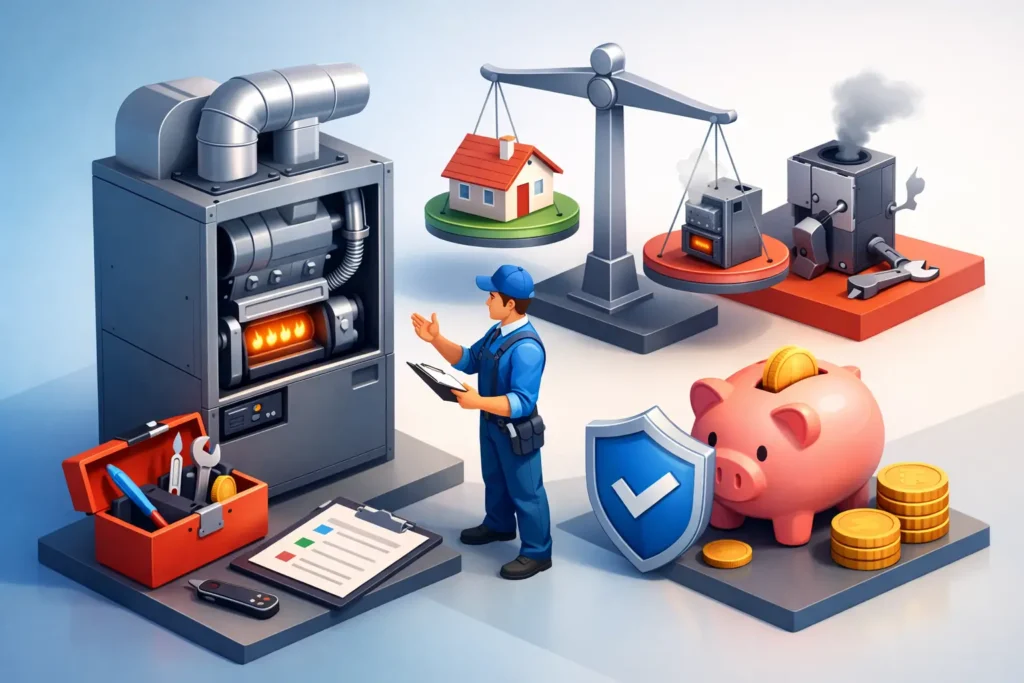
A two-stage furnace costs more than a comparable single-stage model. The price difference varies by brand, capacity, warranty, blower motor, venting requirements, and installation details. It can be a sensible investment for a long-term home, but it is not automatically the best value for every property.
The controls matter, too. Some furnaces can manage staging with a standard thermostat and internal timer logic. Others perform best with a compatible two-stage thermostat. A thermostat that is poorly configured may call for high heat too quickly, reducing the comfort advantage you paid for.
There is also a common misconception that two-stage and variable-speed mean the same thing. They do not. Two-stage refers to burner output. Variable-speed refers to the blower motor’s ability to adjust airflow more precisely. Many higher-end furnaces combine both features, and that combination can improve comfort and quiet operation further. However, a two-stage furnace with a standard blower can still be a good upgrade over a basic single-stage system.
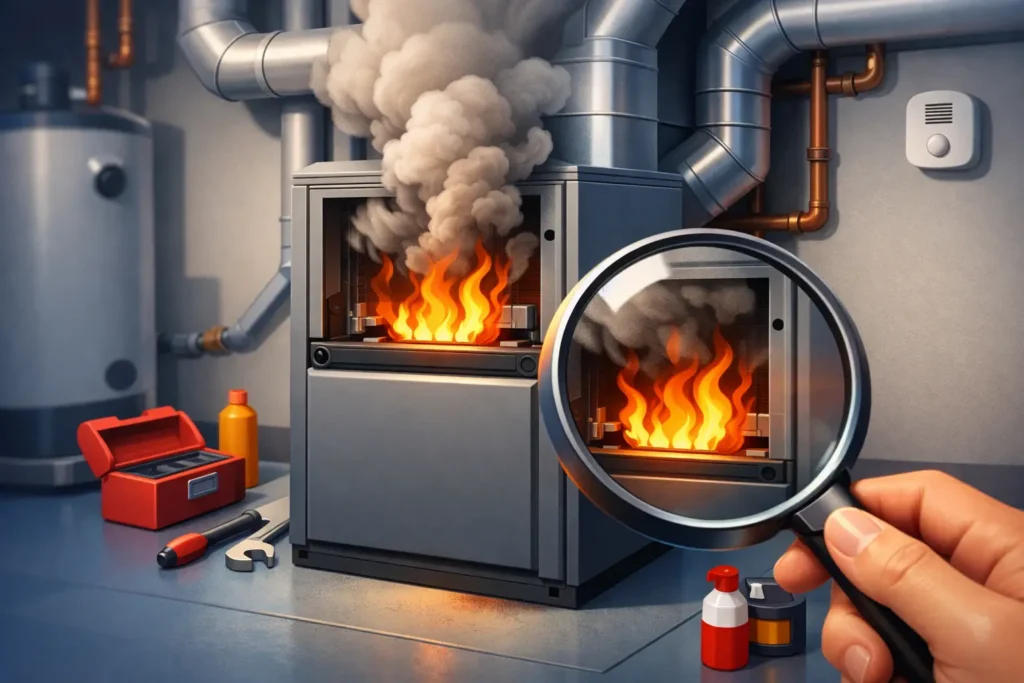
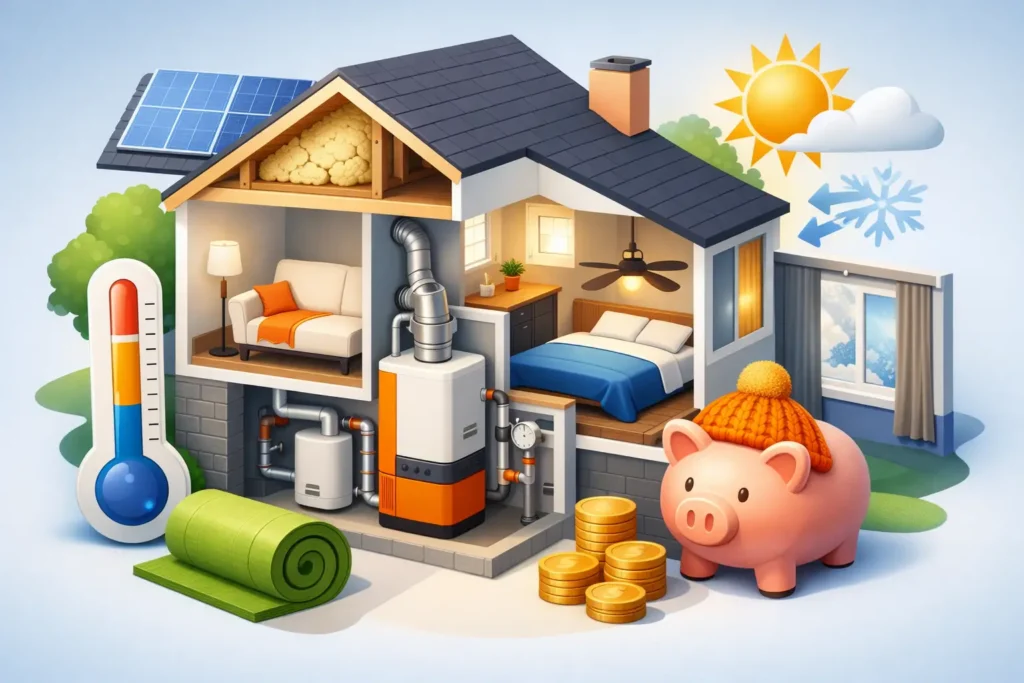
Finally, a two-stage furnace cannot compensate for major building or airflow problems. Leaky ducts, blocked returns, poor attic insulation, inadequate basement insulation, and undersized supply ducts can all create uneven heating. If one room is consistently cold, a proper assessment should identify the cause before the furnace is selected.
Is a two-stage furnace right for your GTA home?
A two-stage model is often a strong fit for medium to large detached homes, houses with more than one level, and homes where comfort varies from room to room. It also makes sense for homeowners replacing an older furnace that feels loud, cycles frequently, or creates noticeable temperature swings.
It is particularly worth considering if you plan to stay in the home for several years. The ongoing comfort improvement is easier to value when you will live with the system through multiple heating seasons.
A single-stage furnace may still be the right choice for a compact condominium, a smaller bungalow with balanced ductwork, a rental property with a tight replacement budget, or a home where the current issue is clearly unrelated to furnace capacity. Simple equipment is not bad equipment when it is correctly selected and installed.
For homes with significant comfort concerns, a modulating furnace may also enter the conversation. Modulating units make smaller output adjustments than two-stage models and can maintain very stable indoor temperatures. They usually cost more, so the decision comes down to budget, how long you expect to remain in the home, and how much control you want.
Sizing matters more than most furnace features
The wrong furnace size can erase the advantages of a two-stage system. An oversized furnace reaches the thermostat setting too quickly, runs shorter cycles, and may never spend enough time on low stage to improve temperature balance. It can also increase wear from frequent cycling.
An undersized furnace may run continuously during severe cold and struggle to maintain the desired indoor temperature. Toronto winters demand careful sizing, but “bigger is better” is not the answer.
A qualified installer should assess the home’s square footage, insulation, windows, air leakage, layout, existing ductwork, and heat loss. They should also consider whether renovations, a new addition, finished basement space, or upgraded windows have changed the home’s heating needs since the previous furnace was installed.
This is why replacing an old 100,000 BTU furnace with another 100,000 BTU furnace based only on the existing nameplate is risky. Older furnaces were often oversized, and a high-efficiency replacement may require a different capacity.
Installation details that affect performance
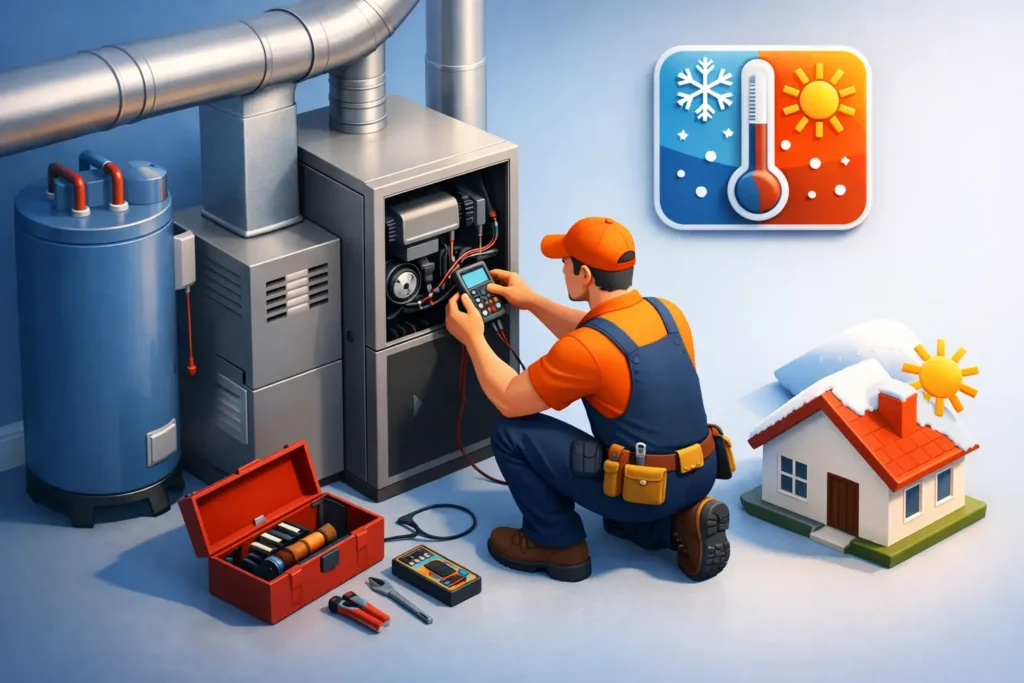
A high-efficiency two-stage furnace needs more than a quick equipment swap. Proper venting, condensate drainage, gas piping, electrical connections, airflow settings, and thermostat wiring all affect safety and performance. The installer also needs to confirm that return-air capacity and supply ducts can support the equipment.
Ask for a clear explanation of the model being installed, the furnace capacity, its AFUE rating, and how the staging will operate. You should also understand what is included in the installation price, whether permits are required, and what labour warranty protects the work after installation.
At Easy Breezy HVAC, the goal is to make those details clear before work begins, not after the old furnace has been removed. A visible equipment option and transparent installation scope help homeowners compare practical choices without guessing what is included.
What to expect from cost and savings
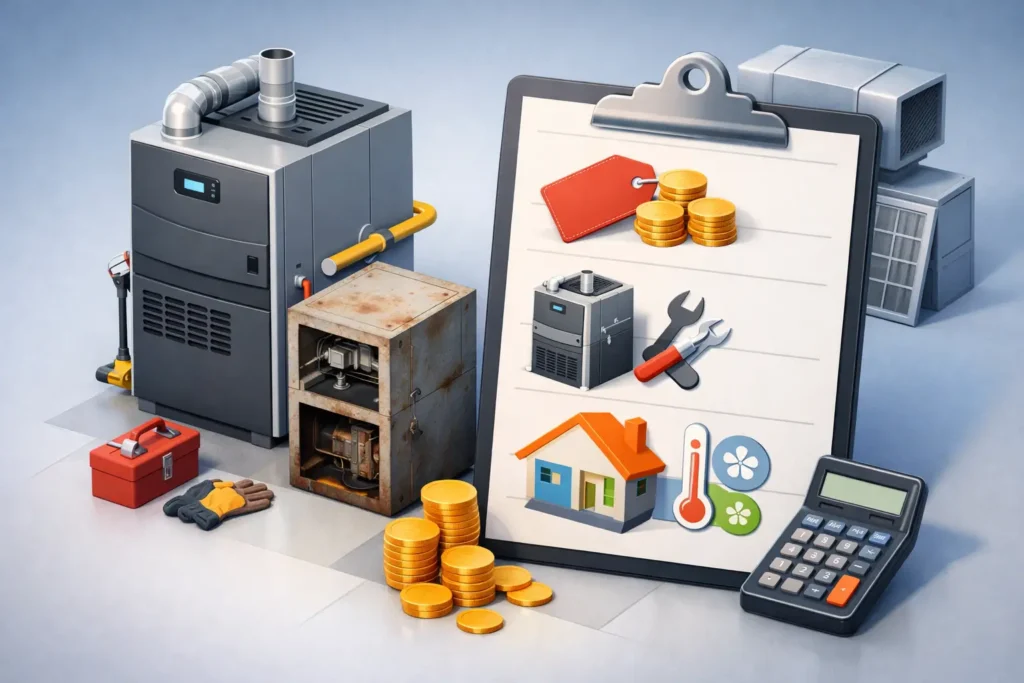
The installed price of a two-stage furnace depends on more than the furnace cabinet. High-efficiency venting changes, electrical upgrades, thermostat replacement, duct modifications, condensate pumps, access limitations, and removal of old equipment can affect the final scope.
Rather than focusing only on the lowest quoted price, compare like for like. Confirm the exact model, AFUE rating, BTU capacity, blower type, thermostat, installation materials, warranty coverage, and any work excluded from the price. A low initial quote can become less attractive if essential items appear later as extras.
Savings depend on what you are replacing. Moving from an old mid-efficiency furnace to a modern high-efficiency model can reduce gas use meaningfully. Moving from one modern 96 percent AFUE furnace to another with a similar rating may produce modest utility savings, while the comfort improvement is more noticeable.
A practical decision for winter comfort
A two-stage furnace is not a magic fix, but it is one of the most sensible upgrades for homeowners who want steadier, quieter heat without moving to the highest-priced furnace category. Choose it for better day-to-day comfort, then protect that investment with correct sizing and certified installation.
Before approving a replacement, ask how the proposed furnace will handle your home’s actual heat loss and airflow. The right answer should be clear enough that you know what you are buying, why it fits your home, and what comfort improvement you can reasonably expect.