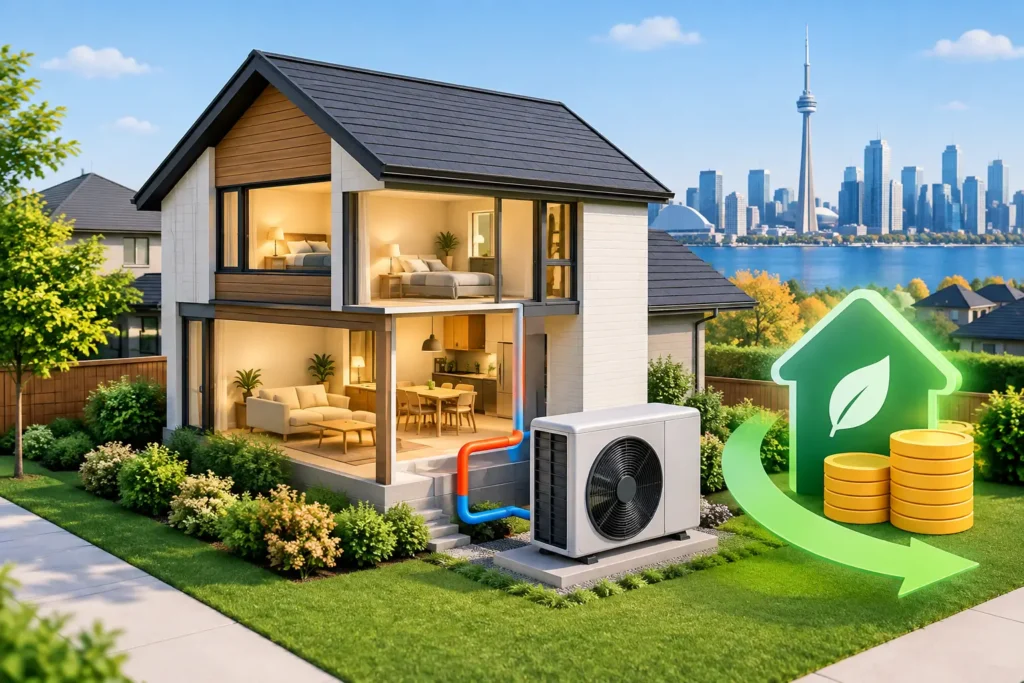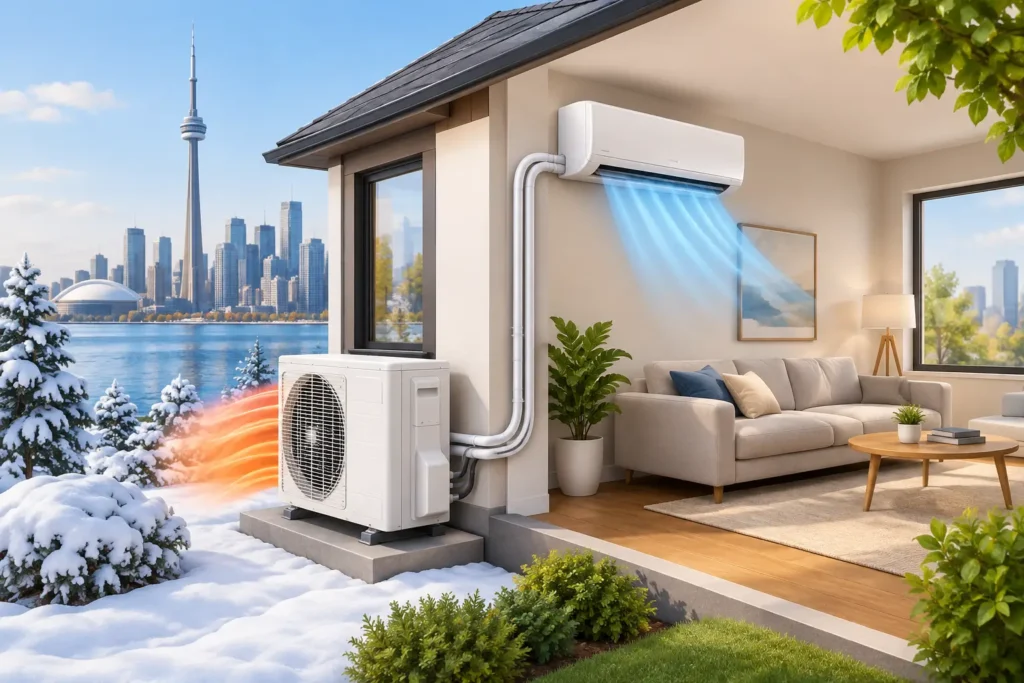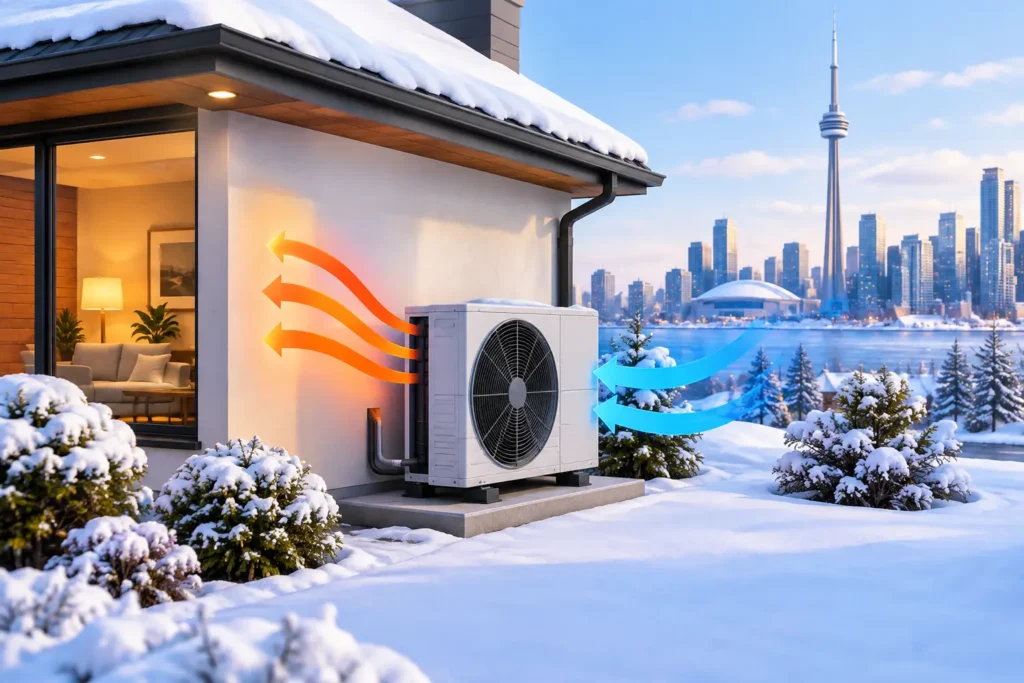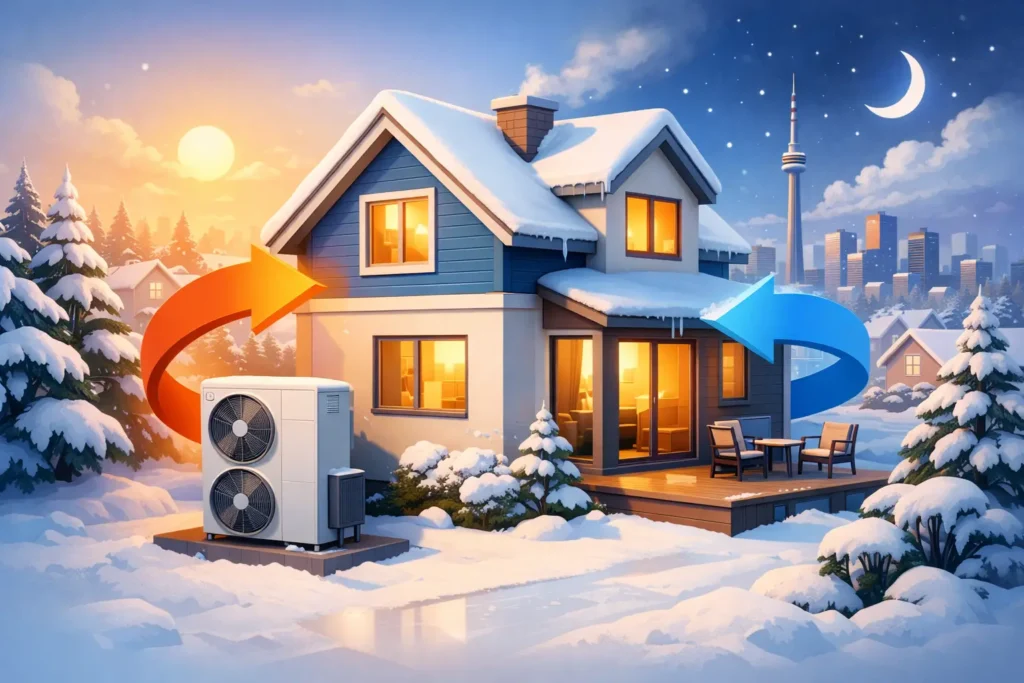
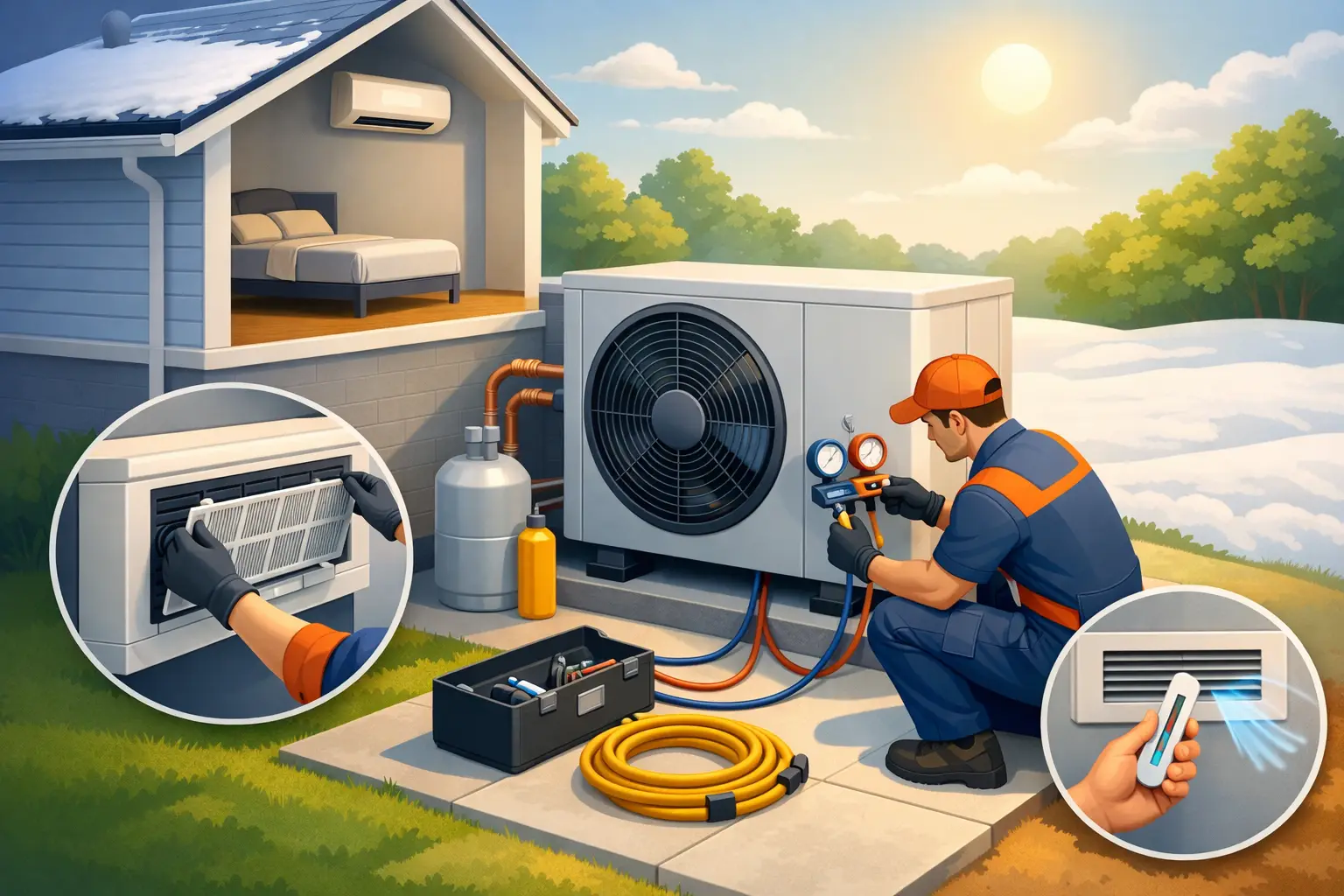
A heat pump in the GTA works hard. It may cool your home through humid July weather, heat it during a January cold snap, and run for long stretches in between. If you are searching for how to maintain heat pump equipment, the goal is not complicated: keep airflow clear, watch for changes in performance, and arrange professional service before a small issue becomes a no-heat call.
Regular care helps protect comfort, energy use, and equipment life. It also gives you a better chance of catching drainage, electrical, refrigerant, or airflow problems while they are still straightforward to repair.
Why Heat Pump Maintenance Matters in the GTA
Unlike a furnace that mainly works in winter and an air conditioner that mainly works in summer, a heat pump can operate year-round. That makes routine maintenance especially worthwhile. Dirty filters, blocked outdoor coils, and restricted vents force the system to work harder to move heat, whether it is bringing warmth indoors or removing heat from your home.
Ontario weather adds another challenge. Leaves, snow, ice, road salt, cottonwood fluff, and heavy rain can affect the outdoor unit. Indoors, dust, pet hair, renovations, and closed supply vents can reduce the airflow your system needs. None of these issues automatically means your heat pump is failing, but leaving them unaddressed can lead to higher hydro bills, uneven temperatures, and unnecessary wear.
Maintenance does not prevent every repair. Parts can still fail, and a system that is incorrectly sized or poorly installed may have performance limits from day one. But a well-maintained heat pump gives a technician a clearer baseline and gives your household more dependable comfort.
How to Maintain a Heat Pump Between Service Visits
Most homeowner maintenance is simple and safe. The key is consistency rather than taking apart the equipment. Before inspecting the outdoor unit, turn the system off at the thermostat if you need to work close to it. Do not remove electrical panels or attempt to clean internal components with high-pressure water.
Keep the outdoor unit clear
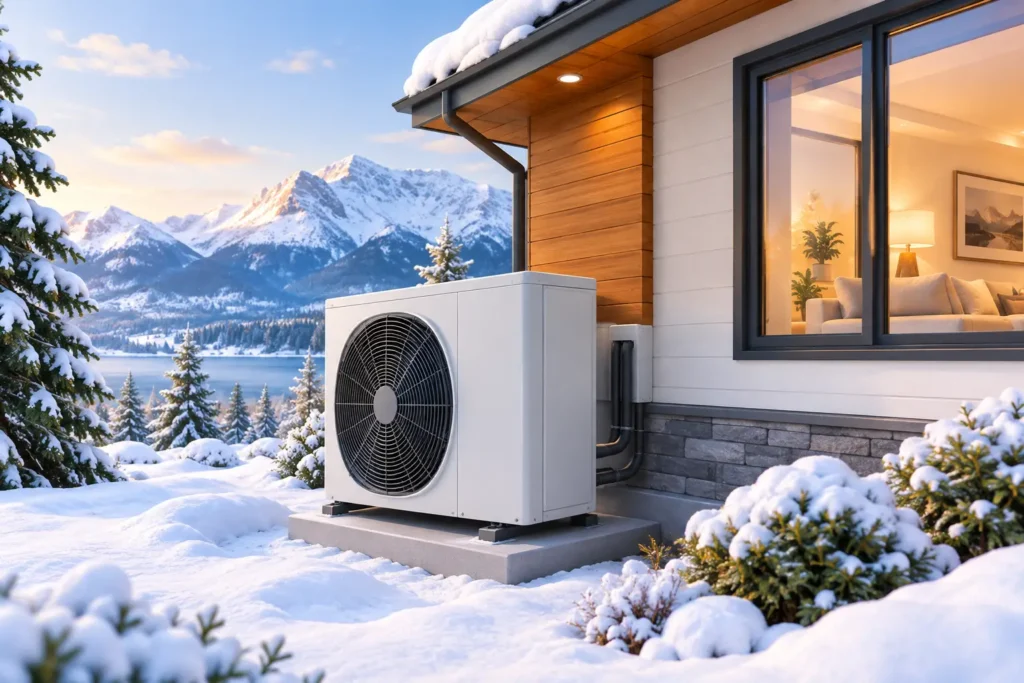
Your outdoor heat pump needs room to pull air through its coil and release it. Check it monthly and after major storms. Remove leaves, grass clippings, loose debris, and any items stored nearby. Trim shrubs and plants back so they do not crowd the unit. A clear area of roughly 60 cm around the sides is a practical target, while keeping the space above the unit open as well.
In winter, gently clear away snow that is blocking the sides or top of the unit. Do not chip ice from the coil or use sharp tools. Ice can be part of normal operation during certain conditions, because heat pumps regularly enter a defrost cycle. However, thick or persistent ice that does not clear after defrosting deserves a service call. It may point to a drainage, sensor, fan, or refrigerant issue.
Avoid covering the outdoor unit with a solid cover while it is operating. A heat pump needs airflow in every season. If branches or roof runoff repeatedly dump snow and ice onto the unit, ask a qualified technician about practical protection that will not restrict operation.
Check and replace the air filter
A clogged air filter is one of the most common and preventable causes of weak airflow. Check the filter every month, particularly if you have pets, allergies, ongoing renovations, or a busy household. Replace disposable filters when they are visibly dirty or according to the filter and equipment manufacturer’s guidance. Washable filters should be cleaned, completely dried, and reinstalled correctly.
Do not assume that a higher-rated filter is always better. Some dense filters can reduce airflow if your system was not designed for them. If you are unsure which filter is suitable, note the size and rating of your current filter and ask during your next maintenance visit. The right choice balances filtration with the airflow your heat pump needs.
Keep indoor airflow open
Walk through the home a few times each year and make sure supply and return vents are not blocked by furniture, rugs, curtains, or boxes. Closing several vents to force more heat into one room often creates a different problem: it restricts the overall airflow through the system. That can make some rooms less comfortable and place extra strain on the equipment.
If one floor is consistently warmer or colder than another, the cause may be ductwork, insulation, thermostat placement, system settings, or equipment capacity. Start by checking filters and vents, then have the system assessed instead of continually adjusting the thermostat.
Use the thermostat sensibly
Heat pumps generally perform best with steady, moderate settings. Large temperature setbacks can make the system run for extended periods to recover, and may bring on auxiliary electric heat in some setups. That backup heat can be useful during severe cold, but it is typically more expensive to operate.
You do not need to avoid all schedule changes. A modest overnight adjustment may suit your household. The best settings depend on your equipment, home insulation, and electricity rates. If you notice auxiliary or emergency heat operating often in mild weather, arrange a service assessment.
A Seasonal Heat Pump Maintenance Routine
Spring is a good time to prepare for cooling. Replace or inspect the filter, clear debris from around the outdoor unit, and confirm that cool air is moving from supply vents. Check the condensate drain area indoors for signs of water, staining, or musty odours. A plugged drain can cause leaks and may shut down some systems.
Before winter, repeat the filter and outdoor-unit checks. Make sure the unit is level, with no obvious damage to the coil or refrigerant lines. Keep the path to the outdoor unit accessible so snow can be cleared safely after storms. If your system has a backup furnace or electric heat source, have it tested as part of routine professional maintenance.
During the heating season, pay attention to normal operation. The outdoor fan may stop during defrost, and you may see steam rise from the unit. Those signs can be normal. What is not normal is loud grinding, repeated tripping of breakers, a burning smell, a unit that runs but does not heat, or ice that builds up and stays in place.
What a Certified Technician Should Handle
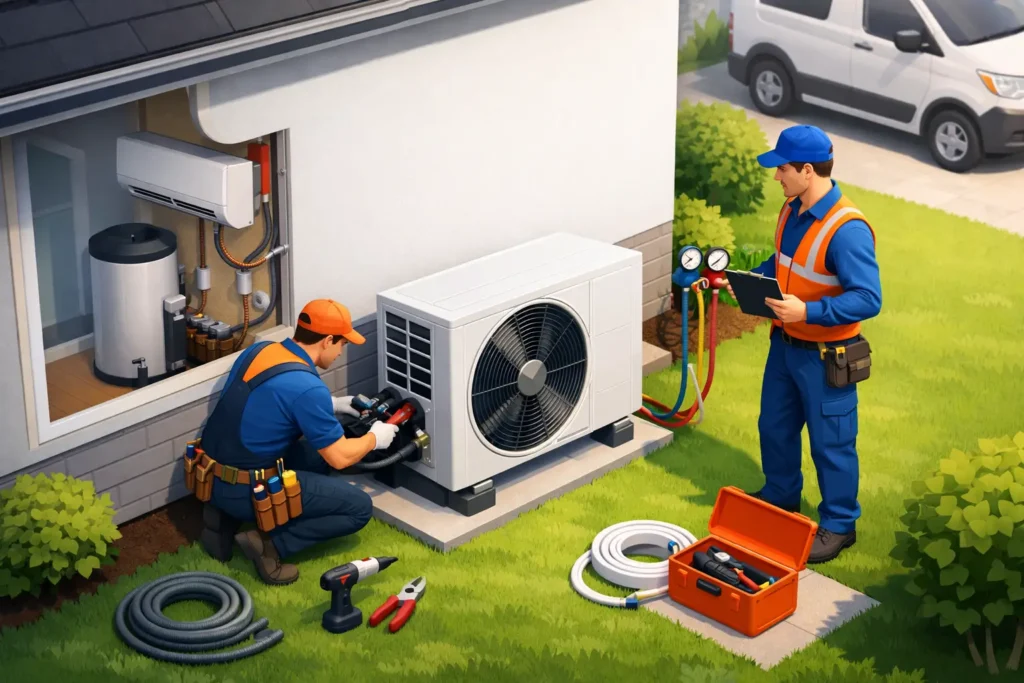
Professional heat pump maintenance goes beyond a visual check. A certified technician can inspect electrical connections, test controls and safety devices, measure system operation, assess refrigerant performance, clean coils properly, inspect the condensate system, and identify worn components before they fail.
Refrigerant work is not a DIY task. If your heat pump is low on refrigerant, it has a leak that needs to be found and repaired. Adding refrigerant without addressing the cause is not a proper fix. Likewise, electrical testing, capacitor replacement, compressor diagnosis, and opening sealed equipment panels should be left to qualified professionals.
For most homes, annual maintenance is a sensible minimum. Some systems benefit from two visits a year, especially when the same heat pump handles both heating and cooling, the home has pets, or the equipment operates heavily. A maintenance appointment before the main heating season can be particularly useful in Toronto, Mississauga, Brampton, Vaughan, and Markham, where cold weather puts heat pumps to work quickly.
Signs Your Heat Pump Needs Service Sooner
Do not wait for the annual visit if performance changes suddenly. A service call is warranted when your home is taking much longer to heat or cool, rooms become noticeably uneven, energy costs rise without an obvious reason, or the system repeatedly turns on and off.
Other warning signs include unusual rattling or buzzing, water around the indoor unit, frequent breaker trips, weak airflow with a clean filter, and thermostat messages that do not clear. Call promptly if you smell burning, hear grinding, or lose heating during cold weather. Turning the system off and arranging qualified help can prevent further damage.
Easy Breezy HVAC technicians explain what they find before work begins, so you can understand whether the issue is routine maintenance, a repair, or a larger equipment concern. Clear recommendations matter when you are balancing comfort, timing, and budget.
A few minutes spent checking filters, vents, and the outdoor unit can make a real difference over the year. When something does not look or sound right, trust that observation and have it checked early – your heat pump is easier to maintain when it is still working, not when your home is already cold.