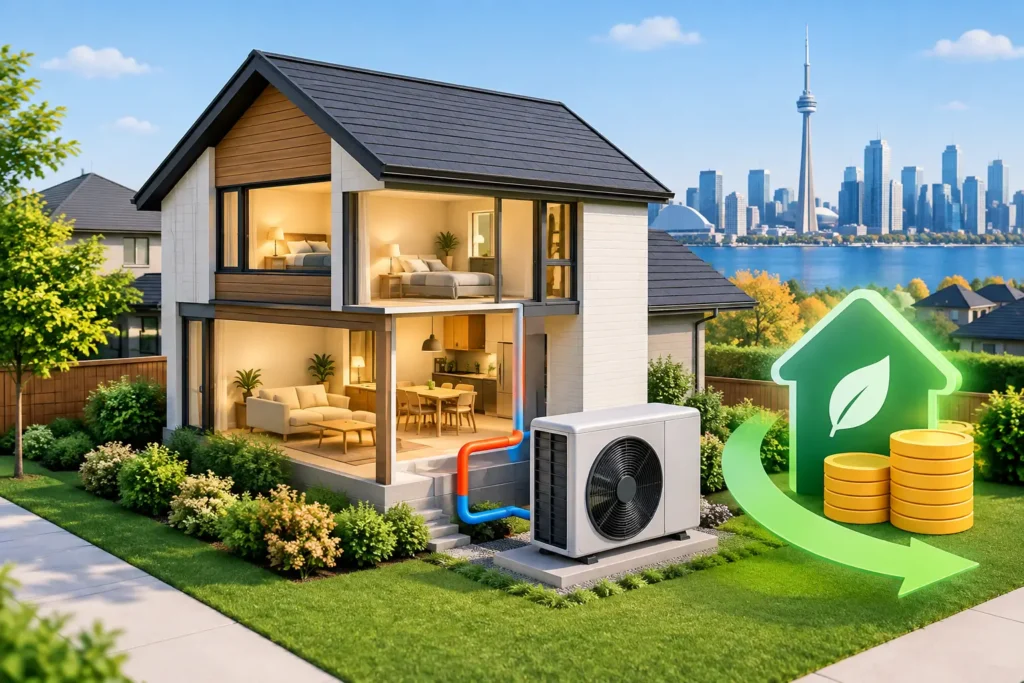

A heat pump can lower your reliance on fossil fuels, provide both heating and cooling, and make an aging furnace or air conditioner replacement feel like a smarter long-term investment. But rebates can change the numbers significantly – if you choose eligible equipment, follow the program rules, and apply in the right order. This guide to heat pump rebates is designed to help Toronto and GTA homeowners sort through the practical details before committing to an installation.
Start With the Rebate, Not the Equipment
The most common rebate mistake happens before a contractor is even booked: a homeowner buys equipment first and checks eligibility later. Many programs require pre-approval, a home energy assessment, specific product certification, or installation by a qualified contractor. If one requirement is missed, a system that is efficient and professionally installed may still not qualify.
Before comparing heat pump models, identify the programs currently available for your address. In Ontario, opportunities may come from provincial energy-efficiency initiatives, local electricity providers, natural gas utilities, municipal programs, or federal programs when funding is available. Some offers support cold-climate air-source heat pumps, while others focus on replacing oil heating systems or improving a home’s overall energy performance.
Program funding, equipment lists, and rebate values can change without much notice. Treat advertised amounts as a starting point, not a guarantee. Confirm the current terms directly with the program administrator before placing an order or starting work.
Which Heat Pump Rebates May Apply?
Most homeowners will encounter one of three approaches. The first is an instant discount applied through a participating contractor. The second is a rebate claimed after installation, often after submitting invoices, model numbers, and proof of payment. The third is a whole-home program that may require an energy assessment before and after upgrades.
Each option has trade-offs. An instant incentive is simple and can reduce the upfront cost, but it may be limited to selected equipment or participating installers. A post-installation rebate may offer more choice, but homeowners need to keep careful records and wait for reimbursement. Whole-home programs can be valuable when you are also adding insulation, air sealing, or windows, though they involve more paperwork and a longer timeline.
Air-source heat pumps
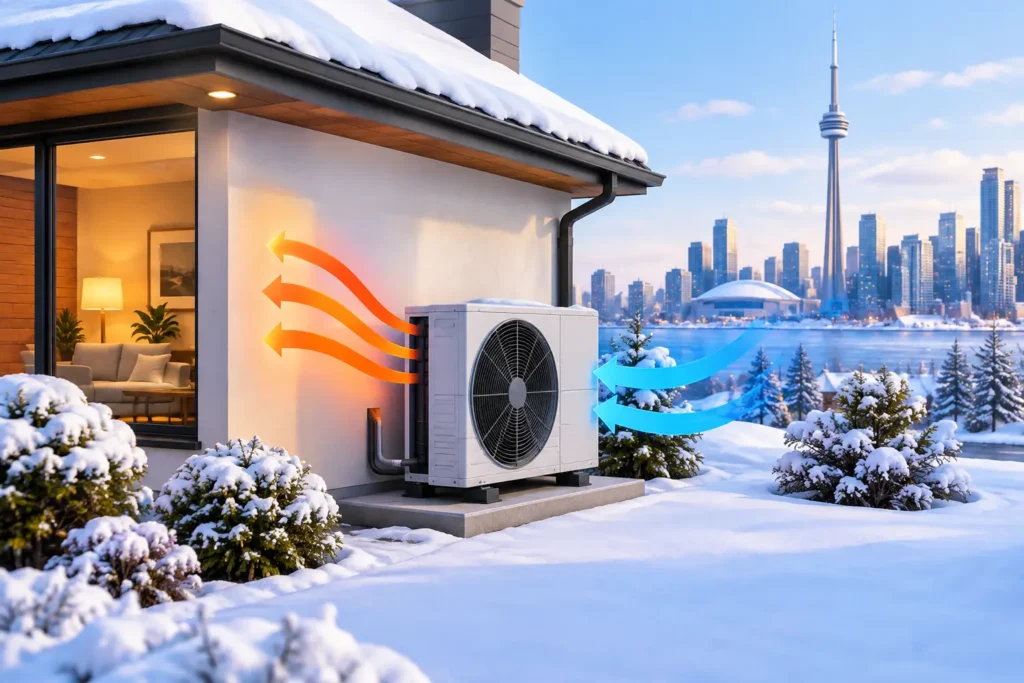
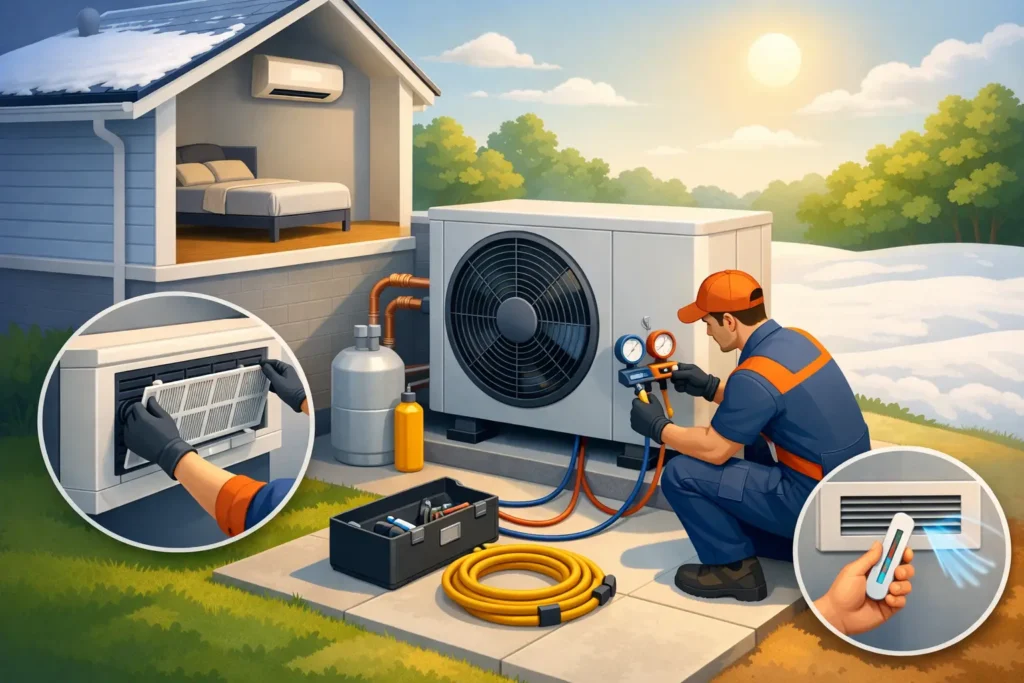
An air-source heat pump moves heat between your home and the outdoor air. Modern cold-climate models can operate effectively through much of an Ontario winter, although performance and capacity vary by model and outdoor temperature.
Rebates often require the heat pump to meet defined efficiency ratings and be listed as eligible under the applicable program. Do not assume that a familiar brand or a high-efficiency label is enough. The exact indoor and outdoor equipment combination may need to appear on an approved list.
Ductless mini-splits
A ductless heat pump can be a practical option for homes without existing ductwork, additions, converted garages, or rooms that never seem to heat or cool evenly. Eligibility rules can differ from central systems, particularly when a mini-split is being used as supplemental comfort equipment rather than the primary heating source.
If your goal is to replace a furnace, clarify whether the program requires a whole-home heating solution. A single-head ductless unit may improve one area of the home but may not meet a rebate’s primary-heating requirement.
Hybrid heat pump systems
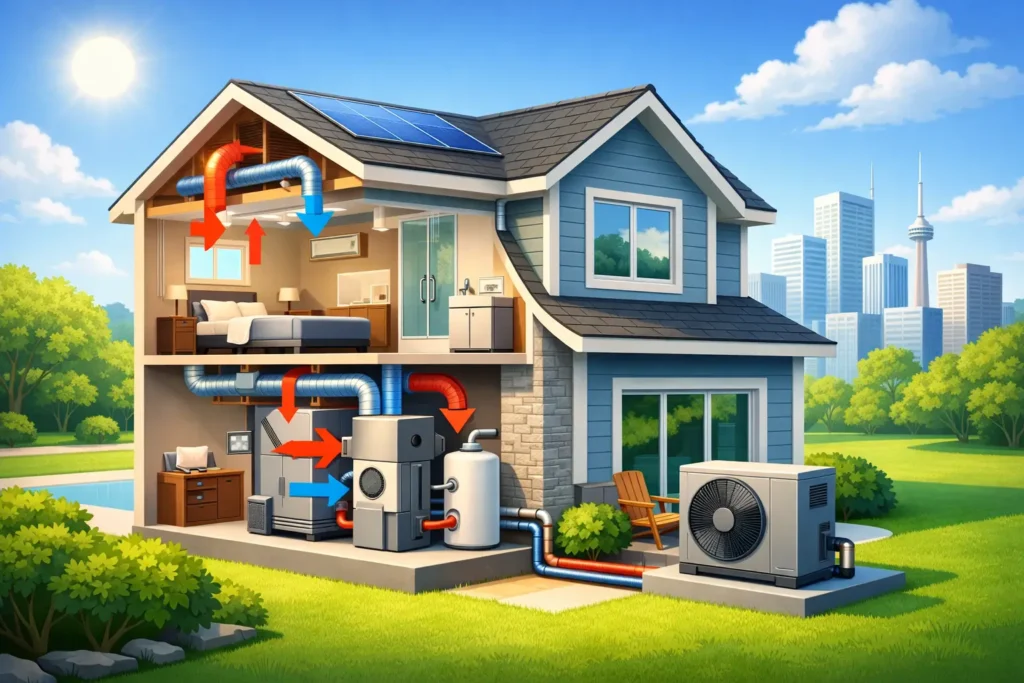
A hybrid system pairs a heat pump with a gas furnace. The heat pump handles heating during milder weather and provides air conditioning in summer, while the furnace can take over during very cold conditions or high-demand periods. For many GTA homes, this can be a sensible balance of comfort, operating cost, and installation practicality.
However, not every incentive treats hybrid systems the same way. Some programs encourage electrification and have requirements around the remaining fossil-fuel equipment. Others accept a dual-fuel approach. Ask how the system will be configured and whether that configuration qualifies before approving the work.
Eligibility Details That Can Affect Your Claim
A rebate is not simply a discount for owning a heat pump. Programs usually assess the home, the homeowner, the equipment, and the installation.
First, confirm that you own the property and that it is an eligible home type. Detached homes, townhomes, and certain condos may be treated differently. Landlords, newly built homes, and homes under renovation can also face separate rules.
Next, verify the proposed equipment. Record the manufacturer, outdoor unit model, indoor unit or coil model, furnace model if applicable, and thermostat details. Heat pumps are matched systems. A qualifying outdoor unit paired with a different coil or air handler may not retain the same efficiency rating or rebate eligibility.
Installation timing matters as well. Some programs require registration before installation. Others require the work to be completed within a fixed window after approval. Keep your signed proposal, itemized invoice, proof of payment, permit documents where required, and any assessment reports in one place.
Finally, check whether incentives can be combined. Stacking rebates is sometimes allowed, sometimes restricted, and sometimes limited so the total funding cannot exceed a percentage of the project cost. Never assume two offers can be claimed together because they are advertised by different organizations.
How to Compare the Real Cost of a Heat Pump
A rebate should improve a good replacement decision, not force a poor one. The lowest-priced system may have a lower initial cost but may be undersized, poorly matched to the home, or unable to deliver the comfort you expect in cold weather. On the other hand, the most expensive system is not automatically the best fit.
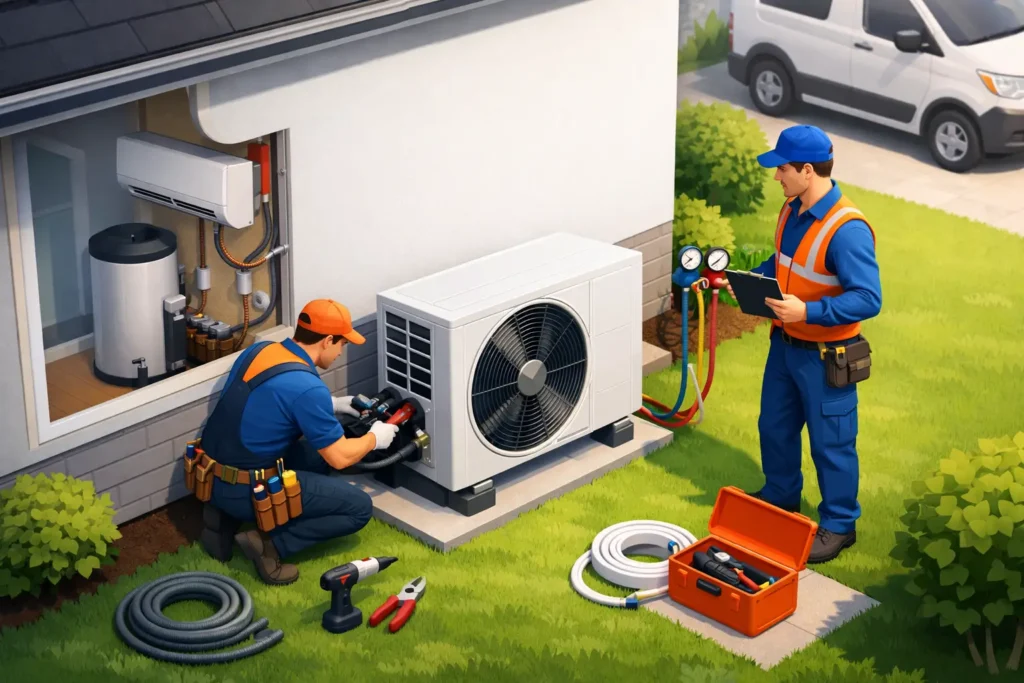
Ask for a clear installed price that separates the equipment from necessary work such as electrical upgrades, pad installation, line-set changes, duct modifications, condensate drainage, thermostat upgrades, and removal of old equipment. This makes it easier to understand both your out-of-pocket cost and which portions may be eligible for funding.
It is also worth comparing expected operating costs. Electricity rates, natural gas pricing, the condition of your ductwork, insulation levels, and your family’s thermostat habits all affect savings. A heat pump may reduce annual energy use, but the financial result depends on how your home performs and whether you keep a furnace as backup.
Questions to Ask Before You Sign
A straightforward conversation with your contractor can prevent expensive surprises. Ask whether the exact proposed system is eligible for the specific rebate you are considering, not just whether “heat pumps” qualify generally. Ask who completes the paperwork, what documents you must provide, and whether the rebate is deducted upfront or paid later.
You should also ask how the system is sized. Proper sizing is based on the home’s heating and cooling needs, not simply the size of the existing furnace or air conditioner. A certified technician should consider the home’s layout, insulation, windows, ductwork, and comfort concerns before recommending a capacity.
For homeowners replacing an older furnace and air conditioner, discuss whether a central heat pump, a dual-fuel system, or ductless equipment makes the most sense. The right answer depends on the home, the existing equipment, and your priorities – not on the largest available rebate.
Avoid the Most Common Rebate Problems
Do not rely on verbal assurances alone. Get the proposed model numbers and installed scope in writing. A contractor should be able to explain what is included, what is not included, and any site conditions that could change the price.
Avoid making changes to the equipment selection after approval without checking the program rules again. Swapping a model because of inventory shortages can affect eligibility. The same applies if an installation is delayed beyond the claim deadline.
Be cautious with savings claims that sound too certain. No one can accurately promise a precise annual bill reduction without understanding your home and energy use. A dependable recommendation explains the likely benefits and the variables that may affect the result.
For GTA homeowners, a heat pump rebate is most useful when it supports a system that is properly selected, clearly priced, and built to keep your home comfortable through every season. Easy Breezy HVAC can help you review your replacement options, understand the installation scope, and choose equipment that makes sense before rebate deadlines or changing program rules create pressure.