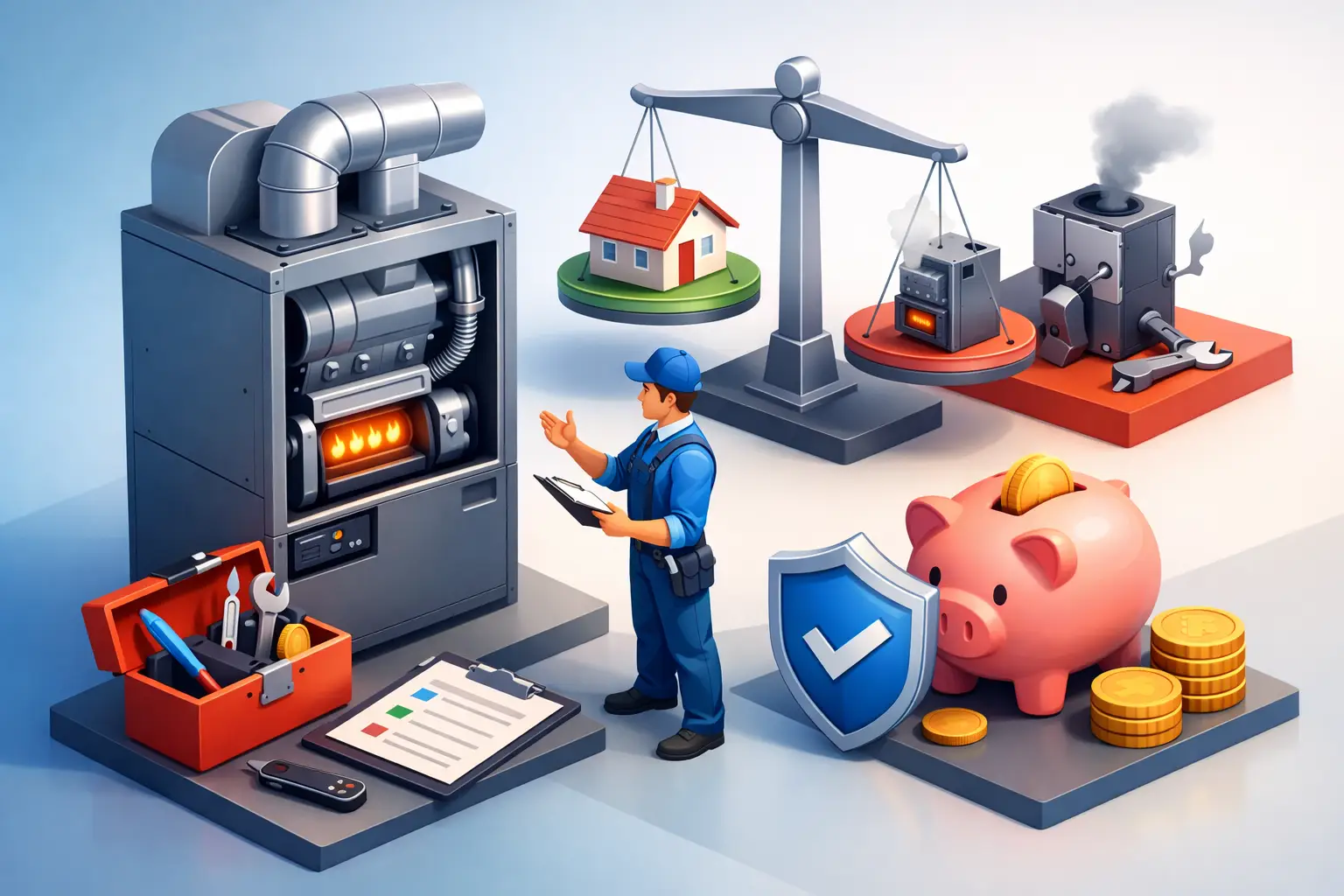
A furnace failure during a Toronto cold snap is rarely convenient. The house cools quickly, schedules get disrupted, and an unexpected repair bill can put pressure on the household budget. Furnace maintenance service plans are designed to make that situation less likely by putting routine professional care on a predictable schedule.
For many GTA homeowners, a plan is worthwhile not because it guarantees a furnace will never need repair, but because it helps identify wear, safety concerns, and efficiency issues before they turn into an urgent call. The value depends on the age of your furnace, the coverage included, and whether the plan provides service you would genuinely use.
What Furnace Maintenance Service Plans Usually Include
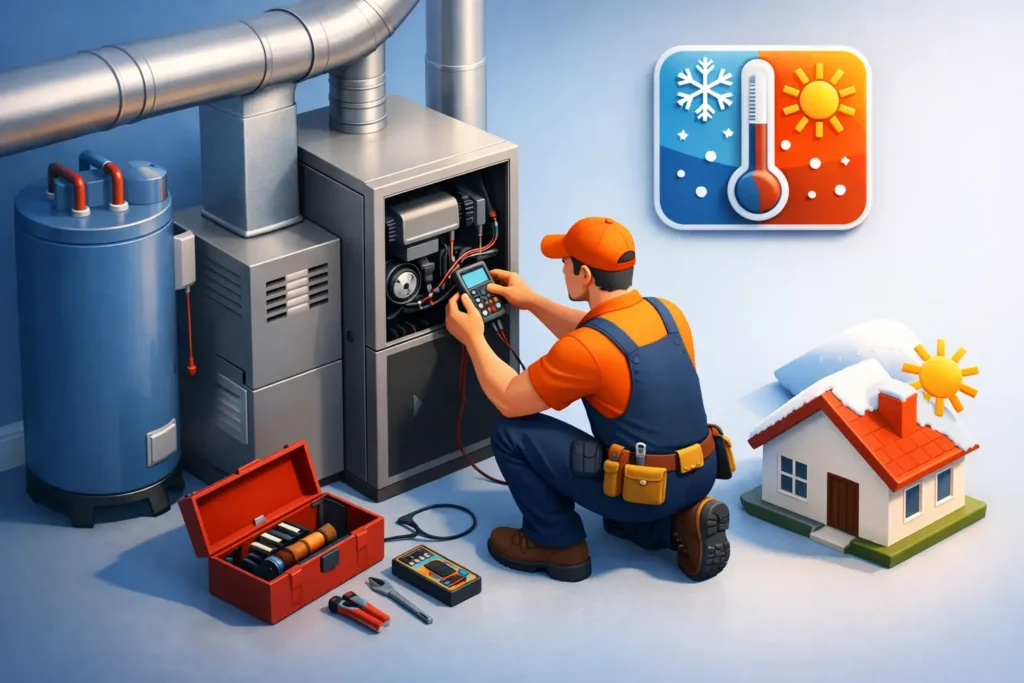
A maintenance service plan generally includes a scheduled annual furnace tune-up, often before or during the heating season. A certified technician inspects the furnace, checks its operation, cleans key components where appropriate, and looks for issues that could affect performance, safety, or reliability.
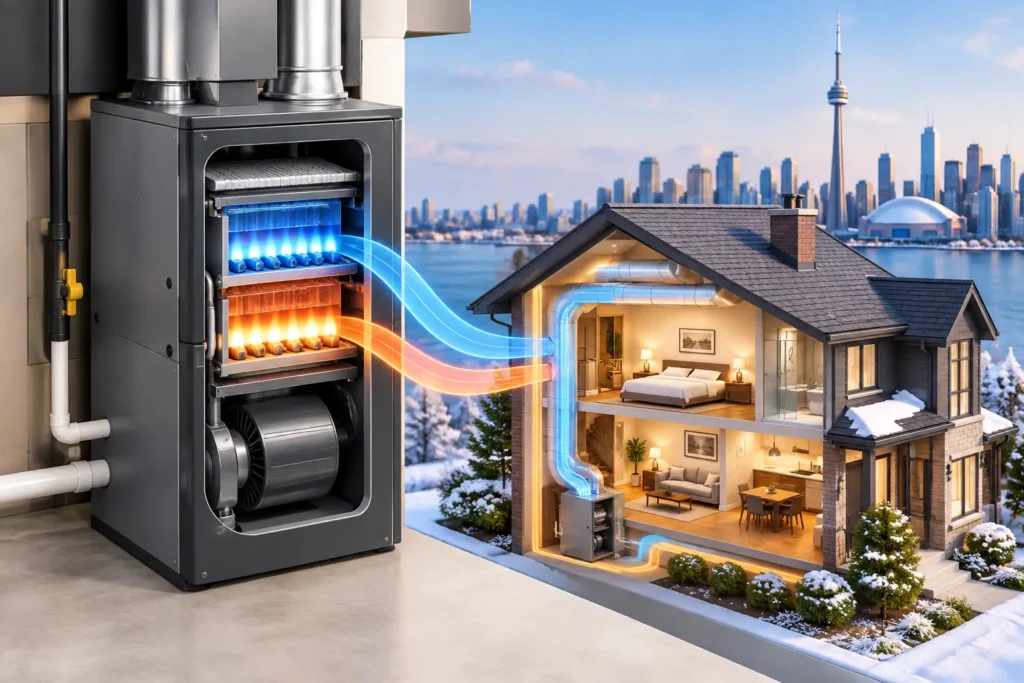
On a gas furnace, that visit may include checking the burners, heat exchanger area, ignition system, flame sensor, condensate drain, venting, blower operation, electrical connections, air filter condition, thermostat response, and temperature rise. The exact checklist varies by furnace model and service provider, especially for high-efficiency condensing furnaces.
Some plans also include priority scheduling, reduced diagnostic fees, or discounts on qualifying repairs. Those extras can be useful during a busy winter period, but they should not distract from the main question: is the actual maintenance thorough, clearly explained, and performed by a qualified technician?
A good visit should leave you knowing what was checked, what condition the furnace is in, and whether any work is recommended now or should simply be monitored. Homeowners should never feel pressured to approve a repair without a clear explanation of the issue and the cost.
Why Annual Furnace Care Matters in the GTA
Your furnace works through long heating seasons, often cycling more heavily during January and February. Dust buildup, a dirty filter, drainage issues, loose connections, and worn ignition components can all contribute to reduced comfort or a no-heat call when the system is under stress.
Annual maintenance can catch smaller concerns early. For example, a technician may find a clogged condensate drain before it causes a high-efficiency furnace to shut down, or notice an igniter showing signs of wear before it fails on a cold night. These are not dramatic repairs when found early, but they can become disruptive if ignored.
Maintenance also supports efficient operation. A furnace cannot overcome every source of high heating bills – poor insulation, air leaks, outdated windows, and thermostat settings all matter – but a properly operating furnace is less likely to waste energy because of restricted airflow or an unresolved mechanical issue.
Safety is another reason to keep up with service. Gas furnaces involve combustion, venting, and electrical components. A professional inspection is not a replacement for carbon monoxide alarms, which every home should have in the appropriate locations, but it is a sensible part of maintaining a safe heating system.
When a Service Plan Makes the Most Sense
A service plan can be particularly practical for homeowners who prefer predictable maintenance instead of having to remember to book it every year. It also suits busy families, landlords with a rental property, and households with a furnace that is out of the initial manufacturer coverage period.
Older furnaces often benefit from closer attention because parts gradually wear and repairs become more likely. That does not mean every older unit should be replaced immediately. If the furnace is heating reliably, repair costs are reasonable, and the system is in good condition, ongoing maintenance may help extend its useful life.
For a newer furnace, annual care can still be worthwhile. Many manufacturers require regular professional maintenance to support warranty expectations, and a new system still needs clean airflow, correct drainage, and safe combustion. Keep your service records, invoices, and any written inspection notes in one place.
The decision is more personal when your furnace is near the end of its expected service life. A plan may help you avoid surprises while you plan for replacement, but it will not make an aging furnace new again. If repairs are becoming frequent or expensive, ask for an honest comparison between repairing the current unit and installing a more efficient replacement.
What to Check Before You Sign Up
Not all plans provide the same value. Read what is included rather than relying on a plan name or a low monthly price. The best option is one that is easy to understand and matches the needs of your equipment and household.
First, confirm how often maintenance is included and whether the company contacts you to schedule it. A plan that includes one annual visit is only useful if the visit is actually completed before a problem develops.
Next, separate maintenance from repair coverage. A tune-up may identify a failed part, but the part and repair labour may not be included in the plan. Ask whether diagnostic charges, emergency service, parts, labour, and after-hours calls are covered, discounted, or billed separately. Clear answers prevent frustration later.
It is also reasonable to ask who performs the work. In Ontario, gas furnace service should be handled by properly certified professionals. The technician should be able to explain findings in plain language, show you relevant concerns when possible, and give you room to decide on non-urgent repairs.
Finally, look for practical terms. Find out whether there is a contract length, cancellation fee, automatic renewal, visit limit, or restriction based on furnace age and condition. Transparent service plans state these details upfront rather than leaving homeowners to discover them after booking.
A Plan Is Not a Substitute for Everyday Furnace Care
Between professional visits, a few simple habits make a real difference. Check your furnace filter regularly and replace it according to the filter type, household conditions, and manufacturer guidance. Homes with pets, renovations, or family members with allergies may need more frequent filter changes.
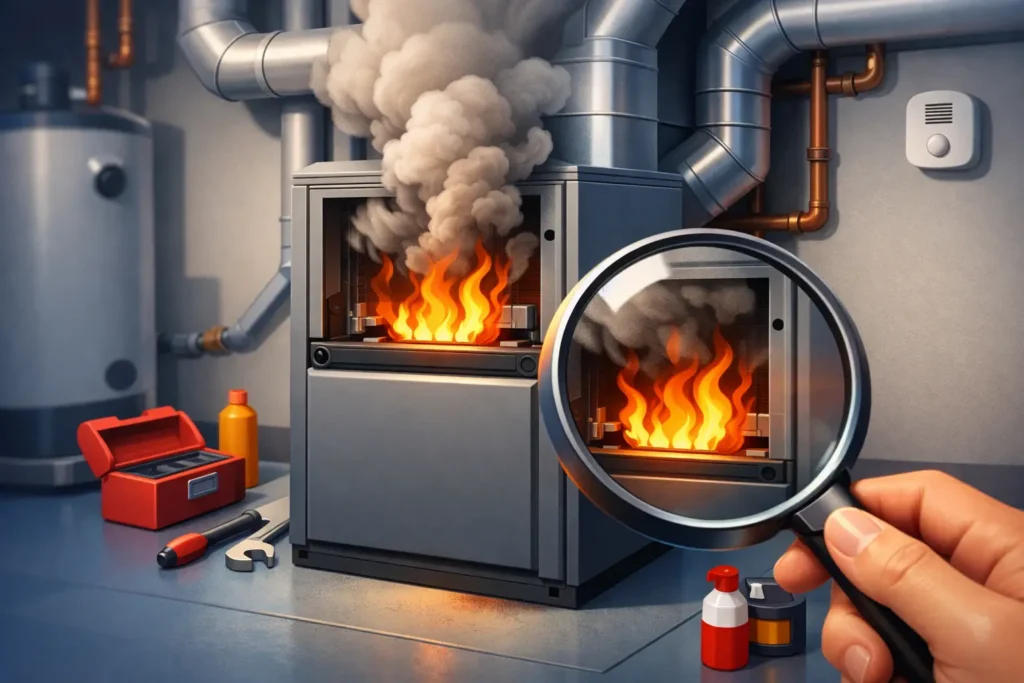
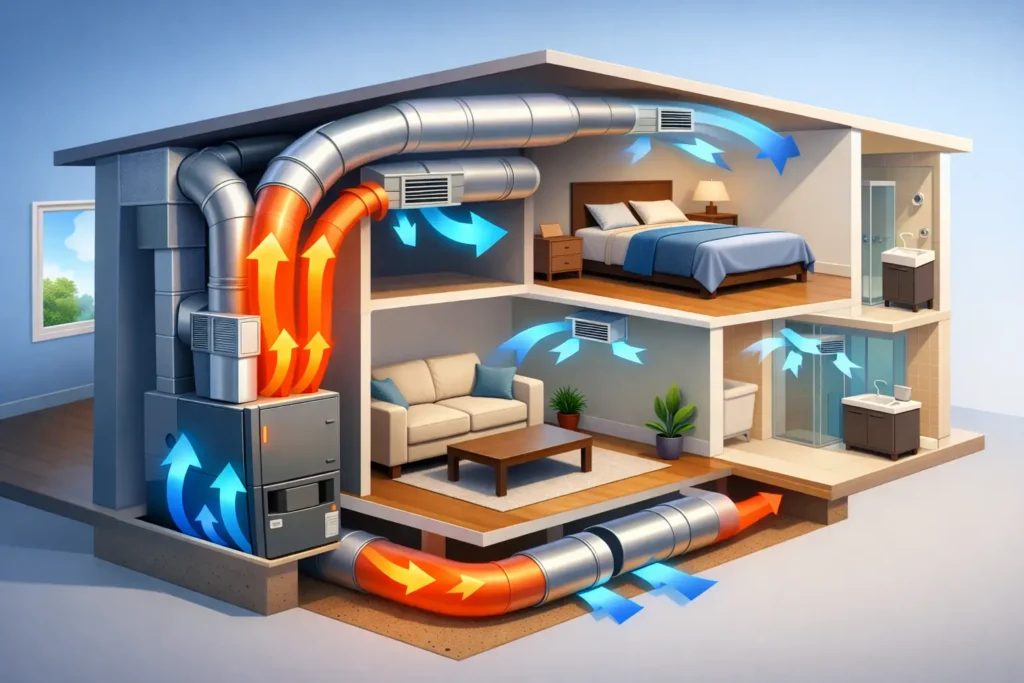
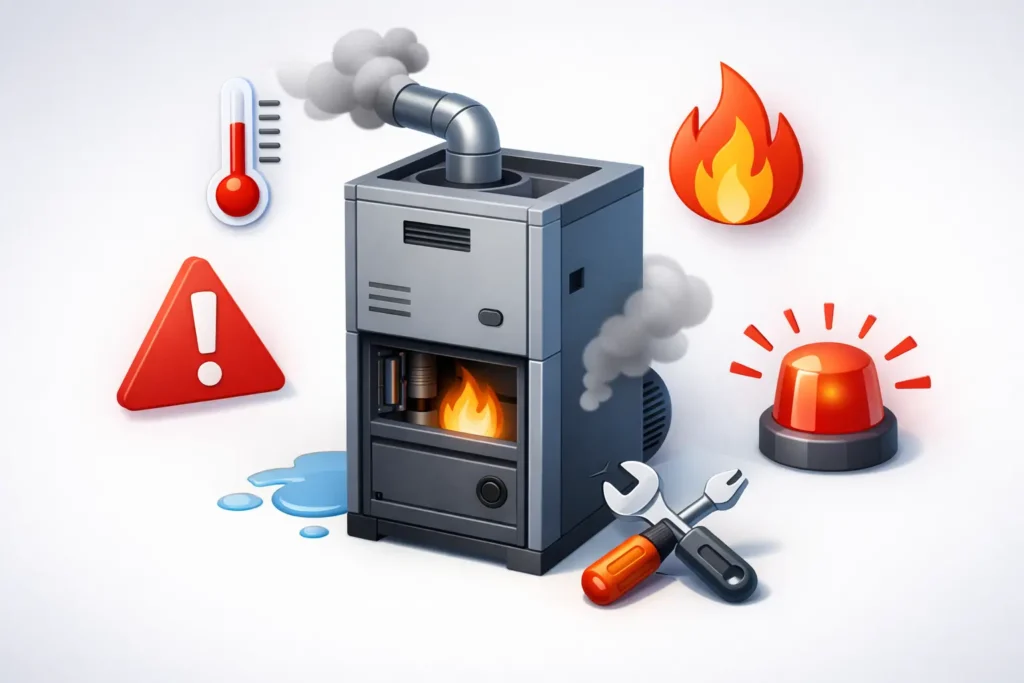
Keep supply vents and return air grilles open and clear of furniture, rugs, and storage. Restricted airflow can create uneven temperatures and make the furnace work harder. If you notice cold rooms, unusual cycling, new noises, a yellow burner flame, water around the furnace, or a furnace that shuts down repeatedly, arrange service instead of waiting for the next annual visit.
Do not remove furnace panels or attempt gas, venting, or electrical repairs yourself. Resetting a tripped breaker or checking a thermostat setting is one thing; diagnosing a recurring fault is another. Repeated resets can hide a condition that needs professional attention.
The Real Value Is Fewer Surprises
A furnace maintenance plan is not an insurance policy against every breakdown. Motors, control boards, igniters, and other components can fail without much warning, even in a well-maintained system. What regular service gives you is a better chance to deal with developing issues on your terms rather than during a winter emergency.
That matters most when the service provider communicates clearly. You should know whether your furnace is operating normally, what needs attention, what can wait, and what the repair will cost before work begins. For homeowners comparing service options, dependable workmanship and straightforward communication are often worth more than a long list of vague plan benefits.
Before the cold weather settles in, take a look at your furnace’s service history and filter condition. If it has been more than a year since a professional inspection, booking maintenance now can be a practical way to protect your comfort and make better decisions before the next no-heat call.