
What a Central Air Conditioner Review Should Tell You
A useful central air conditioner review should do more than rank brands or highlight a high efficiency number. For a Toronto or GTA homeowner, the right system is the one that cools the house evenly through humid summer weather, fits the existing ductwork and electrical setup, and can be serviced properly for years after installation.
The outdoor unit matters, but it is only one part of the decision. Your indoor coil, furnace or air handler, thermostat, refrigerant line, drainage, ductwork and installation quality all affect comfort, reliability and operating cost. That is why two homes with the same air conditioner can have very different results.
If you are replacing an older unit, start by looking at what is not working well now. A system that runs constantly, leaves upstairs bedrooms warm, produces weak airflow, leaks water, or needs frequent repairs may point to an equipment issue, but it can also reveal a sizing, ductwork or maintenance problem. A good recommendation explains the difference before asking you to buy.
How to Compare Central Air Conditioners
Efficiency is useful, but it is not the whole purchase
New central air conditioners are commonly compared using SEER2, a seasonal efficiency rating. A higher SEER2 rating generally means the unit uses less electricity over a cooling season. That can be worthwhile for households that run cooling often, have larger homes, or plan to stay in the property for many years.
However, the highest-rated model is not automatically the best value. Higher efficiency equipment usually costs more upfront and may include more advanced components. If cooling demand is moderate, the added purchase cost may take longer to recover through hydro savings. A properly installed mid-efficiency unit can be a sensible choice for many GTA homes.
Also ask how the unit performs in real conditions. Toronto summers bring humidity as well as heat. A system that runs in longer, controlled cycles can often remove more moisture than one that switches on and off quickly. Lower indoor humidity can make the home feel more comfortable without forcing the thermostat to an unusually low setting.
Capacity must match the home
Air conditioner capacity is measured in BTUs or tons. Bigger is not safer. An oversized air conditioner cools the home too quickly, which can lead to short cycling, uneven temperatures, poorer humidity control and extra wear on components. An undersized unit may struggle on the hottest days and run for long periods without reaching the set temperature.
Proper sizing considers more than square footage. Window exposure, insulation, ceiling height, air leakage, the number of occupants, basement conditions, duct capacity and recent renovations all matter. A home with a new attic insulation upgrade or energy-efficient windows may need a different capacity than it did when the last unit was installed.
A contractor should assess the home rather than simply match the size of the old condenser. The existing unit may have been oversized, undersized, or selected before an addition, finished basement or major renovation changed the cooling load.
Single-stage, two-stage and variable-speed options
A single-stage air conditioner runs at full output whenever it is on. It is often the most straightforward and budget-friendly option, especially for smaller homes or homeowners replacing a basic older system.
A two-stage system can operate at a lower level during less demanding weather and use full capacity when outdoor temperatures rise. This may improve comfort, reduce temperature swings and support better humidity control.
Variable-capacity equipment adjusts its output across a wider range. It can offer very steady indoor temperatures and efficient operation, but it is a larger investment and requires careful installation and setup. It makes the most sense when comfort consistency, quieter operation and long-term efficiency are priorities. The best choice depends on your home, budget and how long you expect to own the system.
Central Air Conditioner Review: Look Beyond the Brand
Brand reputation is worth considering, but it should not be the only reason to choose a unit. Most established manufacturers offer dependable equipment across several price and efficiency levels. What matters is the specific model, the available warranty, local parts access and the quality of the installation.
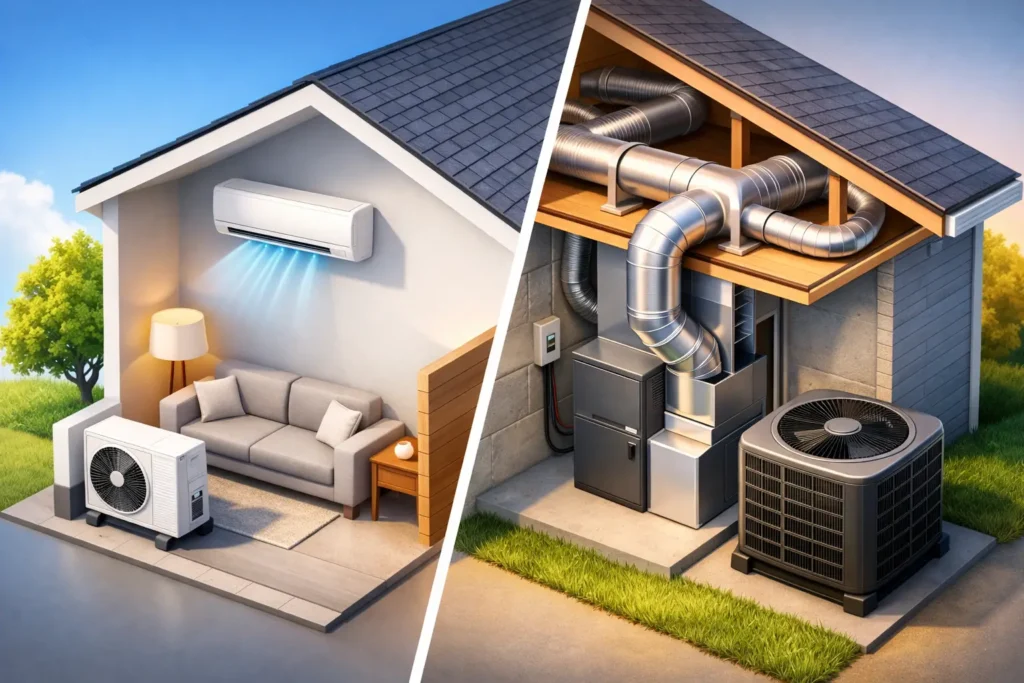
Before deciding, compare the model number, efficiency rating, sound level, warranty terms and whether the system is compatible with your existing furnace or air handler. The outdoor condenser and indoor evaporator coil need to be matched. Installing an efficient condenser with an unsuitable coil can affect performance and may create warranty issues.
Sound ratings can be particularly relevant when the condenser sits near a patio, bedroom window or close property line. Lower-decibel equipment may cost more, but it can be valuable in a compact GTA backyard where outdoor noise is noticeable.
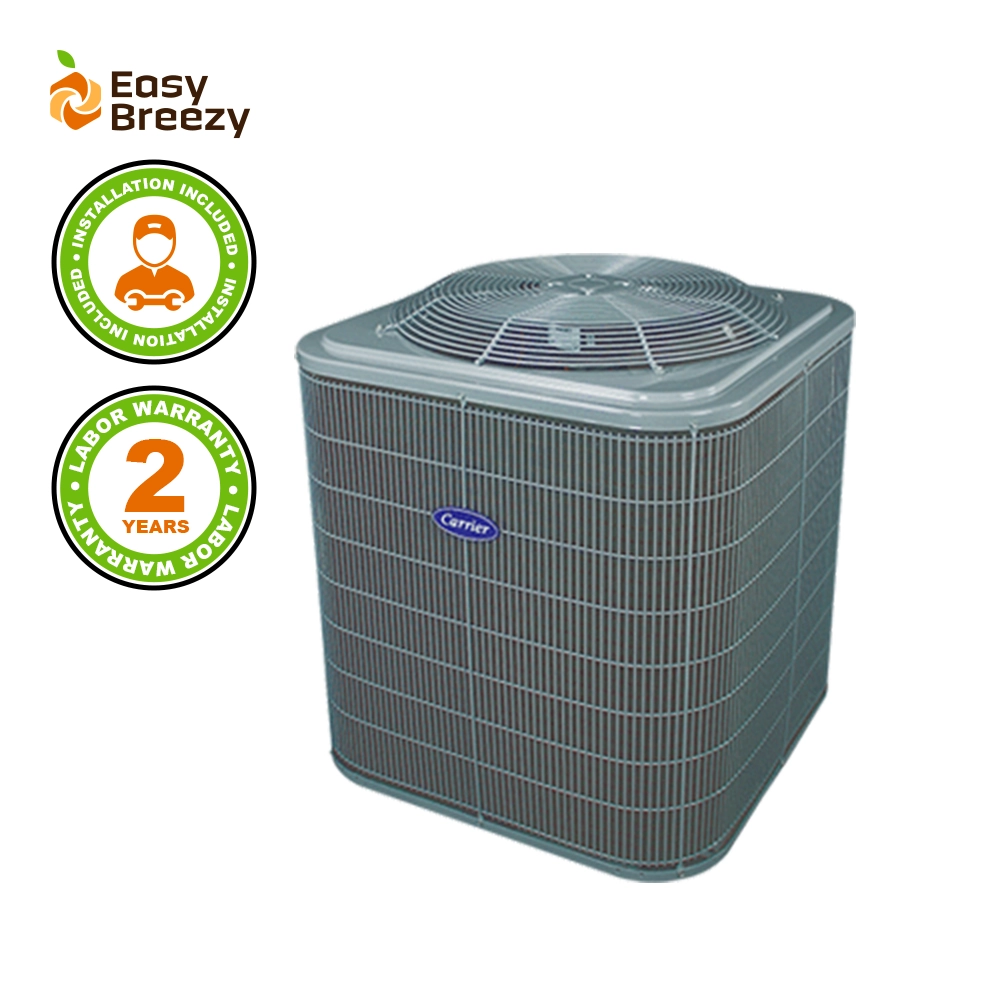
Ask direct questions about warranty coverage. Manufacturer parts warranties often have registration requirements and do not necessarily include labour. Labour coverage determines who pays for the work if a covered component fails after installation. At Easy Breezy HVAC, a 2-year free labour warranty is designed to give homeowners added protection after installation, alongside clear explanations of the equipment and work involved.
Installation Quality Has a Major Effect on Performance
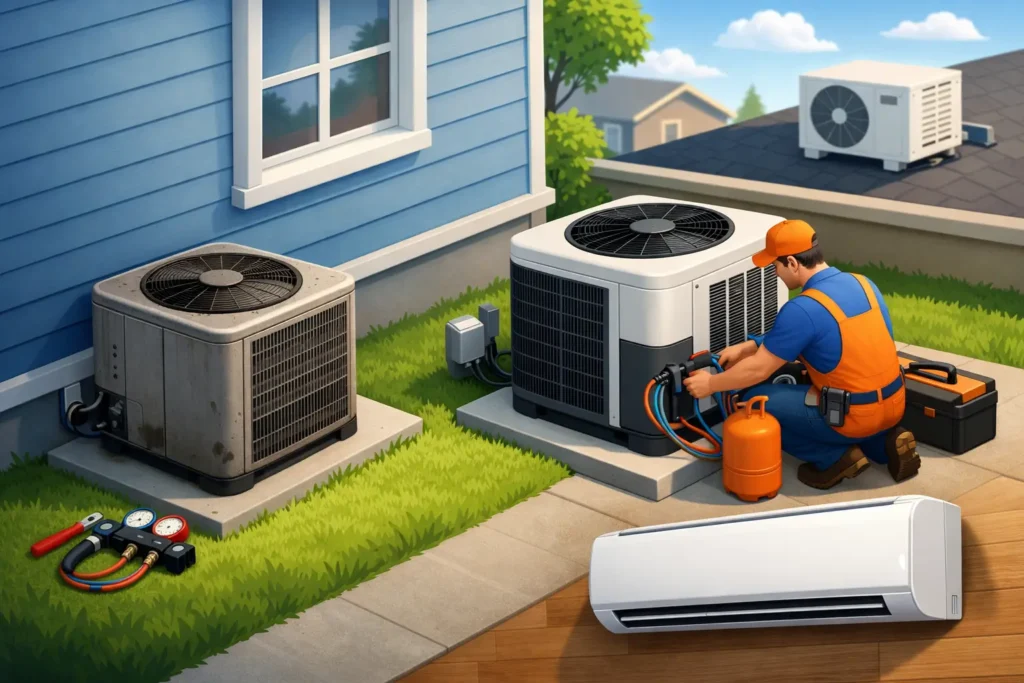
A central air conditioner is not a boxed appliance that can simply be placed outside and switched on. Installation involves refrigerant handling, electrical connections, drainage, airflow considerations and system commissioning. Small shortcuts can affect comfort from the first season onward.
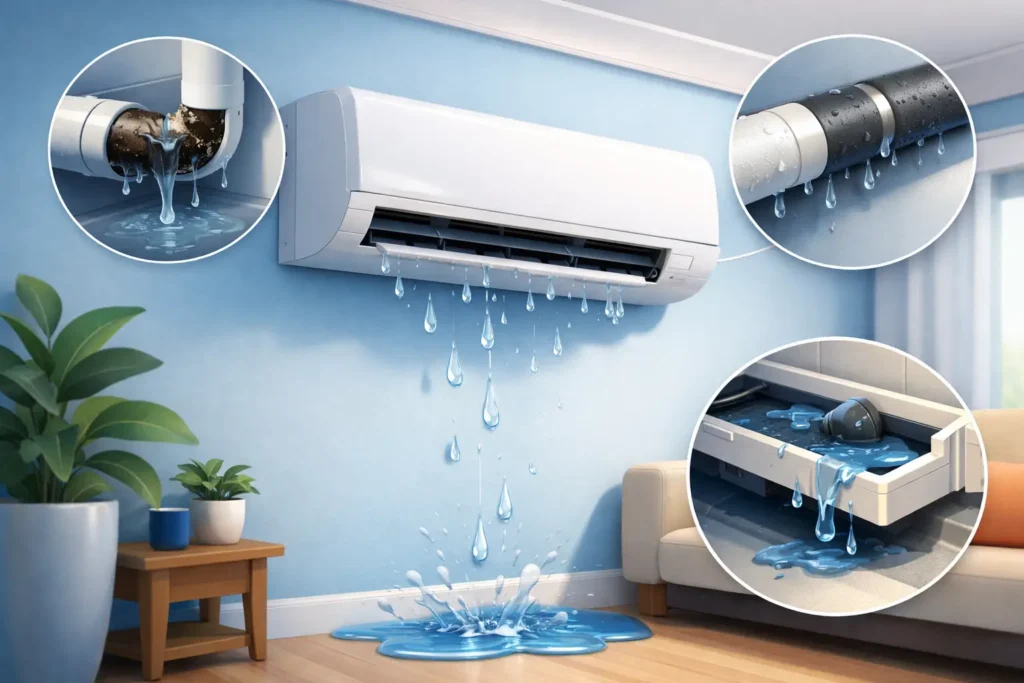
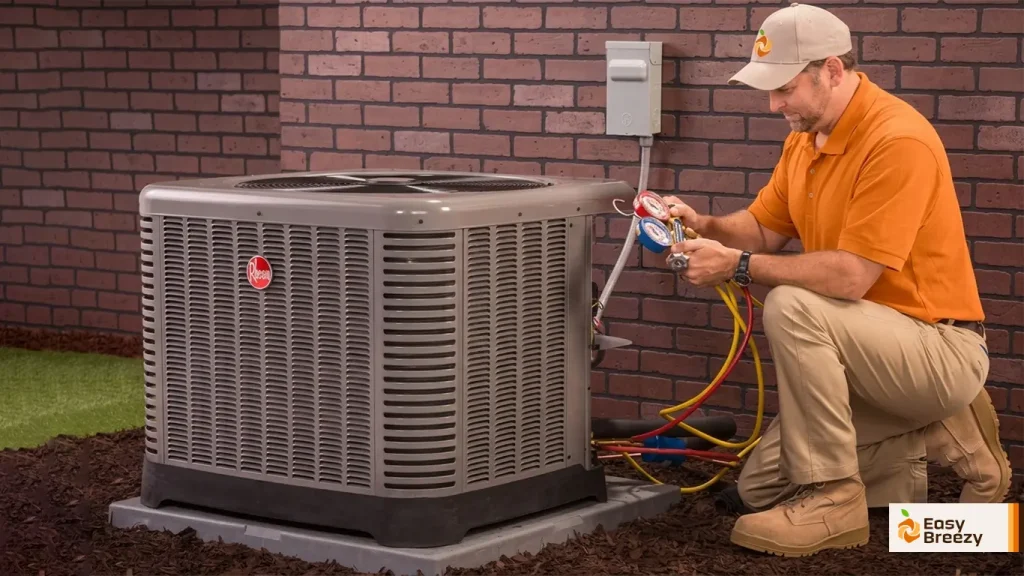
A professional installation should include the correct refrigerant line work, a properly supported outdoor unit, a level pad, safe electrical disconnects, pressure testing, evacuation of the refrigerant lines and verification that the system is operating to manufacturer specifications. The condensate drain also needs attention. A blocked or poorly routed drain can cause water damage or shut down the cooling system.
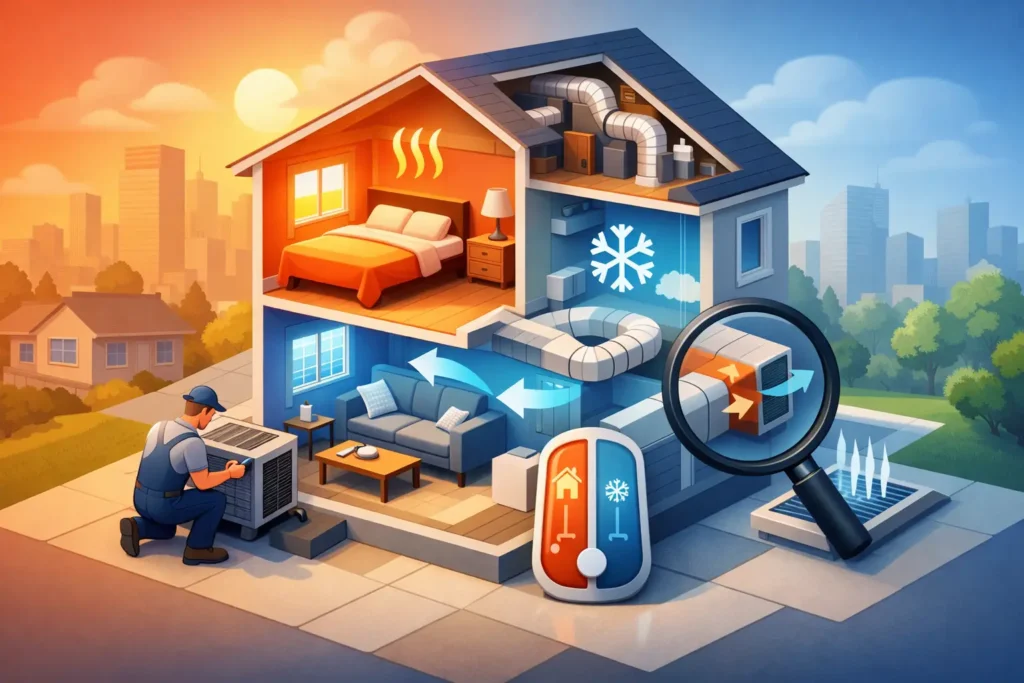
Your ductwork deserves a review as well. If rooms have always been too warm or too cool, a new condenser alone may not solve the problem. Restricted return air, undersized ducts, disconnected runs, poor balancing or a dirty blower can limit what any new air conditioner can do. In some cases, minor duct improvements offer more noticeable comfort than stepping up to a premium outdoor unit.
Understanding Price Without Guesswork
A complete central air conditioner price should cover more than the equipment itself. Homeowners should know whether the figure includes the outdoor unit, matching coil, standard installation labour, electrical work, pad, disposal of the old equipment, permits where required, warranty and any duct or line-set modifications.
The lowest equipment-only price is not always the lowest installed price. Older homes can require electrical upgrades, refrigerant line replacement, drainage changes or modifications to accommodate a new indoor coil. Those items are not automatically a concern, but they should be explained clearly before work begins.
When comparing estimates, make sure you are comparing like for like. A quote for a basic single-stage unit with limited labour coverage is different from a quote for a matched higher-efficiency system with installation details and post-installation warranty support. Transparent pricing helps, but a homeowner should still understand what is included and what could change if site conditions require additional work.
Questions Worth Asking Before You Approve the Work
You do not need to become an HVAC technician to make a sound decision. Ask why a certain capacity was recommended, whether the indoor coil is matched to the condenser, and what efficiency level makes financial sense for your home. Ask whether your ductwork or electrical service creates any limits, and whether the quote includes all expected installation materials.
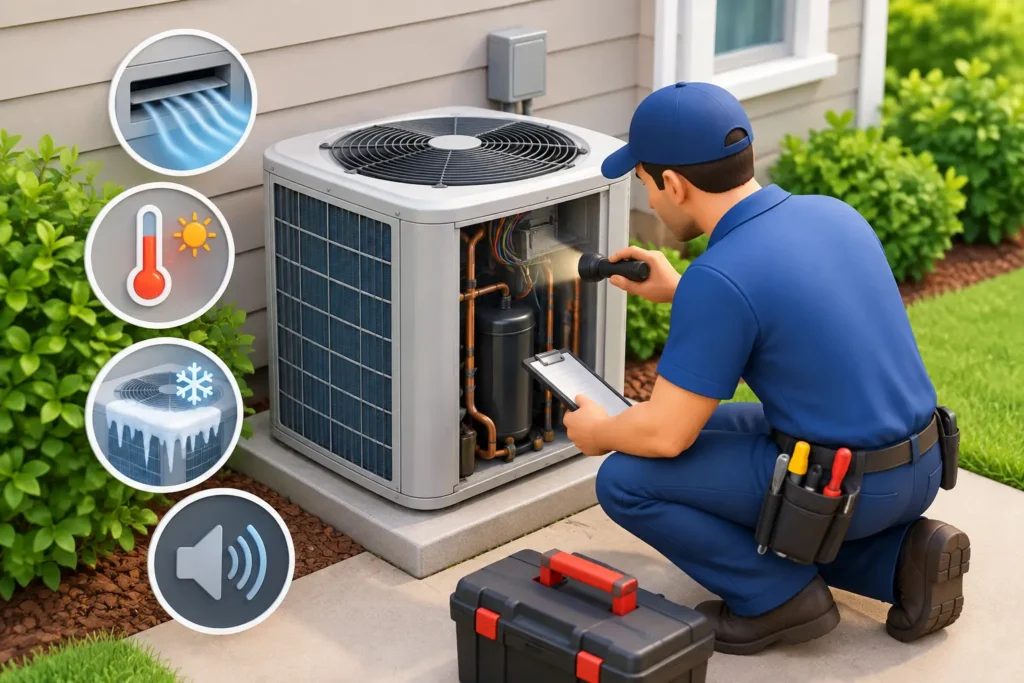
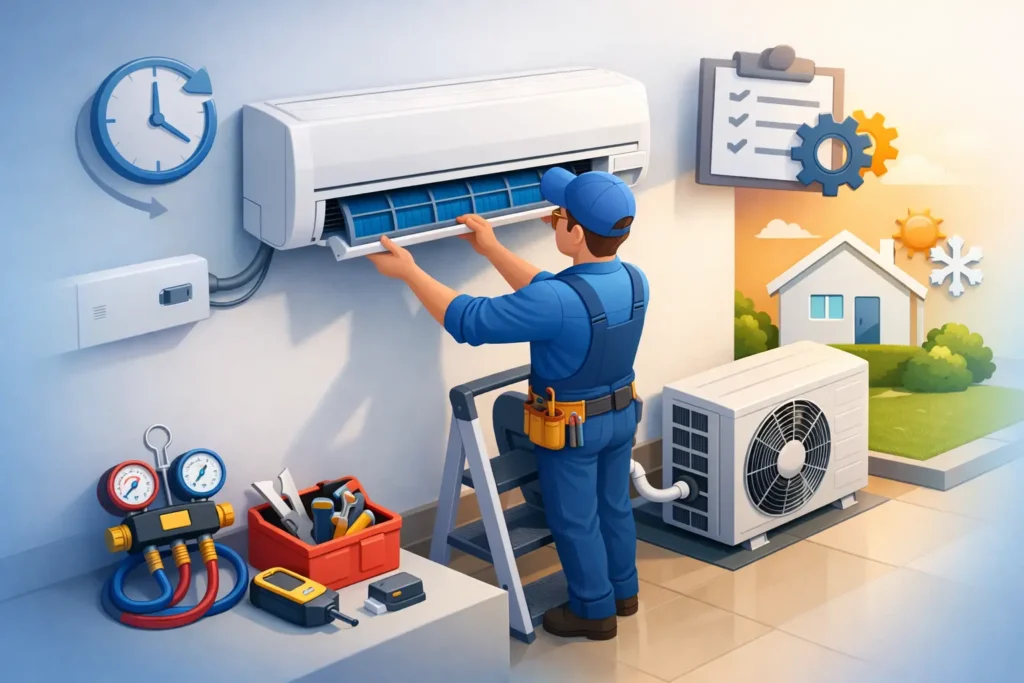
It is also reasonable to ask how maintenance should be handled. Central air conditioners benefit from a clean outdoor coil, a clear area around the condenser, regular filter changes and an annual professional check. Neglecting filters can reduce airflow, strain the blower and contribute to frozen coils or uneven cooling.
Finally, ask who you call if there is a problem after installation and what the labour warranty covers. Fast, direct communication matters most when a new system is not cooling properly during a heat wave.
The Right Review Ends With the Right Fit
The best central air conditioner is rarely the one with the biggest capacity, the highest advertised rating or the lowest initial price. It is the matched system that fits your home, is installed carefully, and comes with clear support when you need it. Take the time to compare the full package, then choose the option that gives your household comfortable, dependable cooling without surprises.