A furnace that stops working in January or an air conditioner that fails during a humid Toronto heat wave rarely arrives at a convenient time. When replacement is the practical answer, home HVAC financing options can help you choose dependable equipment without putting off a necessary installation or draining savings meant for other priorities.
The right approach depends on the system you need, how quickly it must be installed, your available cash, and the total borrowing cost. A low monthly payment can be useful, but it is only one part of the decision. Homeowners should also look at the interest rate, term length, fees, prepayment rules, and whether the equipment being recommended is properly sized for the home.
Start with the full installed price
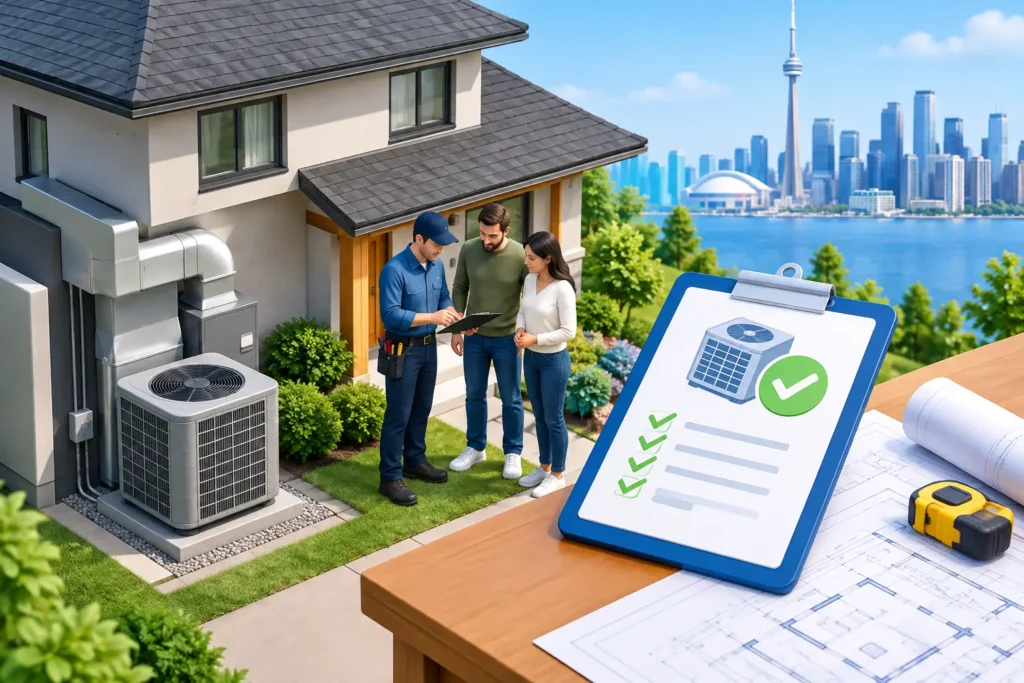
Before comparing financing, ask for a clear installed price. This should account for the equipment, standard installation work, required fittings and venting where applicable, removal of the old unit, and applicable taxes. If an older furnace, air conditioner, or water heater needs electrical, gas, drainage, chimney liner, or ductwork changes, those items should be explained separately before work begins.
This matters because financing a vague estimate makes it hard to compare offers. A lower equipment price can become less attractive if key installation work appears later as an extra charge. For a replacement system, the goal is to understand the complete cost of putting safe, working equipment in your home, not just the price printed on the box.
At Easy Breezy HVAC, homeowners can review specific equipment categories and visible installation pricing before making a decision. That type of clarity makes it easier to compare a cash purchase with a payment plan on the same basis.
Common home HVAC financing options
There is no single best method for every GTA household. The most suitable option usually balances speed, total cost, and flexibility.
Pay in full from savings
Paying upfront avoids interest and monthly obligations. It can be the most economical route when the purchase will not leave you without an emergency fund. It may also simplify the installation process when a system needs immediate replacement.
Still, using every available dollar for a furnace or heat pump is not always comfortable. Homeownership comes with other surprises, from roof repairs to plumbing leaks. If paying cash would leave your household exposed, financing part of the project may be the more sensible choice even if it costs more overall.
Contractor-arranged payment plans
Some HVAC contractors work with third-party financing providers that offer fixed payment plans. Depending on the provider and approval, these may offer a defined term and a predictable monthly payment. For homeowners facing an urgent furnace, air conditioner, or water heater replacement, this can be a straightforward way to proceed without waiting to arrange separate borrowing.
Read the agreement carefully. Ask whether the rate is fixed, whether there is a promotional period, what happens when that period ends, and whether early repayment is allowed without a penalty. Also confirm the amount financed. A payment plan should support a properly selected installation, not encourage the purchase of equipment that is larger or more expensive than your home needs.
Personal loans through a bank or credit union
A personal loan can provide a fixed borrowing amount, a set repayment schedule, and a clear end date. Homeowners with strong credit may find this option competitive, especially when they prefer to arrange financing independently from the contractor.
The trade-off is timing. Loan approval and funding may not be immediate, which can matter when there is no heat, cooling, or hot water. Compare the annual percentage rate, origination fees if any, and total cost over the term. A longer term lowers the monthly payment but usually increases the interest paid.
A home equity line of credit
A HELOC can offer a lower interest rate than unsecured borrowing because it is secured against your home. It can be useful for larger projects, such as replacing heating and cooling equipment together, completing significant ductwork, or combining an HVAC upgrade with other planned renovations.
However, HELOC rates are often variable. Your payment can change if rates rise, and the balance is tied to your home. This option may suit a homeowner with available equity and a disciplined repayment plan, but it is usually less practical for a same-day emergency replacement.
Credit cards
A credit card may bridge a short gap, particularly if you can repay the balance quickly or are using a genuine low-rate promotional offer. It can also provide purchase protection depending on the card.
For a full HVAC installation, standard credit card interest can become expensive very quickly. Treat this as a short-term tool, not a long-term repayment strategy, unless the numbers clearly work in your favour.
Compare the total cost, not just the monthly payment
A monthly payment that fits your budget is valuable, but it does not show the whole picture. For example, a $4,000 installation financed at a low rate over a shorter term may cost less overall than a plan with a smaller monthly payment stretched over several years.
Before signing, request or calculate the following:
- The cash price and the exact amount being financed
- The interest rate, whether it is fixed or variable, and any fees
- The monthly payment, number of payments, and total amount repaid
- Any promotional terms and the rate that applies after they end
- Whether you can make extra payments or pay the balance off early
This information should be easy to understand. If you cannot get a direct answer about the total cost, pause before proceeding.
Keep equipment selection separate from financing pressure
Financing should make a necessary replacement manageable. It should not replace sound advice about what belongs in your home. The right gas furnace, heat pump, air conditioner, or water heater depends on factors such as home size, insulation, existing ductwork, fuel source, electrical capacity, hot-water demand, and the condition of the current system.
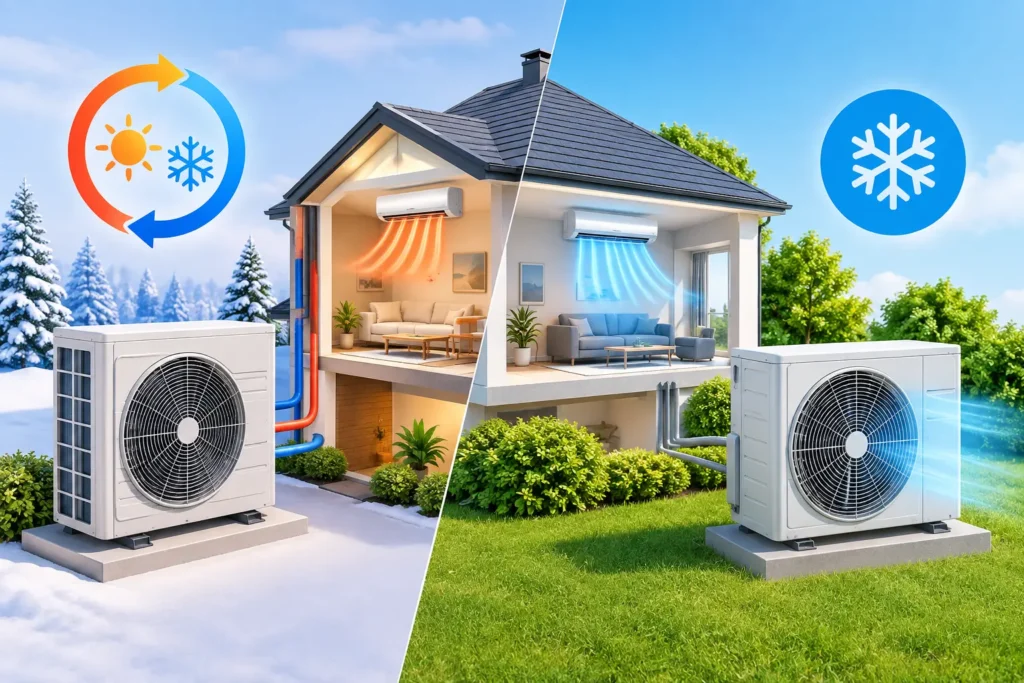
For instance, a heat pump can improve year-round efficiency, but your home may need a compatible electrical setup or a backup heating strategy. A tankless water heater can provide continuous hot water when sized correctly, but installation requirements differ from a conventional tank. The best system is not automatically the model with the lowest price or the longest payment term.
Ask the contractor to explain why a model is being recommended, what installation work is included, and what warranty protection applies after installation. Certified workmanship and a clear labour warranty can reduce the risk of an otherwise stressful purchase.
Do not build your budget around possible rebates
Efficiency incentives can help offset the cost of eligible upgrades, but programs, eligibility rules, and available funding can change. Some programs require pre-approval, specific equipment ratings, energy assessments, or documentation before installation. Others may not apply to your home or equipment choice.
Treat a rebate as a potential benefit until you have confirmed that you qualify and understand the process. Do not assume it will arrive quickly enough to cover a financing payment. A good plan should remain affordable even if the rebate takes time or is unavailable.
Questions to ask before you approve financing
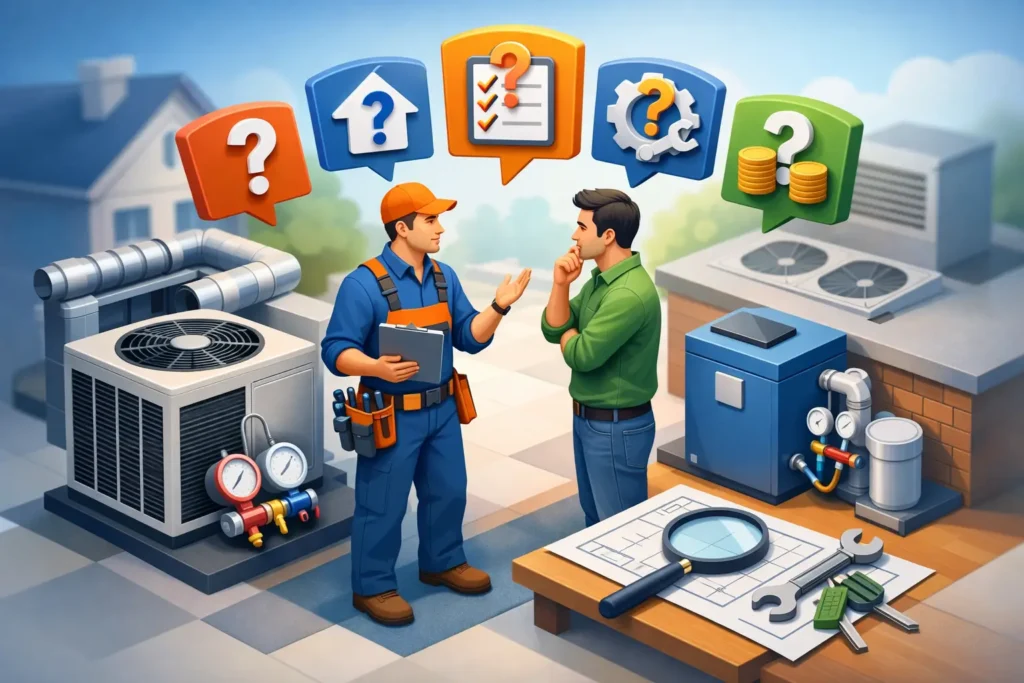
A short conversation can prevent expensive surprises. Ask who the financing agreement is with, when payments begin, whether the contractor is paid directly, and what happens if a required installation change affects the final scope of work. If you are replacing failed equipment urgently, also ask about installation timing and whether temporary comfort solutions are available while parts or equipment are being arranged.
You should also ask what service support looks like after installation. New equipment is a major purchase, but comfort depends on proper commissioning, clear instructions, and responsive help if a concern appears later. A written labour warranty gives you another layer of confidence beyond the manufacturer’s equipment warranty.
Choose a payment plan that leaves room to breathe
The best financing choice is one you can comfortably manage while still getting correctly sized, safely installed equipment. For some homeowners, that means paying cash. For others, it means a fixed payment plan that preserves savings for the rest of life. Take the extra few minutes to compare the full cost, ask direct questions, and choose a contractor who explains both the system and the price clearly.