The Ultimate Furnace Buyers Guide: Everything You Need to Know

From understanding what makes furnaces tick to choosing the perfect size and efficiency, this resource will give you the knowledge to make an informed, confident decision. Along the way, you’ll find practical advice, insider tips, and answers to questions you may not even know you had!

Too many options?

Purchasing a furnace can feel overwhelming, especially when faced with countless brands, technical jargon, and the pressure of ensuring your home stays warm through long Canadian winters. Whether upgrading an outdated furnace, replacing a broken one, or buying your first, this guide will take you step by step through the entire process.

Types of Heating Systems

Before diving into furnaces, exploring the broader world of home heating systems is worth exploring. Each type serves different needs, so understanding them is crucial in deciding whether a furnace is your best option.

Furnaces: The Most Common Choice

Furnaces are a workhorse in Canadian homes. They generate heat by burning fuel (natural gas, propane, or oil) or using electricity, distributing warm air through a system of ducts. This method, known as forced-air heating, is efficient, fast, and reliable.

Why Choose a Furnace?

  • It can handle extreme cold, even in Canada’s harshest winters.
  • Rapidly warms large spaces.
  • Often works seamlessly with central air conditioning systems for year-round comfort.

Heat Pumps: A Dual-Use Option

Heat pumps provide both heating and cooling by transferring heat instead of generating it. They extract heat from the air or ground outside and bring it into your home.

Pros:

  • Highly energy-efficient, especially in milder climates
  • Environmentally friendly
  • Can replace both a furnace and an air conditioner

Cons:

  • Highly energy-efficient, especially in milder climates
  • Environmentally friendly
  • Can replace both a furnace and an air conditioner

What Is a Furnace?

The Basics: What Does a Furnace Do?

At its core, a furnace is a system designed to heat air and distribute it throughout your home. Unlike boilers, which rely on water, furnaces circulate warm air via ductwork, making them faster and more efficient for immediate heat.

Get In Touch

Name(Required)
Phone(Required)
Prefered Time to Call

How Does a Furnace Work?

Understanding how a furnace operates can demystify its parts and help you troubleshoot issues in the future. Here’s a simplified breakdown:

  1. Thermostat Signals Activation: The thermostat signals the furnace to turn on when the temperature drops below your desired setting.
  2. Air Intake: Cool air is drawn into the furnace through return ducts.
  3. Heating: The furnace burns fuel (or uses electricity) to generate heat, which is transferred to air using a heat exchanger.
  4. Air Distribution: A blower pushes the warmed air through ducts to your home’s rooms.
  5. Cycle Off: The furnace shuts off once your home reaches the target temperature.

Key Furnace Components

To understand how your furnace works—or when it might need repair—it helps to know the key parts:

Thermostat

Sets the temperature and controls the system.

Burners:

Ignite fuel to generate heat.

Heat Exchanger:

Transfers heat from combustion gases to air.

Blower Motor:

Circulates warm air through ducts.

Ductwork:

Distributes warm air throughout the house.

Filters:

Remove dust and debris from the air, ensuring clean circulation.

Types of Furnaces

Selecting the right furnace involves understanding the pros and cons of each type. Let’s dive into the options:

Natural Gas Furnaces

Natural gas furnaces are the most popular option in Canadian homes due to their affordability and reliability.

How They Work: Gas is ignited in the burner, and heat is transferred through a heat exchanger. The hot air is then distributed via the blower motor.

Pros:

  • Lower operating costs compared to
  • electric or propane models.
  • Highly efficient, with AFUE ratings often exceeding 95%.

Cons:

  • Requires a natural gas hookup.
  • Combustion produces CO2, impacting the environment.

Propane Furnaces

Propane is a cleaner alternative to oil and is popular in areas without access to natural gas.

Advantages:

  • Burns cleanly, reducing emissions.
  • Works efficiently even in remote locations.

Drawback:

  • Propane is generally more expensive than natural gas.

Electric Furnaces

Electric furnaces use heating elements to warm air instead of burning fuel.

Why Choose Electric?

  • Easy installation
  • No combustion—safer for indoor air quality

Downside

High electricity costs can make this option expensive to operate, especially in colder climates.

Oil Furnaces

Oil furnaces are a good alternative for homes in rural areas without access to natural gas.

Pros:

  • Excellent heat output for extremely cold conditions.
  • Reliable fuel source in areas without gas lines.

Cons:

  • Requires regular fuel deliveries.
  • It can be expensive to maintain.
Fun Fact
Did you know that the ancient Romans created the first central heating system using underground pipes called hypocausts? Modern furnaces are far more efficient, but the goal remains: keeping homes cozy.

Dual-Fuel Systems: The Best of Both Worlds

A dual-fuel system is a heating setup that combines two complementary technologies: a heat pump and a furnace. This hybrid solution optimizes efficiency and comfort by intelligently switching between the heat pump and the furnace, depending on the outdoor temperature.

How Do Dual-Fuel Systems Work?

A dual-fuel system is a heating setup that combines two complementary technologies: a heat pump and a furnace. This hybrid solution optimizes efficiency and comfort by intelligently switching between the heat pump and the furnace, depending on the outdoor temperature.

When Temperatures Are Mild (Above Freezing):

The system uses the heat pump as the primary heating source. Heat pumps are highly efficient in moderate temperatures because they transfer heat from the outside air into your home rather than generating heat. This process consumes significantly less energy compared to traditional heating methods.

When Temperatures Drop (Below Freezing):

Heat pumps become less effective in freezing conditions because there’s less heat to extract from the outside air. At this point, the system automatically switches to the furnace, which can burn natural gas, propane, or oil to provide reliable, powerful heat to keep your home warm.

This seamless transition ensures your home is always heated efficiently, no matter how cold it gets outside.

How Do Dual-Fuel Systems Work?

1. Significant Energy Savings

Because the heat pump handles most heating during milder weather, dual-fuel systems use less fuel overall. Furnaces typically consume more energy than heat pumps, so reducing furnace usage can result in noticeable energy bill savings.

Example: On a mild winter day, running the heat pump might cost $1, while using the furnace could cost $5 for the same amount of heating. Over an entire season, this adds up.

2. Optimal Efficiency for All Weather Conditions

A dual-fuel system adapts to changing temperatures. You get the efficiency of a heat pump during the fall and spring, paired with the power of a furnace to handle the bitter cold of mid-winter.

3. Environmental Benefits

Heat pumps are more environmentally friendly than furnaces because they use electricity rather than burning fuel. By relying on the heat pump when possible, dual-fuel systems reduce overall carbon emissions compared to a furnace-only system.

4. Comfort Without Compromise

Dual-fuel systems eliminate the trade-offs of single-source heating. Heat pumps sometimes feel less warm during cold spells, while furnaces can be overkill in mild weather. This system ensures you’re always comfortable without sacrificing efficiency.

5. Longevity for Both Systems

Since the furnace and heat pump share the workload, each system experiences less wear and tear than standalone systems. This can extend the lifespan of both components, reducing repair and replacement costs over time.

Who Should Consider a Dual-Fuel System?

Homeowners in Regions with Moderate Winters:

If your area has frequent temperature fluctuations (e.g., mild during the day but freezing at night), a dual-fuel system can save you money while keeping your home comfortable.

Environmentally Conscious Homeowners:

If you’re looking to reduce your carbon footprint, this hybrid system is an excellent choice.

Budget-Conscious Individuals:

While the upfront cost may be higher, the long-term savings on energy bills make a dual-fuel system a smart investment.

What Are the Costs of a Dual-Fuel System?

The cost of a dual-fuel system depends on the size of your home and the specific models chosen:

  • Heat Pump: $5,000–$8,000 (including installation).
  • Furnace: $3,000–$7,000 (including installation).
  • Dual-Fuel Integration Costs: Some systems may require additional components or setup to enable seamless switching, costing $500–$1,000.

While the upfront investment may seem high, the combination of lower utility bills and reduced wear-and-tear makes dual-fuel systems cost-effective in the long run.

Pro Tip:

When installing a dual-fuel system, ensure your contractor is experienced with hybrid systems. Proper calibration of the heat pump and furnace transition is essential for maximizing energy savings and maintaining comfort. A dual-fuel system is the perfect blend of efficiency, comfort, and environmental responsibility, making it an excellent choice for homeowners who want year-round reliability and savings.

The Importance of Proper Sizing: Finding the Perfect Furnace for Your Home

While square footage, climate, and insulation provide a general idea, a precise furnace size requires a Manual J Heat Load Calculation performed by a professional HVAC technician. This calculation evaluates your home’s heating and cooling needs based on specific factors, ensuring the furnace perfectly matches your requirements.

What Does a Manual J Calculation Include?

  • Design Load: Evaluate how much heat your home loses under extreme cold conditions.
  • Part Load: Measures heat loss during average temperatures to assess typical furnace performance.
  • Heat Loss Factors: Considers insulation levels, window quality, air leakage, ceiling height, and landscaping (e.g., trees providing shade or wind barriers).

This calculation ensures you won’t overspend on a furnace that’s too large or suffer discomfort from one that’s too small.

Why You Need a Professional

Estimating your furnace size using online calculators or simple rules of thumb can be tempting. Still, these methods often fail to account for critical factors like air leakage, ductwork efficiency, or your home’s unique layout. A professional HVAC technician uses sophisticated tools and calculations to determine the exact BTU requirements for your space, leaving no margin for error.

The Importance of Proper Sizing: Finding the Perfect Furnace for Your Home

Choosing the right size furnace for your home isn’t just a matter of convenience—it’s essential for energy efficiency, comfort, and the longevity of your heating system. The size of your furnace determines how effectively it can heat your home, and getting it wrong can have costly consequences.

Future-Proof Your Furnace - If you’re planning renovations, adding square footage, or improving insulation, let your HVAC technician know. These changes can impact your heating needs, so it’s crucial to size your furnace accordingly.

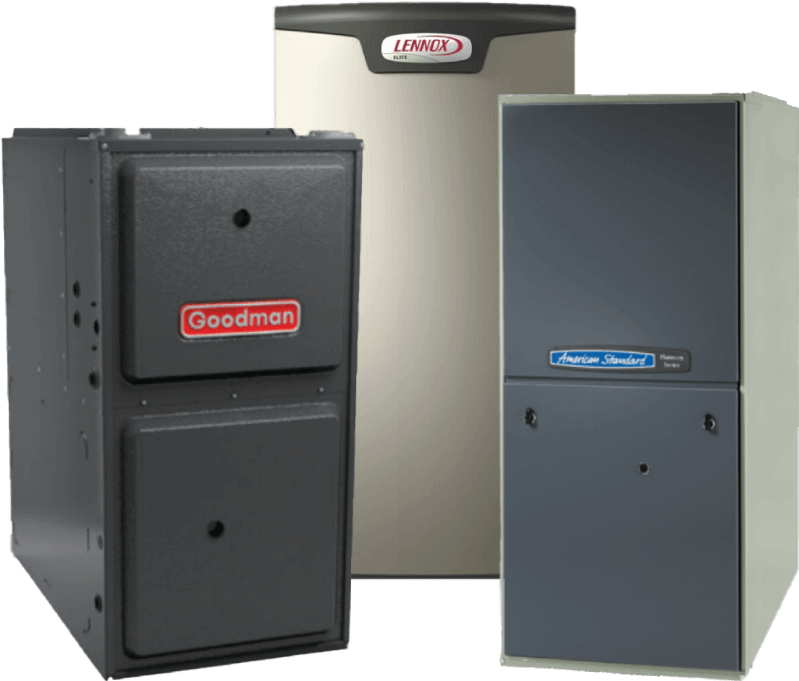
Top Furnace Brands

Furnace Brands and How to Choose

Not all furnace brands are created equal, and choosing the right one can make a big difference in reliability, performance, and customer support.

Carrier Brand

Carrier

Established in 1915 in the United States, Carrier is a leader in air conditioning and HVAC technology. Its extensive product line includes residential, commercial, and industrial HVAC systems, recognized for cutting-edge innovation and energy efficiency. Carrier furnaces feature a lifetime heat exchanger warranty and a 10-year warranty on covered parts.

LENNOX Brand

Lennox

Founded in 1895 in the United States, Lennox has built a strong reputation for manufacturing premium HVAC systems. Its offerings include air conditioners, furnaces, and heat pumps designed for high energy efficiency and quiet operation. Lennox furnaces come with a heat exchanger warranty ranging from 20 years to lifetime, along with a 5-10 year warranty on covered components.

Goodman Brand

Goodman

Since its founding in 1975 in the United States, Goodman has been synonymous with affordable and dependable HVAC systems. The company’s product portfolio includes air conditioners, heat pumps, and furnaces, emphasizing durability and cost-effective performance. Goodman furnaces provide a lifetime warranty on the heat exchanger, a 10-year warranty on covered parts, and a 10-year limited unit replacement warranty.

American Standard

With origins tracing back to the 1880s in the United States, American Standard delivers a comprehensive range of HVAC products, including air conditioners, furnaces, and heat pumps. Known for their reliability, energy efficiency, and excellent warranties, American Standard furnaces include a lifetime heat exchanger warranty and a 10-year warranty on covered parts.

Bosch

Bosch is a global leader in HVAC technology, offering advanced heating solutions known for energy efficiency and innovative features. Bosch furnaces are designed to provide reliable, quiet operation while ensuring maximum comfort for homeowners. Their product lineup includes high-efficiency gas furnaces with features such as modulating burners, variable-speed blowers, and smart thermostat compatibility. Bosch furnaces often come with warranties of up to 10 years on parts, reflecting the brand’s commitment to long-lasting quality and customer satisfaction.

How to Choose a Furnace Brand

When evaluating furnace brands, consider:

Warranty Coverage:

Look for longer warranties, especially on the heat exchanger (10–20 years).

Availability of Parts and Service:

Choose brands with widespread dealer networks.

Energy Efficiency:

Compare AFUE ratings to ensure you get a system that aligns with your energy-saving goals.

Customer Reviews:

Read reviews for insights on reliability and after-sales service.
Warranty and Maintenance Plans
Furnaces have varying warranty terms, typically covering parts and heat exchangers for 5–20 years. Extended warranties and maintenance plans can provide peace of mind, especially for high-efficiency models requiring specialized care.

Cost Comparison: Repair vs. Replace

Deciding to repair or replace your furnace often comes from a cost analysis. Here’s a breakdown of typical repair costs versus the investment in a new furnace:

Typical Repair Costs

  • Minor Repairs: $150–$500
    • Issues like thermostat replacement, cleaning sensors, or fixing minor wiring problems.
  • Major Repairs: $1,000–$2,500
    • Repairs involving the heat exchanger, blower motor, or gas valves are more expensive and often signal the need for replacement.

Replacement Costs

  • The cost of a new furnace (including installation) ranges from $4,000–$8,000, depending on the type, efficiency rating, and additional features.
  • While the upfront cost is higher, modern high-efficiency furnaces can reduce annual heating bills by 20–40%, recouping the investment over time.

The 50% Rule

If the cost of repairing your furnace exceeds 50% of the cost of a new system, replacement is the smarter financial choice. For example, spending $2,500 to repair an aging furnace when a new high-efficiency unit costs $5,000 is unlikely to be worth it, especially if your current furnace is nearing the end of its lifespan.

Why Upgrading to a New Furnace Makes Sense

  1. Improved Efficiency
    • New furnaces have AFUE ratings of 90–99%, compared to older models at 60–80%. This means more of your fuel is converted into heat, reducing energy waste and lowering your bills.
  2. Enhanced Comfort
    • Modern furnaces come with advanced features like two-stage heating and variable-speed blowers, ensuring consistent temperatures and quieter operation.
  3. Increased Home Value
    • Upgrading your furnace is an investment in your home’s resale value. Buyers are often willing to pay more for energy-efficient systems that promise lower utility costs.
  4. Safety
    • Older furnaces are prone to safety hazards like carbon monoxide leaks, especially if the heat exchanger is cracked. New models have advanced safety features and sealed combustion chambers for added peace of mind.
  5. Rebates and Incentives
    • Many government programs and utility companies offer rebates for upgrading to high-efficiency furnaces. These incentives can significantly offset the upfront cost of a new unit.

How to Prepare for Furnace Replacement

  1. Research Furnace Types and Features
    • Explore the different types of furnaces (gas, electric, oil, dual-fuel) and advanced features like Wi-Fi compatibility, ECM motors, and condensing technology.
  2. Consult a Professional HVAC Technician
    • A licensed technician can evaluate your home’s heating needs, recommend the best furnace size, and provide an accurate installation quote.
  3. Check for Rebates and Financing Options
    • Look for rebates from energy efficiency programs and ask your HVAC provider about financing plans to spread out the cost.
  4. Schedule Installation in the Off-Season
    • Furnace installations are often in high demand during winter, leading to higher costs or scheduling delays. Plan ahead and replace your furnace in the late summer or early fall.

Final Thoughts on Replacing Your Furnace

While replacing your furnace may seem daunting, it’s an investment in your home’s comfort, safety, and energy efficiency. An aging furnace can cost you more in repairs and energy waste than it’s worth, while a modern high-efficiency model will pay off in savings, reliability, and peace of mind.

When in doubt, consult an experienced HVAC technician who can guide you through the decision-making process, ensuring you choose the right furnace for your needs and budget. Remember: a well-timed replacement can prevent costly emergency repairs and keep your home cozy and warm for years.

furnace repair and installation services

FAQs About Furnaces

Still Have Questions?

Contact Easy Breezy HVAC for expert guidance, whether you’re buying a new furnace or troubleshooting your current system. We’re here to help you stay warm and comfortable all year round!

How long does a furnace last?

The lifespan of a furnace typically ranges from 15 to 20 years, depending on the type, brand, and how well it is maintained. High-efficiency furnaces with advanced features often last toward the upper end of this range, provided they receive regular tune-ups. Tips for Extending Furnace Lifespan: Schedule annual furnace maintenance with a licensed HVAC technician to clean, inspect, and tune your furnace. Replace air filters every 1–3 months to maintain proper airflow and reduce strain on the system. Address minor issues promptly before they lead to costly repairs or efficiency losses. Avoid overworking your furnace by using programmable thermostats and setting reasonable temperatures. If your furnace is over 15 years old and requires frequent repairs, consider replacing it with a high-efficiency model to save on energy costs and avoid unexpected breakdowns.

Why is my furnace making noise?

Unusual furnace noises can indicate various issues, ranging from minor fixes to serious problems requiring professional attention: Banging or Popping: Likely caused by expanding or contracting metal ductwork or delayed gas ignition. Call a technician immediately if it’s the latter, as delayed ignition can lead to hazardous conditions. Rattling: Often a sign of loose panels or screws. Check that all access panels are tightly secured. Squealing: Indicates a worn or misaligned blower belt or motor. This should be addressed quickly to prevent further damage. Humming: A faint hum is normal, but it might point to a failing blower motor if it’s unusually loud. Whistling: Usually caused by dirty air filters or restricted airflow. Replace filters and check vents for obstructions. When to Call a Professional: If you hear consistent loud noises or if the sounds persist after basic troubleshooting, contact an HVAC technician to diagnose and repair the issue safely.
Shopping Cart
Your cart is currently empty!.

You may check out all the available products and buy some in the shop.

Continue Shopping


Add Order Note
Estimate Shipping