The Ultimate Air Conditioner Buyers Guide: Everything You Need to Know

From understanding what makes air conditioners tick to choosing the perfect size and efficiency, this resource will give you the knowledge to make an informed, confident decision. Along the way, you’ll find practical advice, insider tips, and answers to questions you may not even know you had!

Too many options?

Purchasing an air conditioner can feel overwhelming, especially when faced with countless brands, technical jargon, and the pressure of ensuring your home stays cool through hot Canadian summers. Whether upgrading an outdated AC, replacing a broken one, or buying your first, this guide will take you step by step through the entire process.

Types of Cooling Systems

Before diving into air conditioners, exploring the broader world of home cooling systems is worth exploring. Each type serves different needs, so understanding them is crucial in deciding whether a central air conditioner is your best option.

Central Air Conditioners: The Most Common Choice

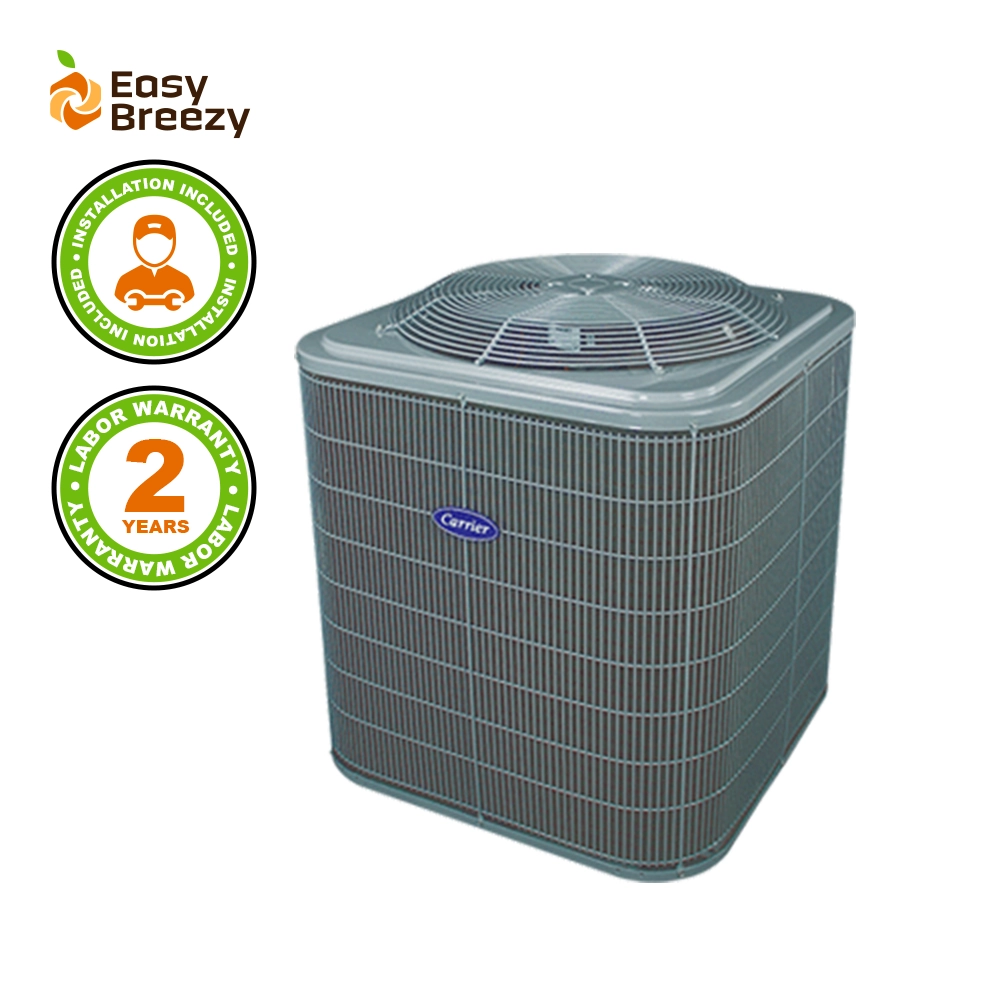
Central air conditioners are a workhorse in Canadian homes. They generate cool air by using refrigerants and electricity, distributing it through a system of ducts. This method, known as forced-air cooling, is efficient, fast, and reliable.

Why Choose a Central Air Conditioner?

  • It can handle extreme heat, even in Canada’s hottest summers.
  • Rapidly cools large spaces.
  • Often works seamlessly with existing furnace ductwork for year-round comfort.

Heat Pumps: A Dual-Use Option

Heat pumps provide both heating and cooling by transferring heat instead of generating it. In the summer, they extract heat from inside your home and release it outside to cool your space.

Pros:

  • Highly energy-efficient, especially for moderate climates
  • Environmentally friendly
  • Can replace both a furnace and an air conditioner

Cons:

  • Higher upfront installation costs than traditional ACs
  • May require a supplemental heating source for extreme winter cold
  • Outdoor unit runs year-round, requiring more frequent maintenance

What Is an Air Conditioner?

The Basics: What Does an Air Conditioner Do?

At its core, an air conditioner is a system designed to cool and dehumidify air and distribute it throughout your home. It circulates cool air via ductwork, making it fast and efficient for immediate comfort.

Get In Touch

Name(Required)
Phone(Required)
Prefered Time to Call

How Does an Air Conditioner Work?

Understanding how an AC operates can demystify its parts and help you troubleshoot issues in the future. Here’s a simplified breakdown:

  1. Thermostat Signals Activation: The thermostat signals the AC to turn on when the temperature rises above your desired setting.
  2. Air Intake: Warm air is drawn into the system through return ducts.
  3. Cooling: The air passes over the cold evaporator coil, where heat and moisture are removed by the refrigerant.
  4. Air Distribution: A blower pushes the cooled air through ducts to your home’s rooms.
  5. Cycle Off: The AC shuts off once your home reaches the target temperature.

Key Air Conditioner Components

To understand how your air conditioner works—or when it might need repair—it helps to know the key parts:

Thermostat

Sets the temperature and controls the system.

Compressor:

Pumps refrigerant between the indoor and outdoor units.

Evaporator Coil:

Absorbs heat and moisture from your indoor air.

Condenser Coil:

Releases the absorbed indoor heat to the outside air.

Blower Motor:

Circulates cool air through the ductwork.

Filters:

Remove dust and debris from the air, ensuring clean circulation.

Types of Air Conditioners

Selecting the right air conditioner involves understanding the pros and cons of each type. Let’s dive into the options:

Central Air Conditioners

Central ACs are the most popular option in Canadian homes with existing ductwork due to their whole-home cooling capability.

How They Work: They use an outdoor compressor and condenser paired with an indoor coil to cool the entire house.

Pros:

  • Cools the entire home evenly and efficiently.
  • Invisible indoor footprint (uses existing ducts).

Cons:

  • Requires existing ductwork.
  • Higher upfront cost than window units.

Ductless Mini-Split ACs

Ductless mini-splits are the perfect solution for homes without ductwork or for cooling specific zones.

Advantages:

  • No ductwork required.
  • Highly efficient and allows room-by-room temperature control.

Drawback:

  • Indoor wall units are visible in each cooled room.

Window Air Conditioners

Window units are self-contained systems placed directly in a window frame.

Why Choose Window ACs?

  • Inexpensive and easy to install yourself.
  • Great for cooling a single, small room.

Downside

They can be noisy, block your window view, and are less secure than central systems.

Portable Air Conditioners

Portable units can be moved from room to room, venting exhaust air out a window through a hose.

Pros:

  • Easy to move and setup anywhere with a window.
  • No permanent installation required.

Cons:

  • Generally less efficient and noisier than other options.
  • Takes up floor space.
Fun Fact
Did you know that the first modern air conditioner was invented in 1902 by Willis Carrier to control humidity in a publishing plant? Modern ACs are far more advanced, but the goal remains: keeping indoor spaces comfortable.

Variable-Speed ACs: The New Standard

A variable-speed AC uses inverter technology to precisely control cooling. Unlike traditional ACs that only run at 100% or 0%, these units adjust their speed to perfectly match your cooling needs.

How Do Variable-Speed ACs Work?

By continuously adjusting the compressor speed, variable-speed systems avoid the constant on-and-off cycling of traditional units. This results in incredibly consistent temperatures and better humidity control.

When Temperatures Are Mild:

The system runs at a lower speed, operating quietly and efficiently to maintain your comfort without drawing excess power. This continuous, low-level operation excels at removing humidity from the air.

When Temperatures Soar (Extreme Heat):

The compressor ramps up to a higher speed to deliver maximum cooling power. Once the target temperature is reached, it scales back down rather than shutting off completely. This seamless modulation ensures your home is always perfectly cooled while keeping energy bills in check.

Shopping Cart
Your cart is currently empty!.

You may check out all the available products and buy some in the shop.

Continue Shopping
Add Order Note
Estimate Shipping