From understanding what makes water heaters tick to choosing the perfect capacity and efficiency, this resource will give you the knowledge to make an informed, confident decision. Along the way, you’ll find practical advice, insider tips, and answers to questions you may not even know you had!
Purchasing a water heater can feel overwhelming, especially when faced with countless brands, technical jargon, and the pressure of ensuring your home has consistent hot water through long Canadian winters. Whether upgrading an outdated water heater, replacing a broken one, or buying your first, this guide will take you step by step through the entire process.
Before diving into specific models, exploring the broader world of water heating systems is worth doing. Each type serves different needs, so understanding them is crucial in deciding which water heater is your best option.
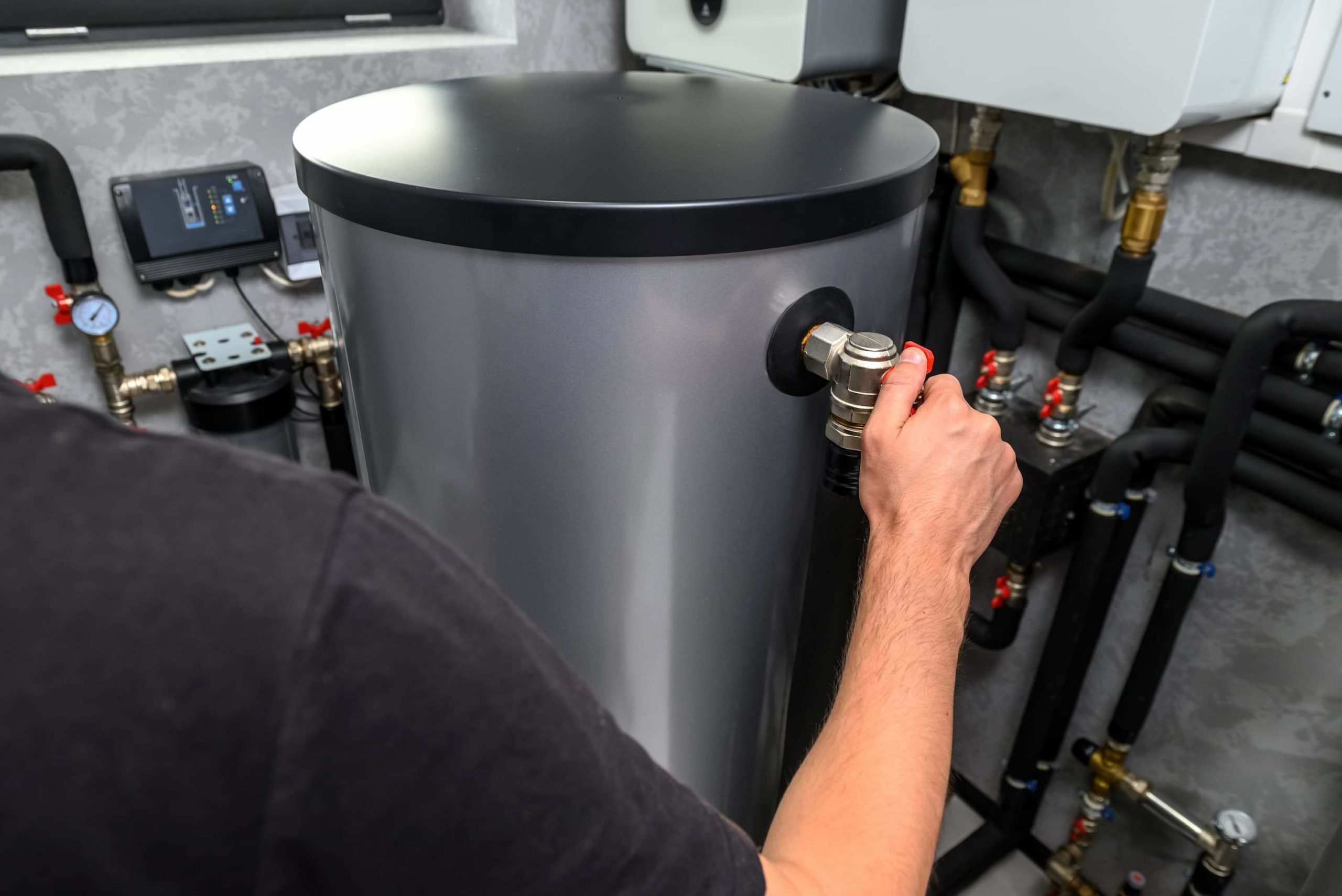
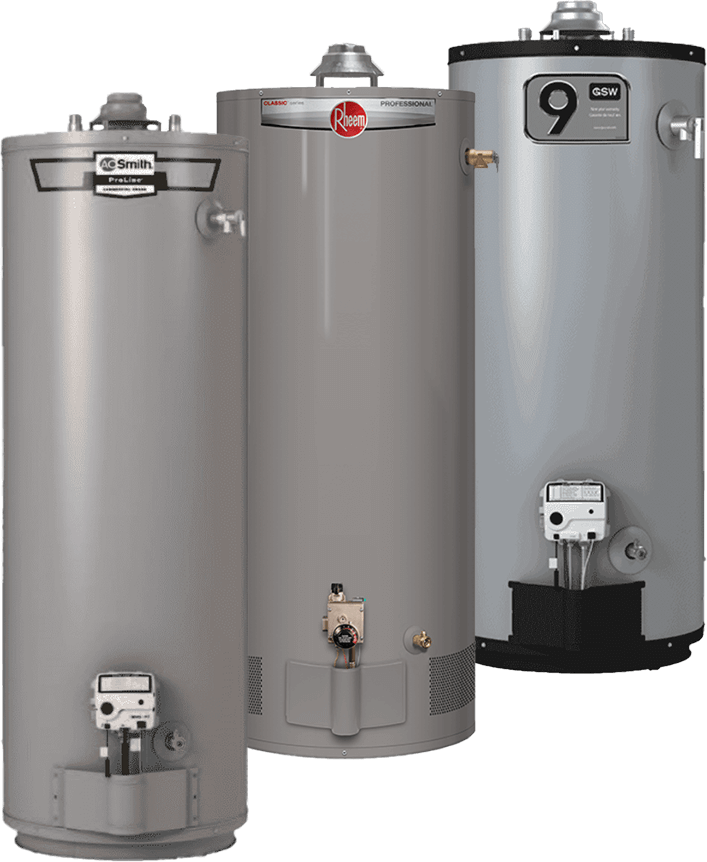
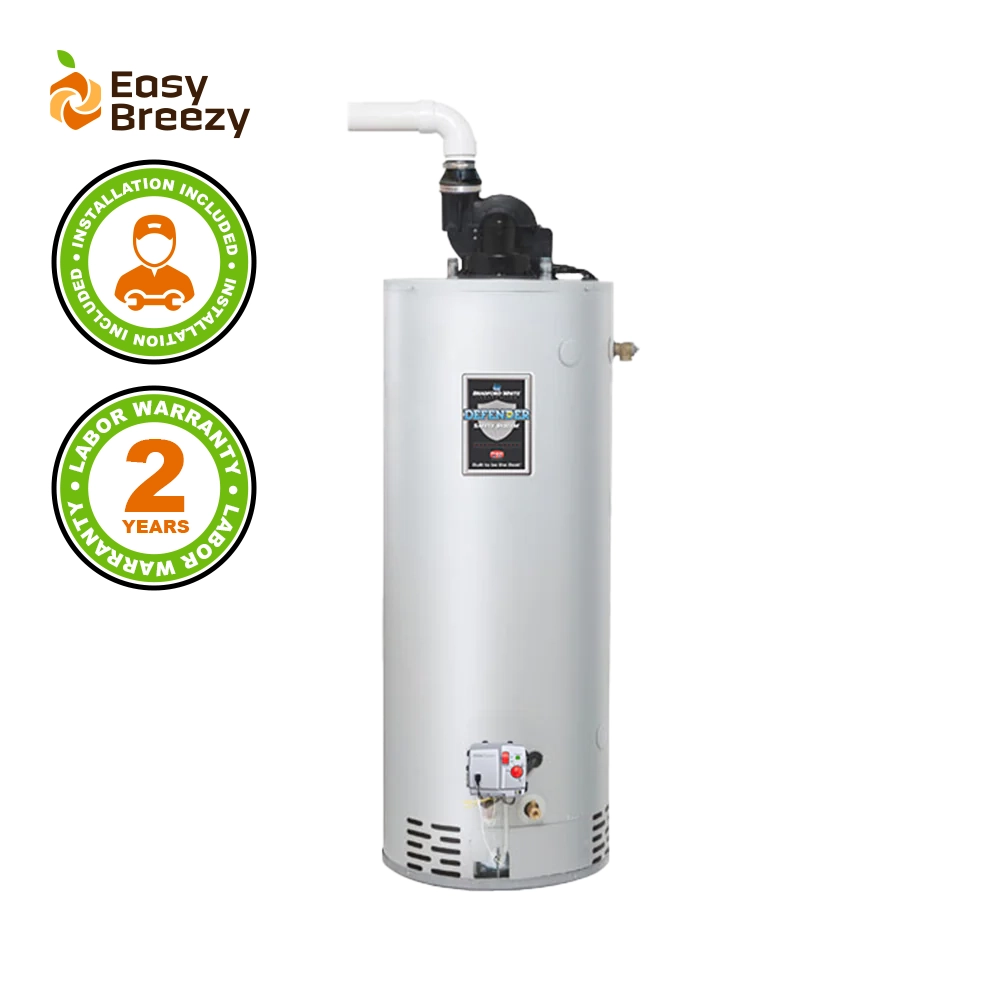
Storage tank water heaters are a workhorse in Canadian homes. They heat and store water in an insulated tank until it's needed, using natural gas, propane, or electricity. This method is reliable, familiar, and provides a large reservoir of hot water ready for immediate use.
Tankless water heaters provide hot water on demand without using a storage tank. They heat water directly as it flows through the unit, ensuring you never run out of hot water.
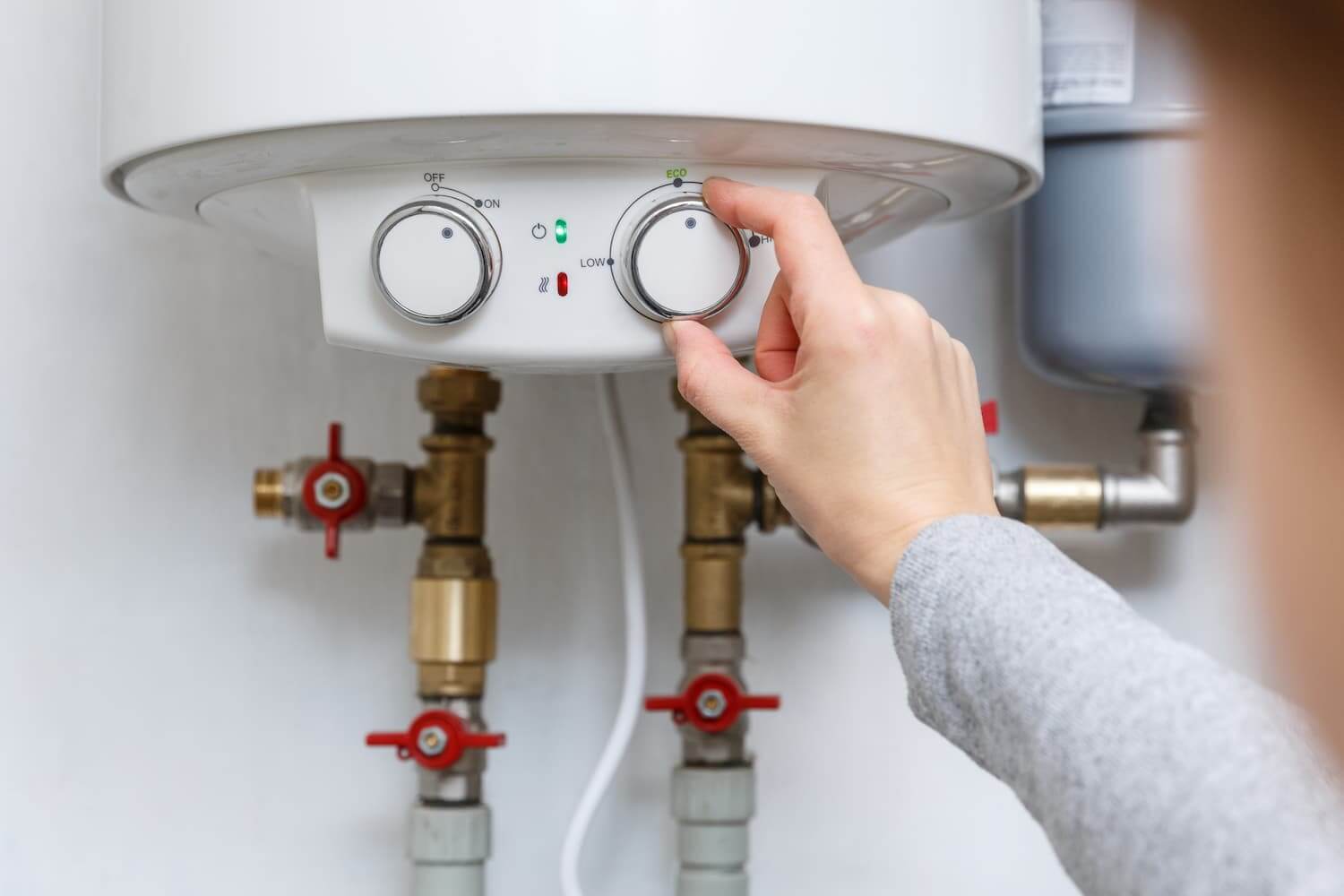
At its core, a water heater is an appliance designed to heat and supply hot water to your plumbing fixtures. Whether storing hot water in a tank or heating it on demand, it ensures you have warm water for bathing, cooking, and cleaning.
Understanding how a conventional tank water heater operates can demystify its parts and help you troubleshoot issues in the future. Here’s a simplified breakdown:
To understand how your water heater works—or when it might need repair—it helps to know the key parts:
Sets the water temperature and controls the heating cycle.
Generates the heat required to warm the water.
Directs incoming cold water to the bottom of the tank.
Protects the tank lining from corrosion by attracting minerals.
Safely releases excess pressure or temperature.
Used to empty the tank for maintenance and sediment flushing.
Selecting the right water heater involves understanding the pros and cons of each fuel and system type. Let’s dive into the options:
Natural gas water heaters are highly popular in Canadian homes due to their fast recovery times and efficiency.
How They Work: A gas burner at the bottom of the tank heats the water, venting combustion gases through a flue.
Electric water heaters use internal heating elements and are known for their simplicity and safety.
Also known as hybrid water heaters, they capture heat from the surrounding air to heat the water.
Higher initial cost and require adequate space for airflow and condensate drainage.
Tankless systems provide endless hot water by heating it directly as it flows through the unit.
Choosing the right size water heater is crucial for your comfort and energy bills. A tank that is too small will leave you with cold showers, while a tank that is too large will waste energy heating water you don't use.
When sizing a tank water heater, you'll need to consider the First Hour Rating (FHR) and the size of your household. For tankless heaters, you look at the flow rate (Gallons Per Minute or GPM).
Consider the number of people in your home. A 1 to 2 person household typically needs a 30-40 gallon tank. A family of 3 to 4 will need a 40-50 gallon tank, while larger families of 5 or more should opt for 50-80 gallons.
Determine the maximum number of hot water devices you want to run simultaneously. Add up their flow rates (e.g., a shower head uses 2.5 GPM, a kitchen sink uses 1.5 GPM). You'll need a unit that can handle the combined demand (e.g., 4.0 GPM) during your home's peak usage.
These are the most common type, storing a ready supply of hot water in a tank. They are generally the most affordable upfront but can experience standby heat loss as they constantly maintain the water temperature.
Tankless systems heat water directly without the use of a storage tank, providing an endless supply of hot water. This leads to significant energy savings since there is no standby heat loss to worry about.
These systems capture heat from the surrounding air and transfer it to the water inside a tank. They use up to 60% less electricity than standard models, making them incredibly environmentally friendly.
Using roof-mounted solar panels, these systems utilize the sun's energy to heat your water, offering massive long-term energy savings in sunny climates and lowering carbon emissions.
Ideal for homes requiring a capacity of more than 55 gallons, these use exhaust gases that would normally be expelled from a home to further heat the water, maximizing overall efficiency.
The cost of a water heater depends on the system type and installation complexity:
While high-efficiency models cost more upfront, their long-term energy savings often offset the initial investment.
While family size and bathroom count provide a general idea, a precise water heater size requires evaluating the First Hour Rating (FHR) or Flow Rate (GPM) by a professional plumber. This calculation evaluates your home’s peak demand based on specific factors, ensuring the unit perfectly matches your requirements.
This calculation ensures you won’t overspend on a water heater that’s too large or suffer cold showers from one that’s too small.
Estimating your water heater size using simple rules of thumb can often fail to account for critical factors like incoming groundwater temperature or your home’s unique plumbing layout. A professional plumber uses precise calculations to determine the exact requirements for your space, leaving no margin for error.
Choosing the right size water heater for your home isn’t just a matter of convenience—it’s essential for energy efficiency, comfort, and the longevity of your plumbing system. The size determines how effectively it can deliver hot water, and getting it wrong means cold showers and wasted money.
Not all water heater brands are created equal, and choosing the right one can make a big difference in reliability, performance, and customer support.

Established in the 1920s, Rheem is a leader in water heating technology. Its extensive product line includes residential and commercial tank, tankless, and hybrid water heaters, recognized for cutting-edge innovation. Rheem models often feature smart built-in Wi-Fi and comprehensive warranties.

A.O. Smith has built a strong reputation for manufacturing premium water heaters over the decades. Its offerings include high-efficiency gas, electric, and tankless units designed for reliable operation. A.O. Smith is highly trusted by plumbing professionals worldwide.

Bradford White is an American-made staple in the plumbing industry, offering rugged, dependable tank and tankless water heaters. Known for their exclusive Hydrojet Total Performance System that reduces sediment buildup, they offer cost-effective and highly durable performance.

Navien specializes in ultra-high efficiency condensing tankless water heaters. They are industry leaders in on-demand water heating technology, offering dual stainless steel heat exchangers for maximum longevity, energy savings, and endless hot water.

Rinnai is a global leader in tankless water heater technology. Rinnai units are famous for their unmatched reliability, compact design, and ability to deliver endless hot water efficiently. They often come with warranties of up to 15 years on the heat exchanger, reflecting the brand’s commitment to quality.
When evaluating water heater brands, consider:
Deciding to repair or replace your water heater often comes from a cost analysis. Here’s a breakdown of typical repair costs versus the investment in a new water heater:
If the cost of repairing your water heater exceeds 50% of the cost of a new system, replacement is the smarter financial choice. For example, spending $800 to repair an aging tank when a new high-efficiency unit costs $1,600 is unlikely to be worth it, especially if your current water heater is nearing the end of its lifespan.
While replacing your water heater may seem daunting, it’s an investment in your home’s comfort, safety, and energy efficiency. An aging water heater can cost you more in repairs, water damage risk, and energy waste than it’s worth, while a modern high-efficiency model will pay off in savings, reliability, and peace of mind.
When in doubt, consult an experienced technician who can guide you through the decision-making process, ensuring you choose the right water heater for your needs and budget. Remember: a well-timed replacement can prevent costly emergency leaks and keep your home supplied with hot water for years.
Contact Easy Breezy HVAC for expert guidance, whether you’re buying a new water heater or troubleshooting your current system. We’re here to help you stay comfortable all year round!
You may check out all the available products and buy some in the shop.
Continue Shopping